World news and discussion on TalkFuse.
Proposed UK-EU food deal could impose millions in withdrawal compensation
Developed over time first seen 2 days ago
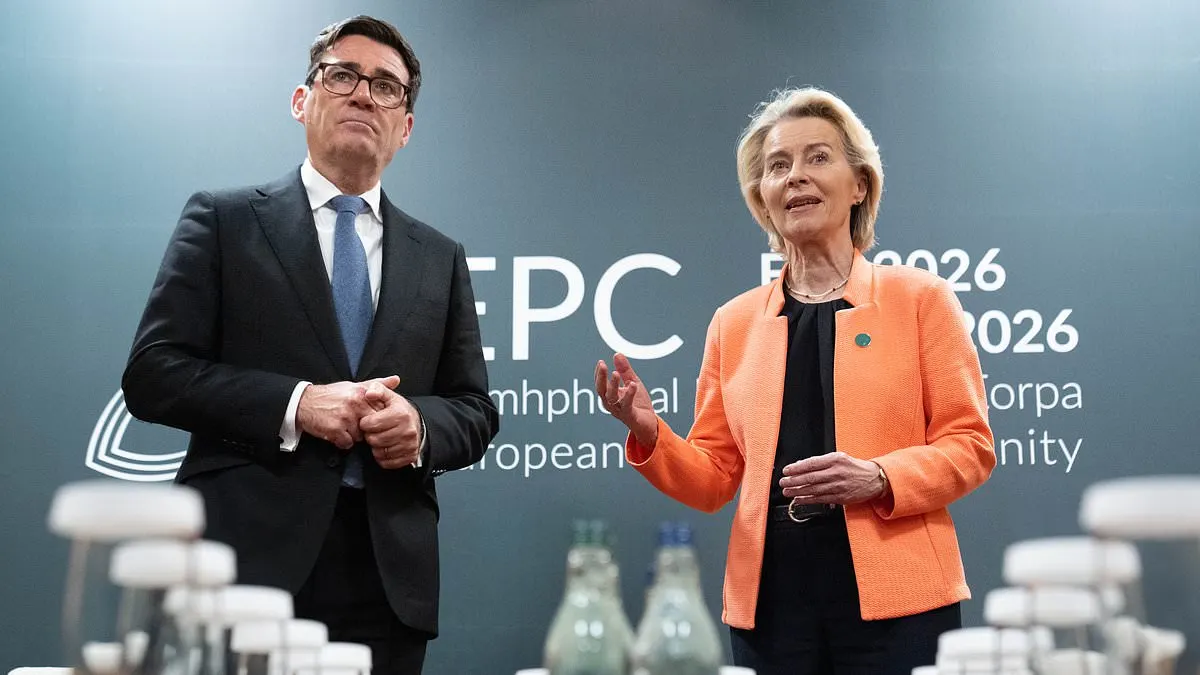
The proposed UK-EU food and agriculture deal may require either side to pay compensation if it withdraws, with payments potentially running into millions of pounds. The clause could make it more costly for a future government to scrap the agreement, which is intended to smooth trade by changing rules and border arrangements.
The UK is due to agree new terms at a Brussels summit on Friday, with concessions on contributions, rules and borders. Europe minister Hamish Falconer said the EU had sought a withdrawal clause but did not confirm whether the UK had accepted it. The Conservatives and Reform have said they would scrap the deal if elected, while Reform says it would refuse to pay compensation; the Government says such clauses are standard in international treaties and apply to both sides.
- Sources
- 2
- Outlets
- 2
- Left · Centre · Right
- 0 · 0 · 2
In short
- Proposed food deal may carry millions in withdrawal compensation.
- The UK has not confirmed whether it accepted the clause.
- Conservatives and Reform say they would scrap the agreement.
How this story developed
- 1 day ago The latest account says compensation could cover the costs of implementing the deal and restoring food checks if either side withdraws.
- 2 days ago Andy Burnham said the agreement must honour Labour’s commitments and bring practical benefits, as reports highlighted that withdrawal from parts of the deal could trigger compensation.
- 2 days ago The proposed UK-EU food and agriculture deal could require either side to pay millions in compensation if it withdraws, potentially deterring a future government from scrapping it.
Steelman: both sides, in good faith
The strongest fair case each way — we don't pick a winner.
The case for
A compensation clause could make the agreement more credible by ensuring that either side bears costs if it withdraws after the other has adapted its systems or invested in easier trade. Supporters could argue that predictable terms would help businesses plan, reduce border friction and secure practical benefits, while still leaving the UK free to leave under agreed conditions.
The case against
A future government could reasonably argue that it should retain the ability to change policy when voters choose a different direction, without facing potentially large payments for ending an agreement. Critics may also see compensation tied to regulatory alignment as weakening the practical freedom to diverge and as an unfair cost to taxpayers if the deal no longer serves the UK’s interests.
Explained simply
The UK left the European Union in 2020, ending its participation in the EU single market and customs union. Since then, trade between Britain and the EU has involved more checks and rules, including for food and farm products.
Andy Burnham is a senior Labour politician, while the Conservatives and Reform UK are opposition parties that have argued for different approaches to the UK’s relationship with Europe. Any new agreement would set terms for cooperation between the UK and EU, including payments, shared rules and arrangements at borders.
The EU and UK have different interests in how an agreement can be changed or ended. The terms matter because they could affect the cost and ease of trade, and shape what choices a future government has over the UK’s relationship with the EU.
Coverage · 2 sources
Bias meters
From 2 rated sources.
Europe Geopolitics Politics UK World
Read the full article at the source →
Originally published by Daily Mail as “Burnham boobytraps his EU ‘reset’: UK ‘will have to pay huge compensation’ if the Tories or Reform take power and scrap new deal to take Brussels rules”.