World news and discussion on TalkFuse.
State Department presses Egypt to respect religious freedom as Christian convert faces possible execution
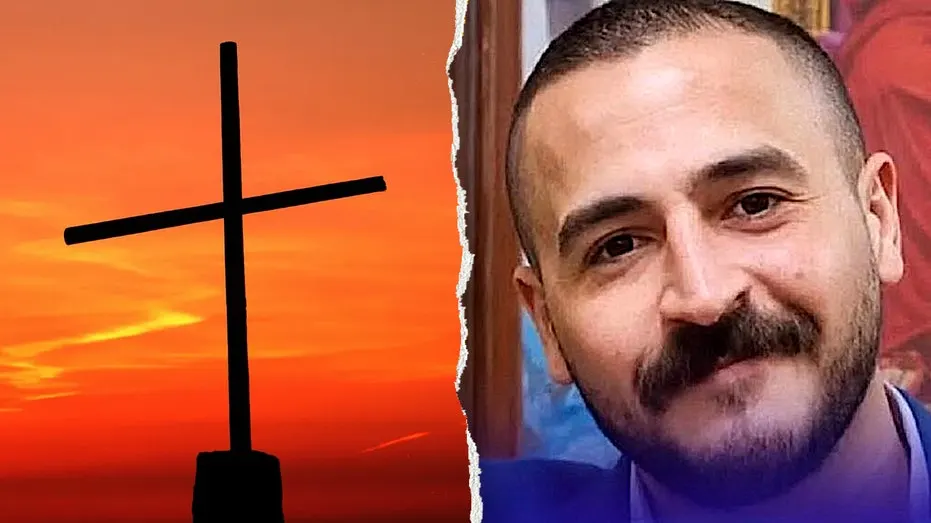
The US State Department says it is closely monitoring the trial of Egyptian Christian convert Said Mansour Rezk Abdelrazek and has urged Egypt to protect the religious freedom of all citizens. His prosecution has drawn attention internationally and is being viewed by advocates as a test of religious freedom and fair-trial standards in Egypt.
Abdelrazek faces a possible death sentence or 25 years in prison. He was arrested in Cairo in July 2025 and, after nine months in pre-trial detention, was sent to a terrorism court on charges linked to his conversion and religious beliefs, including alleged contempt for Islam and joining a banned organisation. Prosecutors sought the maximum penalty in early November; his defence was due to present closing arguments on 8 December, while supporters dispute the terrorism allegation and question the prospect of an impartial hearing.
In short
- The US says it is monitoring Abdelrazek’s trial.
- Prosecutors have sought the maximum penalty.
- His case centres on religious freedom and fair-trial concerns.
Steelman: both sides, in good faith
The strongest fair case each way — we don't pick a winner.
The case for
The case for pressing Egypt is that freedom of religion and fair-trial protections apply to everyone, and prosecuting someone on charges linked to a change of faith risks punishing belief itself. Given the possible death sentence and concerns raised about the terrorism allegation and impartiality, international scrutiny may help ensure the proceedings meet due-process standards.
The case against
Egypt could argue that it is entitled to prosecute genuine offences, including any substantiated links to a banned organisation, under its own laws, and that the charges should be judged on evidence rather than assumed to be religious persecution. It may also regard public pressure from a foreign government as interference in an ongoing trial, while maintaining that domestic courts should determine the case fairly and independently.
Explained simply
Egypt is a predominantly Muslim country where Islam is the state religion, while the constitution also recognises freedom of belief and worship. Changing one’s religion can carry social and legal risks, and accusations involving religion may be handled alongside national security laws.
Said Mansour Rezk Abdelrazek is an Egyptian man who converted to Christianity. He has been charged over alleged offences connected to his conversion and beliefs, including contempt for Islam and links to a banned group; his supporters dispute the accusations.
The case matters because it raises questions about how Egypt balances religious freedom with laws used to address security threats, and whether people accused of such offences receive a fair hearing. The United States has raised religious freedom in its dealings with Egypt, a close partner with longstanding security and diplomatic ties.