Science news and discussion on TalkFuse.
Simple salt substitute could prevent three million deaths a year worldwide, study estimates
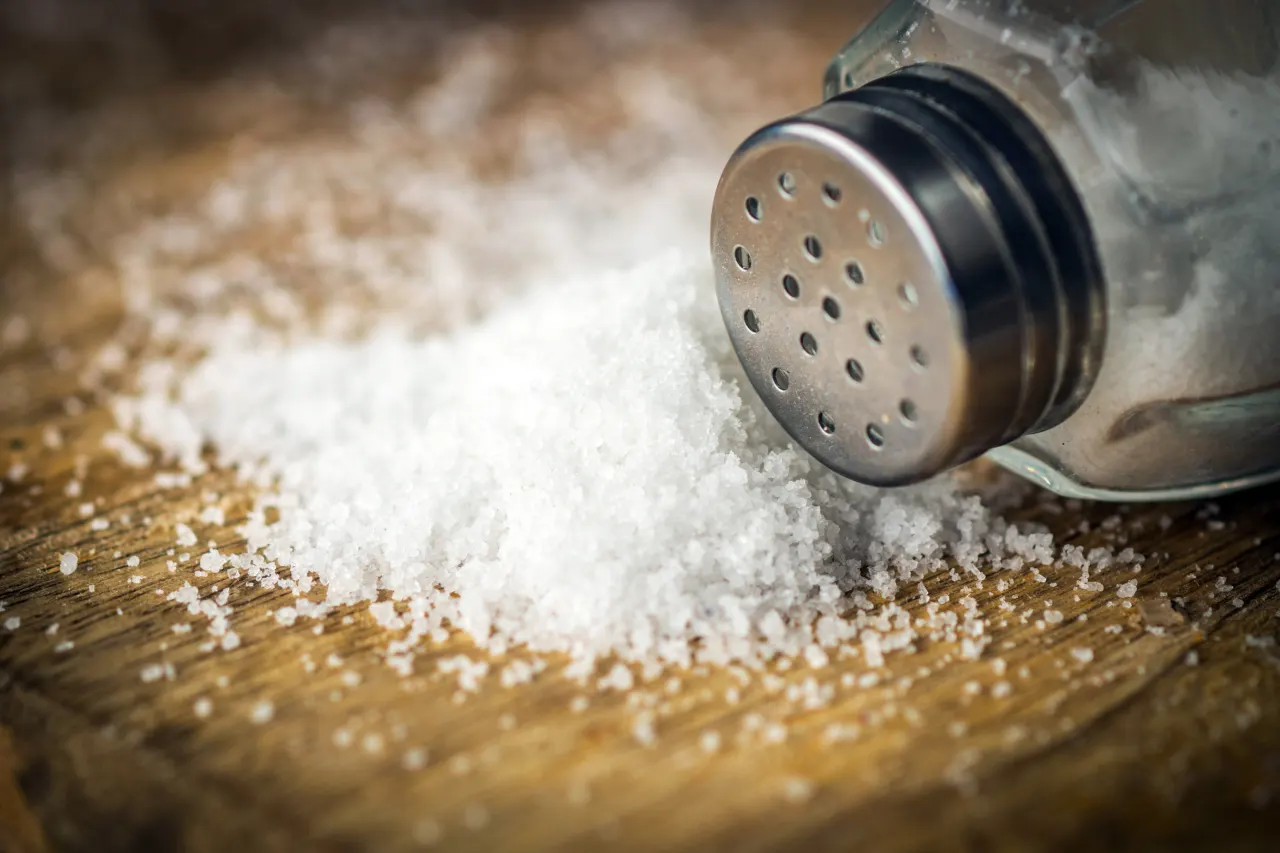
A global modelling study estimates that replacing ordinary table salt with a potassium-enriched alternative could prevent nearly three million deaths each year, as well as millions of new heart and kidney disease cases. The findings suggest a simple change in how food is seasoned could help reduce high blood pressure, a major risk factor for strokes, heart attacks and kidney damage.
Researchers at the George Institute for Global Health modelled dietary patterns and disease risks among 4.6 billion adults in 193 countries; the study was not a clinical trial, and its estimates may vary in accuracy. Full replacement was projected to avert 1.85 million deaths if households switched their cooking and table salt, or 1.56 million if restaurants and processed foods made the change. The largest estimated benefit was in China, at 1.08 million deaths a year. The substitute may be unsafe for people with advanced kidney disease or those taking some medicines, because excess potassium can build up in the blood and disrupt heart rhythms.
In short
- Potassium-enriched salt could avert nearly three million deaths yearly, the model estimates.
- The study analysed dietary risks across 193 countries.
- Some people with kidney disease or taking certain medicines may face risks.
Steelman: both sides, in good faith
The strongest fair case each way — we don't pick a winner.
The case for
A potassium-enriched salt substitute could lower blood pressure at population scale through a simple change to everyday cooking, potentially preventing many strokes, heart attacks and kidney problems. If the study’s estimates are broadly sound, household or food-industry adoption could deliver substantial benefits without requiring people to change their diets radically.
The case against
The projected gains come from modelling, not a global trial, so the number of deaths prevented may be uncertain and could depend on how widely people actually switch. A broad replacement policy may also expose some people, including those with advanced kidney disease or taking certain medicines, to dangerous potassium levels, making careful targeting and safeguards important.
Explained simply
Salt contains sodium, which can raise blood pressure when people consume too much. High blood pressure increases the risk of strokes, heart attacks and kidney damage, and is a major cause of illness and death worldwide.
Potassium-enriched salt substitutes contain less sodium and more potassium than ordinary salt. The George Institute for Global Health researchers used health and dietary data from 193 countries to model what might happen if people switched; their estimates are not results from a clinical trial.
The approach matters because salt is widely used in cooking and in prepared foods, so a change could affect many people. Extra potassium can be dangerous for people with advanced kidney disease or those taking some medicines, as it can build up in the blood and affect the heart.