World news and discussion on TalkFuse.
Car park machine at my local retail park wasn’t working, but I STILL got a £100 fine: DEAN DUNHAM reveals exactly how to challenge an ‘unfair’ parking penalty
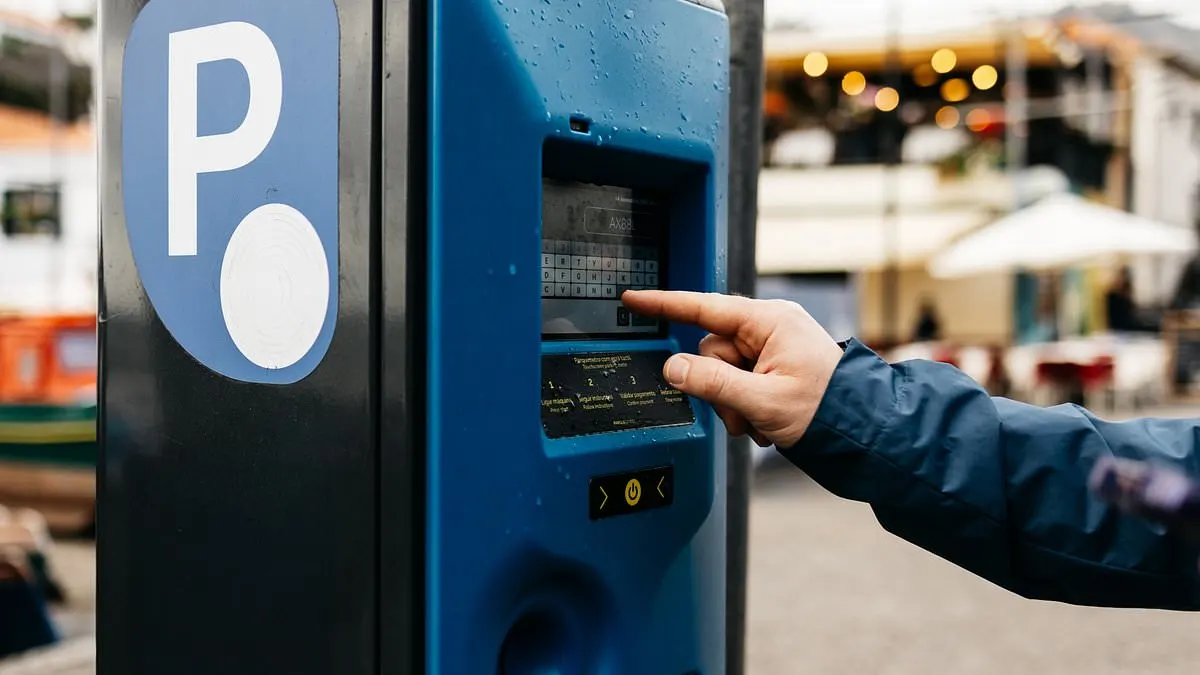
A motorist who received a £100 private parking charge after a retail park payment machine failed may have grounds to appeal. Dean Dunham says the Government’s new Private Parking Code of Practice addresses faulty machines and says charges should be cancelled when machines are out of service and no reasonable alternative payment method is available.
The motorist should check whether the attempted £1.80 card payment went through, then write to the parking operator with evidence and ask about its machine records, maintenance and payment alternatives. If the appeal is rejected, they can use POPLA or the IAS, depending on the operator’s trade association, and cite clauses 6.1 and 19 of the code. The article also answers a separate question about noisy Underground trains, advising affected passengers to seek medical advice and complain to TfL.
In short
- Faulty payment machines may provide grounds to appeal a private parking charge.
- Check the card statement and ask the operator to investigate.
- Underground noise complaints should be raised with TfL; seek medical advice for symptoms.
Steelman: both sides, in good faith
The strongest fair case each way — we don't pick a winner.
The case for
A parking charge may be unfair if the driver tried to pay but the machine was broken and the operator offered no reasonable alternative. Cancelling the charge in those circumstances supports the principle that motorists should not be penalised for a payment system failure beyond their control.
The case against
A charge may be justified if the driver did not pay and a workable alternative was available, or if the attempted card payment failed for reasons unrelated to the machine. Operators also have a legitimate interest in enforcing clear parking terms and managing sites, so the machine’s records and the circumstances of the attempted payment matter.
Explained simply
Private parking charges are issued by companies that manage car parks, including those at retail parks. Drivers may need to pay for parking through a machine or another method provided by the operator; if payment equipment fails, what alternatives were available can become important.
The Government’s Private Parking Code of Practice sets out standards for how operators should manage parking and handle charges. Drivers can first appeal to the operator, then take a rejected appeal to an independent service: POPLA or the IAS, depending on which trade association the operator belongs to. These processes matter because private parking charges are disputes with a company, rather than fines issued by the police or a local council.