World news and discussion on TalkFuse.
Let’s take over the ossified Democratic party and deliver a modern New Deal
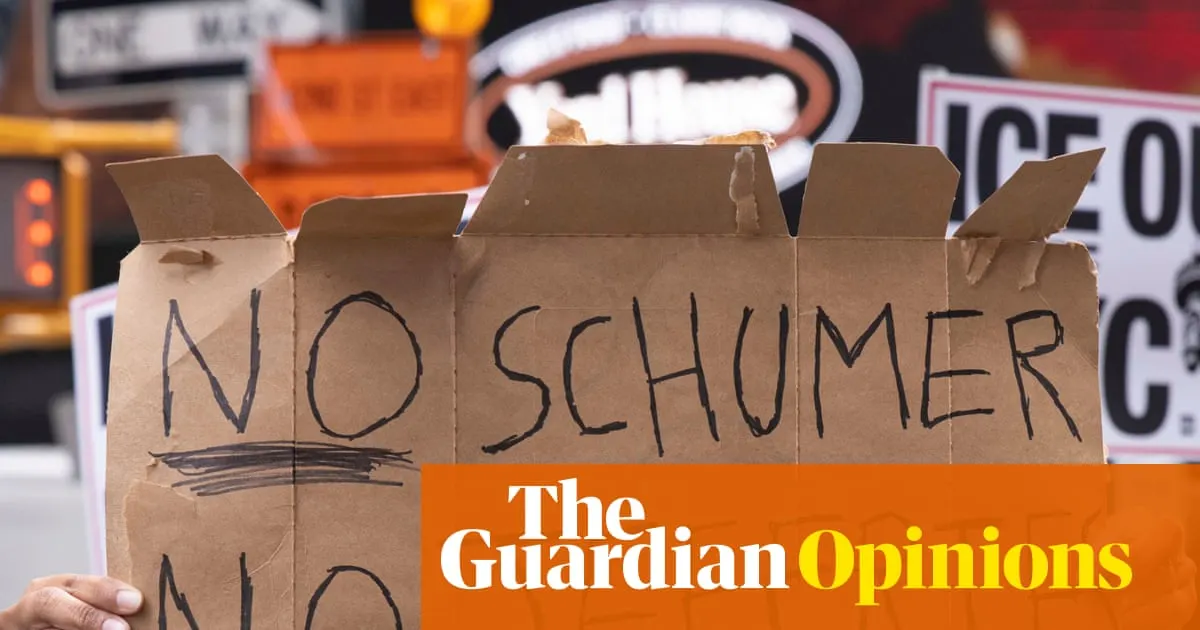
In this opinion piece, Wajahat Ali argues that Democrats should use their midterm gains to reshape the party around progressive, anti-establishment politics and pursue a modern New Deal. He says the results challenge claims that progressive candidates cannot win, while warning that an election victory alone will not secure lasting political change.
Ali cites Abdul El-Sayed’s victory in Michigan as evidence that voters can support policies such as higher wages, limits on billionaire influence and an end to US aid to Israel. He urges grassroots organising and a broad, multicultural coalition built around affordability and accountability, arguing that Democrats should confront corporate donors and focus on economic elites rather than scapegoating marginalised groups.
In short
- Ali calls for progressives to reshape the Democratic Party.
- He presents El-Sayed’s Michigan win as evidence progressives can win.
- He urges a grassroots coalition focused on affordability and accountability.
Steelman: both sides, in good faith
The strongest fair case each way — we don't pick a winner.
The case for
Democrats should use electoral gains to give voters a more affordable and accountable politics, with policies that challenge concentrated wealth and corporate influence. Progressive victories suggest this agenda can attract support, and sustained grassroots organising could build a broad coalition without scapegoating marginalised groups.
The case against
A party-wide shift towards a progressive, anti-establishment programme could alienate voters who prefer more moderate policies or doubt that its proposals are workable. An electoral win by one candidate does not establish that the same platform can succeed nationally, and confronting donors or taking contentious positions could complicate the coalition needed to govern.
Explained simply
The Democratic Party is one of the United States’ two main political parties. Its elected officials range from moderates to progressives, who generally favour a larger role for government in addressing economic and social problems. The party includes national leaders, state-level politicians and local activist groups, which can disagree over policy and strategy.
A “New Deal” refers to the programmes introduced by President Franklin D. Roosevelt in the 1930s to respond to the Great Depression, including public jobs and expanded social support. In current US politics, the term is often used for proposals to tackle issues such as wages, living costs and inequality. Debates over campaign funding and US policy towards Israel are also part of wider arguments about the party’s priorities and sources of influence.
Americas Entertainment Politics TV World