Entertainment news and discussion on TalkFuse.
Yazidi girls abducted as ISIS sex slaves aged 15 reveal horrors they endured: One was raped and tortured by man, 70, for months, another hung upside down and beaten while pregnant
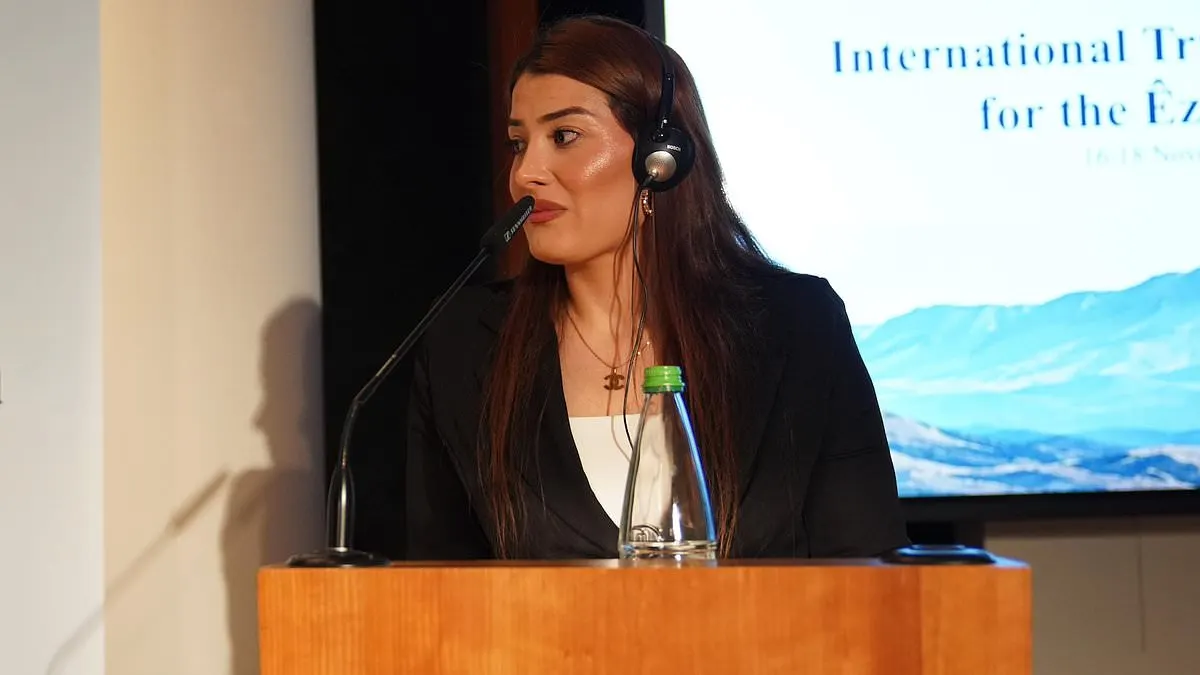
Survivors of Islamic State’s enslavement of Yazidi women and girls have given testimony at a first-of-its-kind Truth Commission in Berlin, seeking justice and answers for their community. Their accounts describe rape, torture, forced sale and trafficking, as well as children taken from families and boys forced to become child soldiers.
Sameera Alsilo says she was abducted from Iraq to Syria at 15, selected by ISIS leader Abu Bakr al-Baghdadi and later passed between fighters who abused her. Another survivor, Ekhlas Bajoo, says she was taken at 14 and repeatedly raped and beaten. The commission brings together around 30 survivors; the article says ISIS killed an estimated 5,000 Yazidis and enslaved about 6,000 after its 2014 campaign, while thousands of families still await news of missing relatives.
In short
- Yazidi survivors testify about ISIS captivity in Berlin.
- Their accounts describe sexual slavery and abuse.
- Thousands of families still await news of missing relatives.
Explained simply
The Yazidis are a religious minority whose historic communities are centred in northern Iraq. In 2014, Islamic State (ISIS), an armed group that seized territory in Iraq and Syria, attacked Yazidi areas, killing thousands and forcing many people from their homes.
ISIS abducted thousands of Yazidi women and girls and subjected them to enslavement, including sexual violence and trafficking. Children were also separated from their families, and some boys were forced to fight. Thousands of relatives are still missing, leaving families seeking news about what happened to them.
The survivors’ accounts form part of efforts to document crimes against the Yazidi community and seek justice. A truth commission is a forum for people to give testimony and establish a record of events; it can also help preserve survivors’ experiences and address unanswered questions.