New releases, music videos and album news — indie, rap, rock and pop. Always covering Ren, Chris Webby, Sam Tompkins, bbno$, CHINCHILLA, Muse, Yungblud and more.
“I could be that way”: the 1989 movie Jodie Foster called “absolutely perfect”
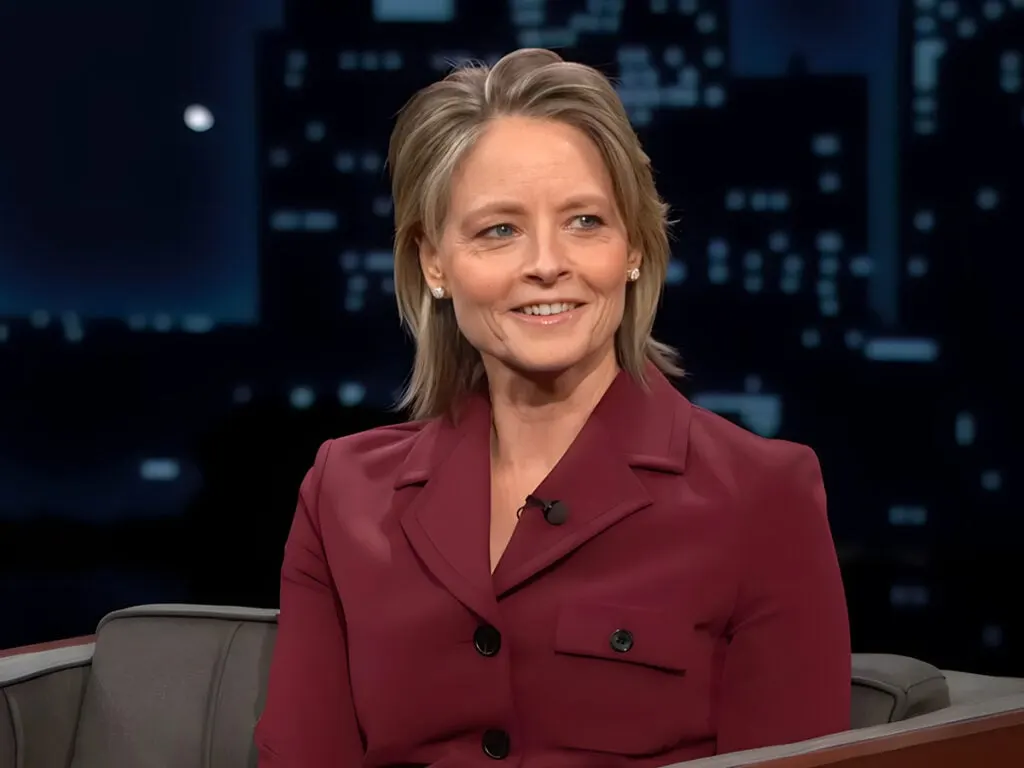
Jodie Foster praised Woody Allen’s *Crimes and Misdemeanours* as an “absolutely perfect screenplay”, saying viewers could recognise themselves even in its characters’ ugliest impulses. Her comments reflect the film’s challenge to audiences to consider their own capacity for wrongdoing, rather than simply judge the people on screen.
The 1989 comedy-drama follows two separate stories: wealthy eye doctor Judah, who arranges his mistress’s murder to protect his marriage and reputation, and struggling documentary maker Cliff, whose personal life unravels. Their stories meet near the end, when Cliff describes a fictional murder plot to Judah and argues for a morally satisfying outcome. Judah, however, escapes punishment and guilt, highlighting the gap between how justice should work and how it can work in practice.
In short
- Foster called the screenplay “absolutely perfect”.
- The film links murder with ordinary personal failings.
- Its ending asks viewers to examine their own morality.
Explained simply
Crimes and Misdemeanours is a 1989 film written and directed by Woody Allen. It follows Judah, a successful eye doctor who tries to protect his marriage and reputation by arranging the murder of his mistress, and Cliff, a struggling documentary maker whose personal life is in trouble.
The two men’s stories meet when Cliff tells Judah about a fictional murder plot and argues that it should end with justice. Judah’s own actions go unpunished, raising questions about how people judge wrongdoing and whether those who do harm always face consequences.