Technology news and discussion on TalkFuse.
Three Manila moments that give Trump momentum going into talks with China
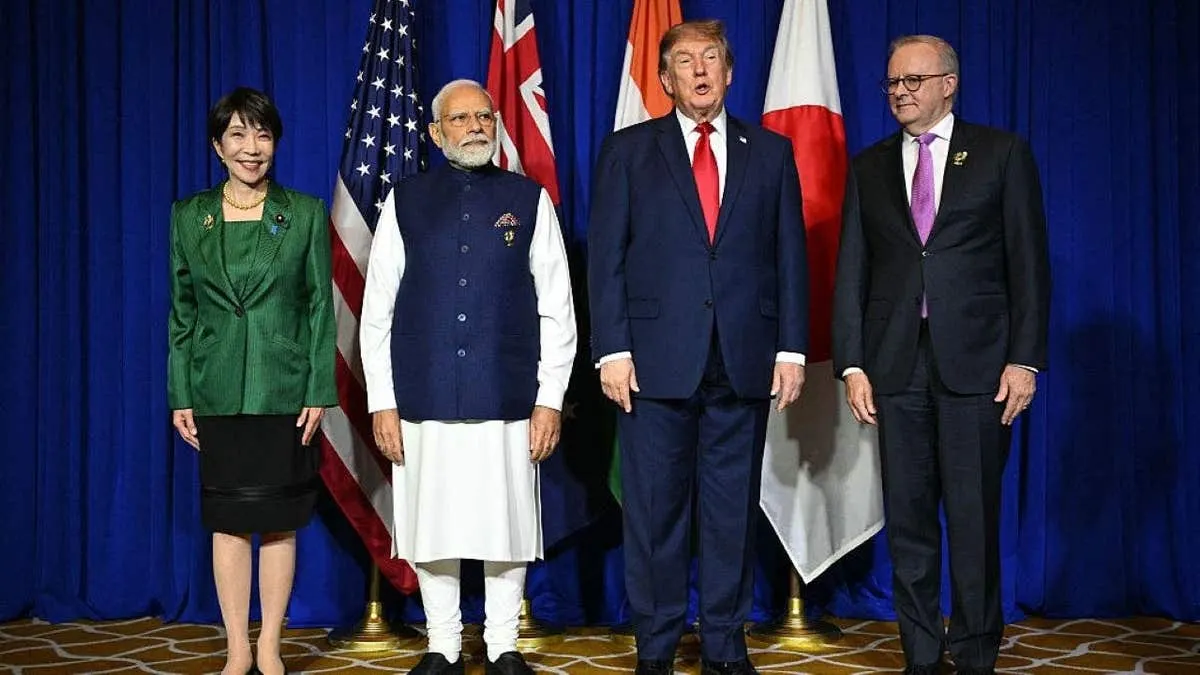
The article argues that Donald Trump’s meetings in Manila with Southeast Asian leaders strengthened his position before talks with China. It says ASEAN countries want reassurance about US support in the Pacific, and that building trade and security ties with them could help counter China’s influence.
It highlights three points: Trump’s cabinet remained prominent, a US–Thailand trade deal is intended to increase Thai purchases of American goods, and a gathering of the Quad countries underscored regional security ties. The article cites the US trade deficit with China falling from $382 billion in 2022 to $202 billion in 2025, and a $71 billion US trade deficit with Thailand in 2025. It then notes Trump was heading to the 21-member APEC forum.
In short
- Manila meetings were presented as a boost before China talks.
- A US–Thailand deal aims to expand Thai purchases of US goods.
- The Quad gathering highlighted security ties in the Indo-Pacific.
Steelman: both sides, in good faith
The strongest fair case each way — we don't pick a winner.
The case for
Trump’s Manila meetings could strengthen US influence before talks with China by reassuring Southeast Asian governments that Washington remains engaged in the region. Visible cabinet participation, a trade deal aimed at increasing Thailand’s purchases of US goods, and Quad security discussions signal practical economic and strategic ties; together, these may give Trump more regional support and bargaining leverage.
The case against
The meetings may offer less leverage than the article suggests: prominent attendance and security gatherings do not necessarily translate into lasting commitments, while a deal focused on Thai purchases may benefit US exporters without resolving broader trade tensions. ASEAN governments have varied interests and may avoid aligning with either power, so stronger US ties with some partners need not amount to a united counterweight to China. The reported trade-deficit figures alone also do not show that Manila’s events changed the balance before the talks.
Explained simply
ASEAN is a group of South-east Asian countries that includes Thailand and the Philippines. Its members have their own relationships with China and the United States, and seek stable trade and security ties with both; US involvement in the Pacific is one part of that regional balance.
The Quad is a partnership between the United States, Japan, India and Australia, focused partly on security in the Indo-Pacific. APEC is a wider forum where 21 economies discuss trade and economic cooperation, including the United States and China.
Trade figures can form part of negotiations because governments use tariffs, purchases and market access to shape economic ties. The United States has a trade deficit with both China and Thailand, meaning it imports more goods from each than it exports; trade and security relationships are among the issues shaping US-China talks.
AI Asia Elections Politics Technology World