World news and discussion on TalkFuse.
French public-sector workers strike again over pay
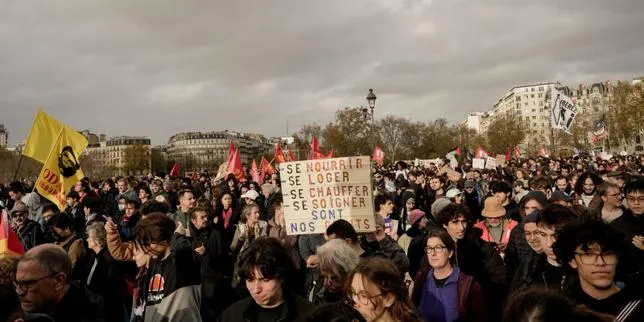
French public-sector workers joined a nationwide strike and demonstrations on 17 November, seeking general pay rises after talks with Prime Minister Sébastien Lecornu failed to satisfy unions. The action adds pressure on the government as it tries to pass a 2027 budget while France faces prolonged social unrest and a cost-of-living squeeze.
The government has offered eight extra index points for the lowest-paid public employees and brought forward a minimum-wage rise to 1 December, but has ruled out a general public-sector increase for a fourth year. Unions say public servants have lost 16% of their purchasing power since 2017. Estimates of the number demonstrating ranged from 146,000, according to the Interior Ministry, to more than 500,000, according to the CGT; turnout was lower in several cities than on 5 November.
In short
- Public-sector workers struck over pay after talks with the government stalled.
- The government offered targeted help but ruled out a general rise.
- Demonstration estimates ranged from 146,000 to more than 500,000.
Steelman: both sides, in good faith
The strongest fair case each way — we don't pick a winner.
The case for
Unions can argue that a general pay rise is needed to restore public servants’ purchasing power after years without one, especially as living costs remain a strain. Targeted help for the lowest-paid may not address losses across the workforce, and fair pay can help public services recruit and retain staff.
The case against
The government can argue that broad increases would add substantial recurring costs while it is trying to pass a budget, and that support should be focused on lower-paid workers through index points and the earlier minimum-wage rise. It may also judge that restraint is necessary to balance public finances and avoid commitments that cannot be sustained.
Explained simply
Public-sector workers in France include staff in schools, hospitals, local councils and government departments. Many are paid on a scale linked to index points, which the government can adjust; unions represent workers in negotiations over pay and conditions.
The government says it has offered extra points to the lowest-paid staff, but has ruled out a general pay rise. Unions argue that pay has not kept up with living costs and say public servants have lost purchasing power since 2017. The dispute matters because strikes can affect public services, while the government is also trying to secure support for its budget.