World news and discussion on TalkFuse.
Iran’s growing aggression reaches European soil
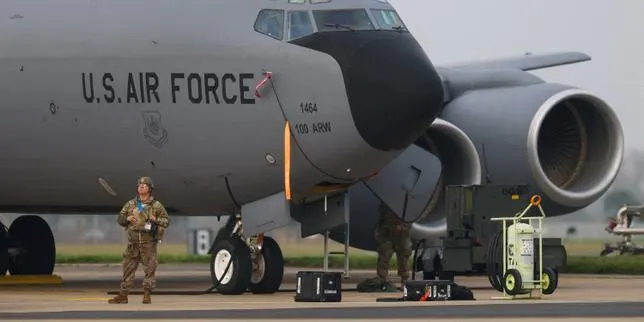
The article describes a series of incidents in Europe that officials and analysts link to a more assertive Iranian strategy, including cyberattacks, spying on dissidents and threats to military bases. Tehran appears to be seeking to raise the costs for European countries that support US operations or take action against Iran.
In France, an October cyberattack altered refrigeration settings at around 700 supermarkets, causing product losses and fires; Iran denies responsibility for the attack, which France attributed to its Revolutionary Guard. The US moved aircraft from British bases after reported threats, while two men in the UK were convicted of spying on Iranian dissidents. Analysts connect the escalation to recent conflict, Iran’s sense of vulnerability, and worsening relations with Europe after sanctions were restored.
In short
- Europe has seen cyberattacks, espionage and threats linked to Iran.
- France blamed Iran’s Revolutionary Guard for a hack affecting 700 supermarkets.
- Tehran aims to deter European support for US actions against Iran.
Steelman: both sides, in good faith
The strongest fair case each way — we don't pick a winner.
The case for
The incidents described could reflect a more assertive Iranian effort to deter European support for US operations and actions against Tehran. Cyberattacks, surveillance and threats can impose costs while allowing pressure to remain below the threshold of open conflict; Iran’s leaders may see this as a response to recent conflict, sanctions and perceived vulnerability.
The case against
Attributing these incidents to a coordinated Iranian strategy requires caution: Iran denies responsibility for the French cyberattack, and officials’ claims and analysts’ interpretations do not by themselves establish who ordered each act or why. European governments can protect dissidents and military sites while avoiding escalation, and sanctions or public accusations based on uncertain evidence could worsen relations without improving security.
Explained simply
Iran’s Revolutionary Guard is a powerful part of the country’s security forces. European officials have linked some cyberattacks and surveillance of Iranian dissidents in Europe to Iranian state activity, though Tehran denies responsibility for some incidents. Dissidents are people who oppose or criticise Iran’s government.
European countries have also faced reported threats to military bases used by the United States. Analysts say Iran may be seeking to deter countries from supporting US operations or taking action against it, particularly as conflict has heightened Tehran’s sense of vulnerability.
Relations between Iran and European governments have worsened, including after sanctions were restored. These tensions matter because cyberattacks, spying and threats can affect public safety and security cooperation, even when responsibility for individual incidents is disputed.
Americas Europe Middle East World