Culture news and discussion on TalkFuse.
Millions of supermarket chickens ‘unsafe for human consumption’ sparking welfare concerns
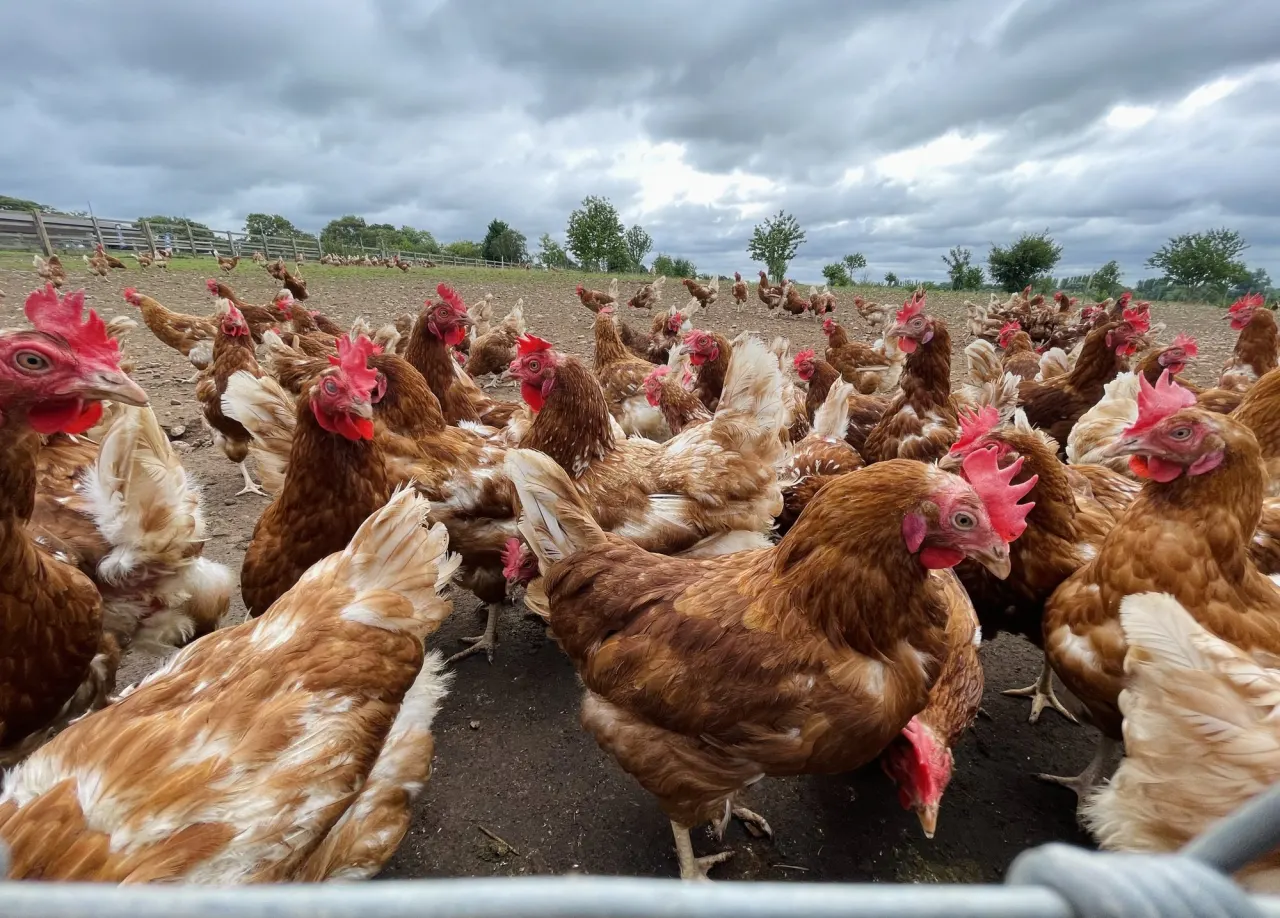
British slaughterhouses rejected 11,246,807 chickens as unfit for human consumption in 2025, according to Defra figures. The findings have renewed concern about chicken welfare, while inspections recorded more welfare warnings even as fewer farms were checked.
Inspectors assessed about 895 million birds, rejecting roughly one in 80. They recorded 3,391 trigger reports, up from 2,872 the previous year, but carried out 102 farm inspections, down from 142; Defra said staff had been diverted to bluetongue and avian influenza outbreaks. About one million birds arrived dead at abattoirs, and an animal welfare charity estimated a further 26 million died before slaughter, while noting the estimate is not a direct count and may overlap with other figures.
In short
- More than 11.2 million chickens were rejected in 2025.
- Welfare warnings rose as farm inspections fell.
- A charity estimates millions more died before slaughter.
Steelman: both sides, in good faith
The strongest fair case each way — we don't pick a winner.
The case for
The figures raise serious concerns about whether intensive poultry systems can reliably protect birds from injury, disease and avoidable deaths. More welfare warnings alongside fewer farm inspections may suggest oversight is not keeping pace with the scale of production, strengthening calls for better conditions and more scrutiny.
The case against
The figures need careful interpretation: abattoirs rejected about one bird in 80, and the charity’s estimate of deaths before slaughter is indirect and may overlap with other counts. Defra said inspections fell because staff were responding to disease outbreaks, so the data alone do not establish that welfare is worsening or that current production practices are the cause; targeted enforcement and disease control may address the problems without broader changes to the system.
Explained simply
Chicken meat sold in Britain comes from birds raised on farms and sent to slaughterhouses, where officials check whether they are fit to enter the food supply. Birds can be rejected for reasons such as illness, injury or poor condition; a rejection does not mean that unsafe meat reached shops.
Defra, the government department responsible for farming, publishes figures on these checks. Inspectors can also issue warnings when they see signs of possible welfare problems, while separate farm visits allow them to assess conditions before birds reach slaughterhouses.
The figures matter because they inform scrutiny of both food safety and how chickens are raised and transported. Counts of rejected or dead birds do not by themselves show why each bird was affected, and estimates of deaths before slaughter may not be directly comparable with inspection totals.
Culture Environment Food Science UK World