Politics news and discussion on TalkFuse.
Liberal Danish PM Rejects ‘Large-Scale Population Replacement,’ Endorses ‘Strong Majority Culture’
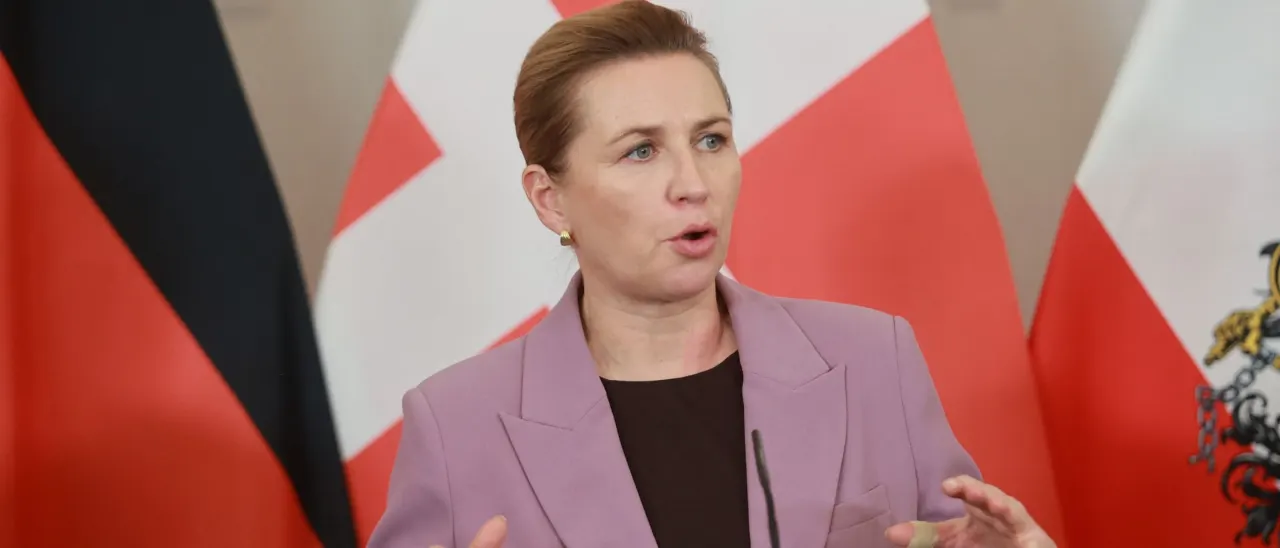
Danish Prime Minister Mette Frederiksen said she opposes what she called large-scale population replacement and supports a strong majority culture in Denmark. Her remarks matter because they link her government’s approach to immigration with questions about national identity and the place of minority cultures.
Asked whether she meant ethnic Danes, Frederiksen described Denmark as a society with ethnic Danish origins, while acknowledging that immigration changes its population. She singled out arrivals from countries grouped in Danish statistics as MENAPT, saying some reject homosexuality and women’s equal rights or want Islamic law above state law. The comments followed her presentation of plans for a migrant return centre in Rwanda; the article also notes that the Southern Poverty Law Center describes demographic replacement concerns as a racist conspiracy narrative.
In short
- Frederiksen opposes large-scale population replacement.
- She backs a strong majority culture in Denmark.
- Her comments followed plans for a migrant return centre in Rwanda.
Steelman: both sides, in good faith
The strongest fair case each way — we don't pick a winner.
The case for
Supporters could argue that a country may set firm limits on immigration and expect newcomers to respect its laws and core civic principles, including equal rights and the authority of democratic institutions. They may see a shared majority culture as helping social trust and integration, and contend that Frederiksen is addressing real disagreements about those principles rather than claiming every migrant holds them.
The case against
Critics could argue that describing demographic change as “population replacement” echoes a racist conspiracy narrative and risks casting immigrants as a threat, regardless of their individual beliefs or conduct. They may also say that defining Denmark through ethnic Danish origins privileges ancestry over equal citizenship, while singling out people from a broad group of countries can stigmatise minorities and distract from enforcing universal laws fairly.