Technology news and discussion on TalkFuse.
South Korea steps up checks to guard against cheating in university exam
Developed over time first seen 1 day ago
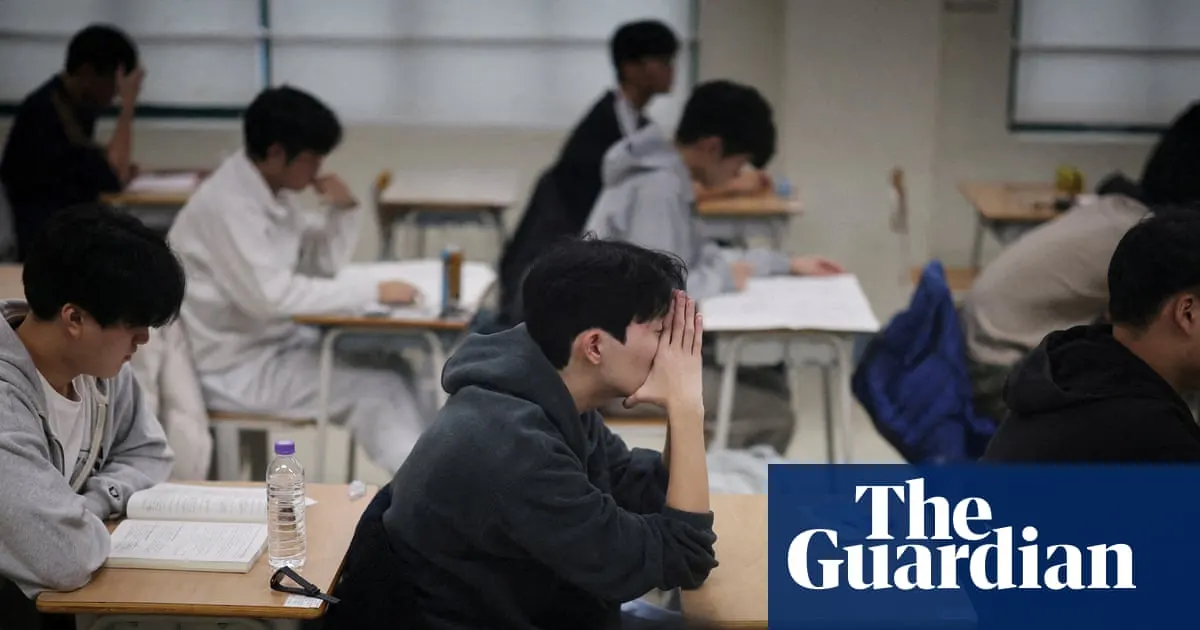
South Korea is tightening checks for its university entrance exam after cheating cases involving smart glasses and miniature cameras in other national tests raised concerns about advanced technology being used to gain an advantage. The measures are intended to detect concealed devices and suspicious communications, while officials are also seeking ways to identify people who use AI to answer questions photographed during exams.
Authorities have assigned about 75,000 supervisors to 1,312 test centres and a further 8,400 personnel to inspect devices, monitor corridors and detect suspicious signals. Students’ glasses will be checked and stickers placed over clothing buttons to deter hidden cameras; police will remain on heightened alert. The government wants to extend the ban on retaking the exam for students caught cheating from one year to 10 years, with serious cases potentially leading to prosecution, and is pursuing legislation to require AI companies to provide records of suspected illegal requests for exam answers.
- Sources
- 2
- Outlets
- 2
- Left · Centre · Right
- 1 · 1 · 0
In short
- South Korea is expanding device checks at university entrance exams.
- About 83,400 staff and personnel are assigned to exam security.
- Cheating penalties could include a 10-year retake ban or prosecution.
How this story developed
- 12 hours ago Prime Minister Han Seong-sook called AI-assisted cheating a “social evil” and ordered agencies to block smart devices, as officials prepared to disable school and nearby public Wi-Fi before Thursday’s exam.
- 18 hours ago A top scorer in a professional accountancy test then admitted using a concealed camera and AI to cheat, sharpening concern ahead of Thursday’s eight-hour exam for more than 500,000 candidates.
- 18 hours ago South Korea announced tighter security for its university entrance exam after cheating cases in other national tests raised fears that hidden cameras and smart glasses could be used to gain an advantage.
Where outlets differ
Left-leaning outlets 1
Only here: steps, checks, guard, university
Centre outlets 1
Only here: emergency, alerts, rewards, fights, high
Every side used: south, korea, cheating, exam
Headline columns compared word for word; nothing in them is AI-written.
Steelman: both sides, in good faith
The strongest fair case each way — we don't pick a winner.
The case for
Stronger checks are a reasonable way to protect fairness in an exam that shapes university access and future prospects for hundreds of thousands of candidates. Collecting devices, adding invigilators and screening for concealed cameras may deter cheating and reassure students that results reflect their own work.
The case against
More intrusive screening and phone alerts may create stress and disruption for candidates already facing a long, high-pressure exam, while checks may still miss newer devices. Disabling nearby Wi-Fi could also impose practical costs, so safeguards should be proportionate and their effectiveness weighed against the burden on students.
Explained simply
South Korea’s university entrance exam, known as the suneung, is a national test taken by school leavers and other applicants. Its results play a major part in deciding which universities students can enter, shaping their later study and career options.
The exam is organised by South Korean education authorities and taken by hundreds of thousands of candidates at centres across the country. Because results carry significant weight, maintaining fair conditions and preventing unauthorised help are central concerns for students, families and universities.
Coverage · 2 sources
Bias meters
From 2 rated sources.
Read the full article at the source →
Originally published by The Guardian as “Sleeve checks and no smartglasses: South Korea races to protect all-important university exams against AI”.