Business news and discussion on TalkFuse.
Hanson blames Albanese government for inflation, rejects Iran war link
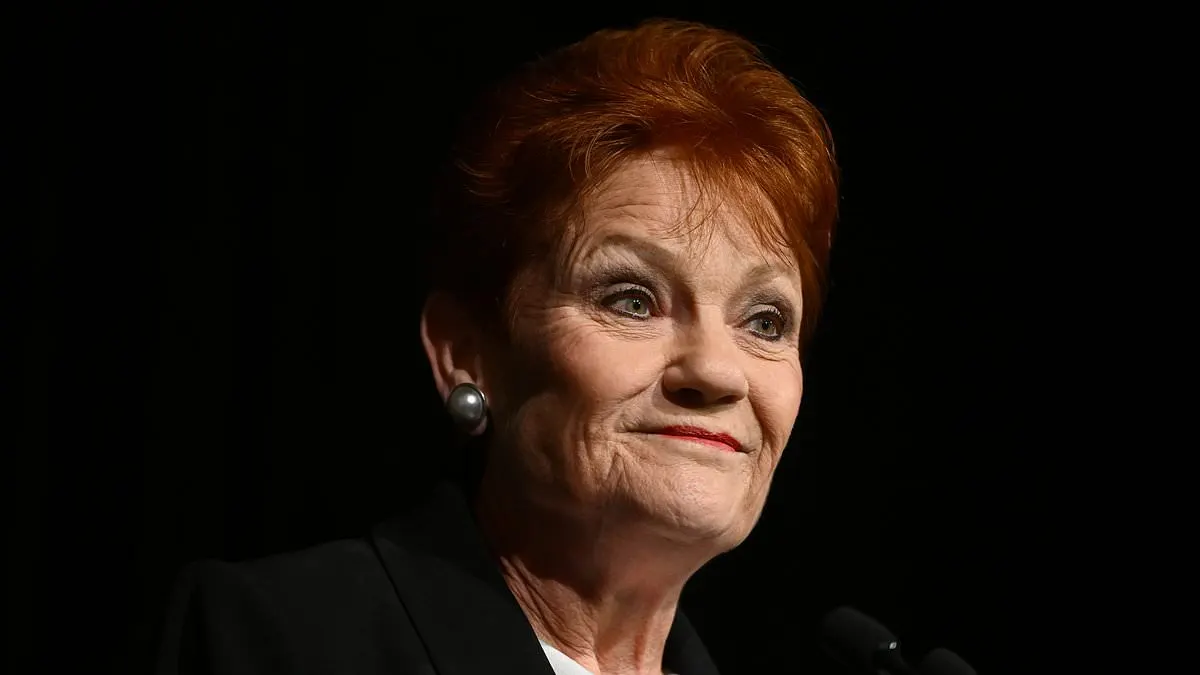
Pauline Hanson has rejected the claim that the Iran conflict caused Australia’s cost-of-living crisis, instead blaming the Albanese government’s economic management and spending for inflation. She declined to say whether Donald Trump should end the conflict, saying the priority was preventing Iran from obtaining nuclear weapons.
Reserve Bank Governor Michele Bullock said inflation was already above target and interest rates were rising before the conflict, but oil price increases had made the situation more difficult. Official figures showed annual inflation reached 4.3 per cent in September, up from 4.0 per cent in August; petrol prices were 23.6 per cent higher than a year earlier. Housing costs rose 5.2 per cent, while federal spending reached 26.9 per cent of GDP in 2025-26. Liberal frontbencher Andrew Hastie accused Hanson of being reluctant to criticise Trump.
In short
- Hanson blames government spending, not the Iran conflict, for Australia’s cost-of-living crisis.
- Bullock says oil price rises have made existing inflation more challenging.
- Annual inflation reached 4.3 per cent in September.
Steelman: both sides, in good faith
The strongest fair case each way — we don't pick a winner.
The case for
Hanson’s case is that inflation was already above the Reserve Bank’s target before the Iran conflict, so Australia’s domestic economic settings deserve scrutiny rather than treating the war as the main cause. She points to government spending and economic management as factors that may have added to price pressures, while arguing that preventing Iran from acquiring nuclear weapons is a central priority.
The case against
The countercase is that the conflict has driven oil prices higher, adding to costs for households and businesses already facing elevated inflation, even if it did not start the problem. The government’s spending and economic choices may be debated, but attributing the crisis chiefly to them risks understating the external shock; critics also argue that prioritising the Iran threat without addressing Trump’s role leaves an important question unanswered.
Explained simply
Australia’s Reserve Bank aims to keep inflation low and stable, and changes interest rates to influence how quickly prices rise. Inflation is the broad increase in prices over time; when it is high, households may find everyday costs harder to manage.
Pauline Hanson leads One Nation, a party that holds seats in federal parliament. The Albanese government, led by Prime Minister Anthony Albanese, makes national budget and spending decisions, while the Reserve Bank operates independently. The Iran conflict has also affected global oil prices, which can feed through to petrol and other costs in Australia.
The debate matters because it concerns what is driving price rises and how responsibility should be judged. It also touches on Australia’s foreign policy and its relationship with the United States.
Business Economy Middle East World
Read the full article at the source →
Originally published by Daily Mail as “Pauline Hanson rejects claims that Trump’s Iran war sparked cost of living crisis – and blames Albanese for inflation”.