Technology news and discussion on TalkFuse.
Spy allegations sharpen US-China tensions over AI chip access
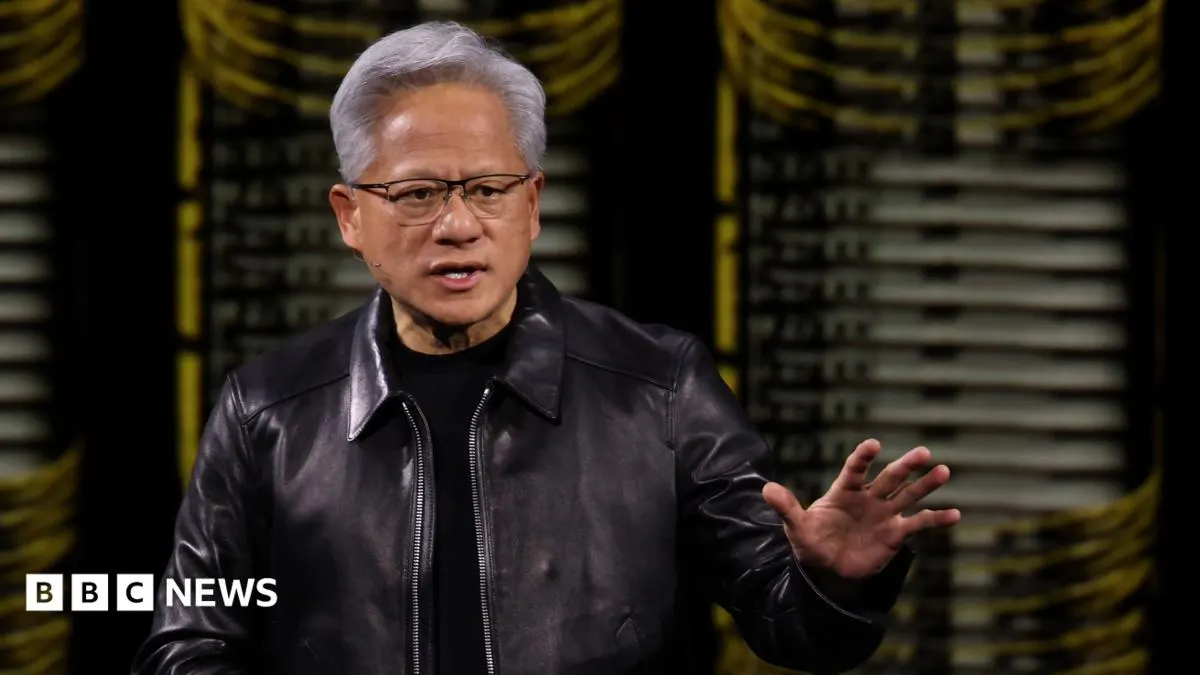
Allegations that a Chinese businesswoman linked to Jensen Huang had ties to Beijing’s intelligence service are adding tension ahead of a meeting between Donald Trump and Xi Jinping. The claims remain unproven, but they are reviving debate in Washington over whether China should face tighter limits on advanced US chips, which are central to AI and military technology.
The issue comes as the Trump administration has introduced restrictions on Chinese firms accessing advanced chips through data centres in countries including Malaysia, Thailand and Brazil. Some firms have also been accused of smuggling chips to China, allegations they deny. Washington permitted sales of Nvidia H200 chips to China in late 2025, but US Democrats have signalled support for tighter controls, while Beijing calls the restrictions economic coercion and rejects the espionage claims as a smear.
In short
- Unproven spy claims are raising the stakes before Trump and Xi meet.
- US rules target Chinese access to advanced chips through third countries.
- The scandal may strengthen calls in Washington for tougher export limits.
Steelman: both sides, in good faith
The strongest fair case each way — we don't pick a winner.
The case for
Tighter limits could reduce the risk that advanced US chips are diverted to Chinese military programmes or used to strengthen capabilities that threaten US security. Supporters may argue that restrictions on access through third countries are needed to make existing controls effective, especially amid allegations of smuggling, while stressing that such allegations should be investigated rather than treated as proven.
The case against
Broad chip restrictions could impede legitimate commerce, slow scientific and commercial innovation, and encourage China to build competing supply chains, while doing little to prevent determined actors from obtaining technology elsewhere. Critics may see controls imposed through third countries as economic coercion that harms firms and partners, and argue that policy should rest on verified evidence rather than unproven espionage claims.
Explained simply
Advanced AI chips are powerful processors used to train artificial intelligence systems and can also support military applications. Nvidia, led by Jensen Huang, is a major chipmaker, while the US government sets rules on whether its most advanced chips can be sold to China.
Washington has restricted some Chinese firms’ access to advanced chips, including through data centres overseas, while allowing certain Nvidia H200 sales to China in late 2025. US officials have also raised concerns about alleged chip smuggling; some accused firms deny wrongdoing.
The US says chip controls address security concerns, while Beijing describes them as economic coercion and rejects the espionage allegations as a smear. The dispute matters because it affects access to technology used in AI and defence, and forms part of wider US-China tensions.
AI Americas Asia Technology World
Read the full article at the source →
Originally published by BBC World as “As Trump and Xi meet, China’s AI dreams face an unexpected hurdle: the Nvidia spy scandal”.