Culture news and discussion on TalkFuse.
‘In the end, nothing happened’: how Reform’s Doge-style crackdown fell flat
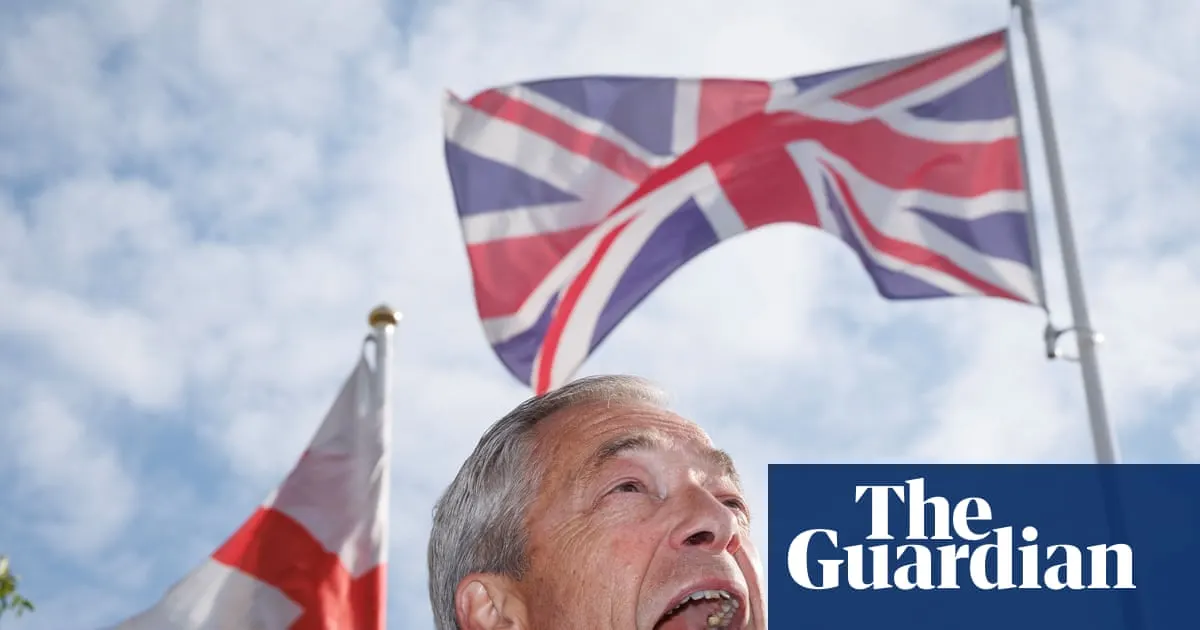
Reform UK’s promised Doge-style drive to cut local government spending has not delivered greater or faster savings than comparable councils, according to research by Public First Global. The findings challenge the party’s pledge to make sweeping changes and suggest its councils have so far made little distinctive progress.
The analysis examined budgets from six Reform-majority county councils and found that only £30m to £44m of their stated £254m in savings amounted to genuine discretionary cuts. That is 12% to 17% of the headline total, a share similar to non-Reform councils; the research also found no declared savings from scrapping net zero or diversity initiatives. Former Reform deputy leader David Taylor said the effort had stalled amid legal obstacles, while researchers cautioned that a fuller assessment must wait for spending figures due in late 2027.
In short
- Reform councils’ savings were not unusually large or fast.
- Only £30m to £44m of £254m was discretionary.
- Researchers say a fuller picture will come in 2027.
Steelman: both sides, in good faith
The strongest fair case each way — we don't pick a winner.
The case for
Supporters of Reform’s approach could argue that local authorities need to scrutinise spending rigorously and that promised savings may take time to emerge, particularly where councils face legal constraints and inherited commitments. The available budgets may not capture later results, so the assessment is provisional until fuller spending figures are published.
The case against
Critics could argue that the early evidence gives little support to Reform’s claim that its councils would make unusually large or rapid savings: most of the headline total appears to consist of savings that were not discretionary, and the proportion resembles that of other councils. The lack of declared savings from the initiatives Reform highlighted also raises doubts about whether its promised distinctive changes have been put into practice.
Explained simply
Reform UK is a political party that won control of several county councils, which provide services such as social care, roads and waste collection. Councils must set budgets for these services and can look for savings, but many costs are tied to legal duties or long-term commitments.
The party promised a drive modelled on the US “Doge” initiative, which sought to reduce government spending. To judge whether such a drive makes a difference, it matters which savings are new, discretionary cuts and which reflect plans councils had already made or costs they are required to meet.
The debate concerns how much freedom councils have to cut spending, and whether Reform-led councils have approached that task differently from others. A fuller comparison depends on actual spending figures, which are not yet available.
Culture Elections Fashion Politics UK World