Business news and discussion on TalkFuse.
Typical British household energy bills forecast to rise 26% from January
Developed over time first seen 1 day ago
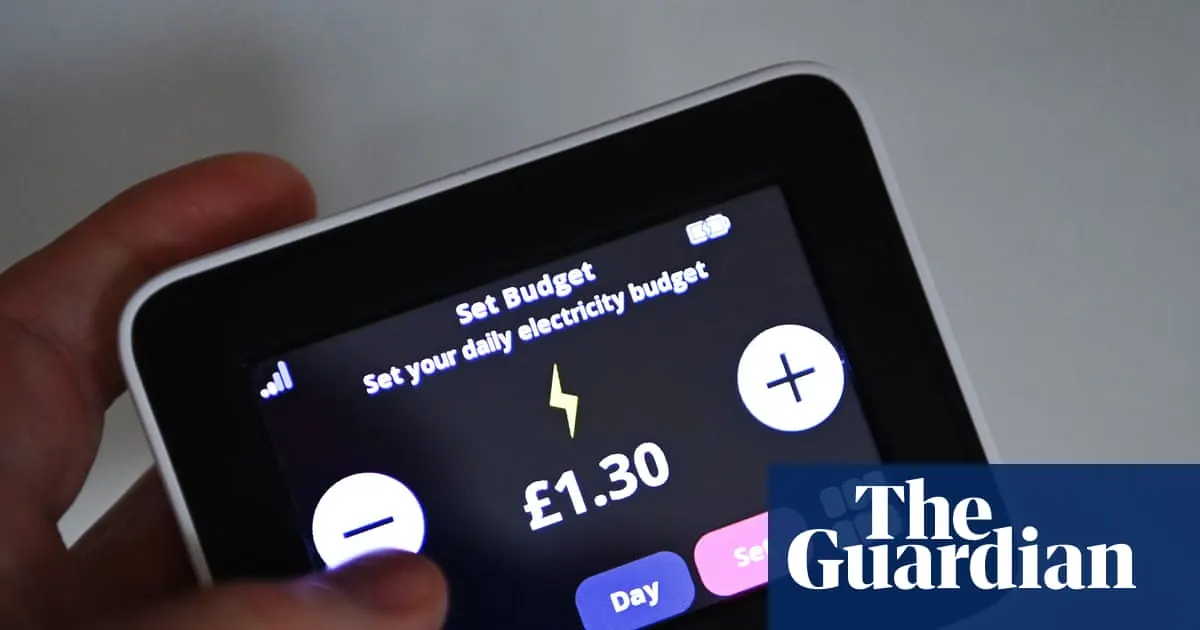
Cornwall Insight predicts that the typical household energy bill in Great Britain will rise by 26% from January, reaching £2,166 a year. The increase would add £443 to the average dual-fuel bill and intensifies pressure on the government to support households facing higher living costs.
The forecast is higher than Cornwall Insight’s late-September estimate of a 16% rise to £1,999, following increased gas market prices linked to conflict in the Middle East and concerns about Europe’s gas storage. Ofgem is due to set the price cap for January to March next Wednesday. Government support includes a one-off £100 payment for 20 million households in council tax bands A to D, alongside the £150 Warm Home Discount for about six million eligible households.
- Sources
- 2
- Outlets
- 1
- Left · Centre · Right
- 2 · 0 · 0
In short
- Typical annual energy bills could reach £2,166 from January.
- The forecast rise adds £443 to the average dual-fuel bill.
- Ofgem will set the January to March price cap next Wednesday.
How this story developed
- 1 day ago Cornwall Insight predicts that the typical household energy bill in Great Britain will rise by 26% from January, reaching £2,166 a year. The increase would add £443 to the average dual-fuel bill and intensifies pressure on the government to support households facing higher living costs.
Full account
A typical household in Great Britain could face an annual gas and electricity bill of £2,166 from January, according to a forecast by Cornwall Insight. That would be a 26% rise in the energy price cap, adding £443 to the annual bill of a household using a typical amount of energy. The figure is a forecast, not the final rate: Ofgem is due to announce the cap for January to March next Wednesday. It also does not mean every household will pay £2,166. Bills depend on energy use and tariff, with consumption often rising during the coldest months.
The forecast has worsened since late September, when Cornwall Insight expected a 16% increase to £1,999. The forecaster attributes the change to higher wholesale gas prices in October, amid the conflict in the Middle East and concern about European gas reserves. The prospect of higher winter bills adds to pressure on household finances. Figures from the Office for National Statistics showed annual inflation rising from 3.5% in September to 3.6% in October, with higher petrol prices and record diesel prices contributing to the increase.
The projected rise also puts renewed pressure on the government after Chancellor John Healey pledged in his recent Budget to bring energy costs down. The measures described in the first report include a £100 payment in January for 20 million households in council tax bands A to D, intended to help with winter costs. It says this would sit alongside a £150 warm home discount for about six million eligible households in England, Wales and Scotland. Those payments could ease the immediate cost for recipients, but the January cap would still reflect the higher prices in the energy market.
A rise in the cap would not affect every customer in the same way. The second report focuses on the choices available to people whose current tariff follows the cap: it says fixed deals on offer could cost up to £407 less than the forecast annual cap for a typical household. That comparison depends on the tariff and the amount of energy used. A fixed tariff generally fixes the rate charged for each unit of energy, rather than the total bill, and some deals charge fees for leaving early. Customers considering a switch can compare their expected costs, including any exit fees, or ask their current supplier whether it offers a cheaper tariff.
Where outlets differ
From the full account, which is AI-written from the sources:
The first report concentrates on the forecast increase, its possible causes and the pressure on the government to support households. The second concentrates on what customers can do about their own bills, particularly comparing or switching tariffs. Both give the same £2,166 forecast, but the second stresses that an individual bill need not rise by 26%.
Steelman: both sides, in good faith
The strongest fair case each way — we don't pick a winner.
The case for
A rise of this scale would put further strain on household budgets, including for people who do not qualify for existing support, so the government has a case for offering broader or greater help. Acting before bills take effect could reduce hardship and give households more certainty during a period of volatile energy prices.
The case against
Public support can cushion the shock, but broad payments would require public funds and may help households that can manage the increase, leaving less for those in greatest need. Targeting assistance at lower-income households, while avoiding commitments that are difficult to sustain, could balance immediate relief with responsible use of taxpayers’ money.
Explained simply
Ofgem sets a price cap that limits how much energy suppliers can charge households in Great Britain for each unit of gas and electricity. It is not a fixed limit on the total bill: the amount people pay also depends on how much energy they use.
Cornwall Insight is an energy consultancy that estimates where the cap may be set before Ofgem announces it. Gas prices on international markets and the amount of gas stored in Europe can affect the cost of supplying energy in Britain.
The government has schemes to help some households with energy costs, including the Warm Home Discount for eligible people and a payment for many homes in council tax bands A to D. Changes in household bills matter because energy is an essential cost, and increases can put pressure on budgets.
Coverage · 2 sources
Bias meters
From 2 rated sources.
Business Economy Government Politics Software Technology UK World
Read the full article at the source →
Originally published by The Guardian as “Energy bills in Great Britain forecast to rise to £2,166 a year from January”.