World news and discussion on TalkFuse.
Burnham and Milburn differ over short-term impact of youth benefits reforms
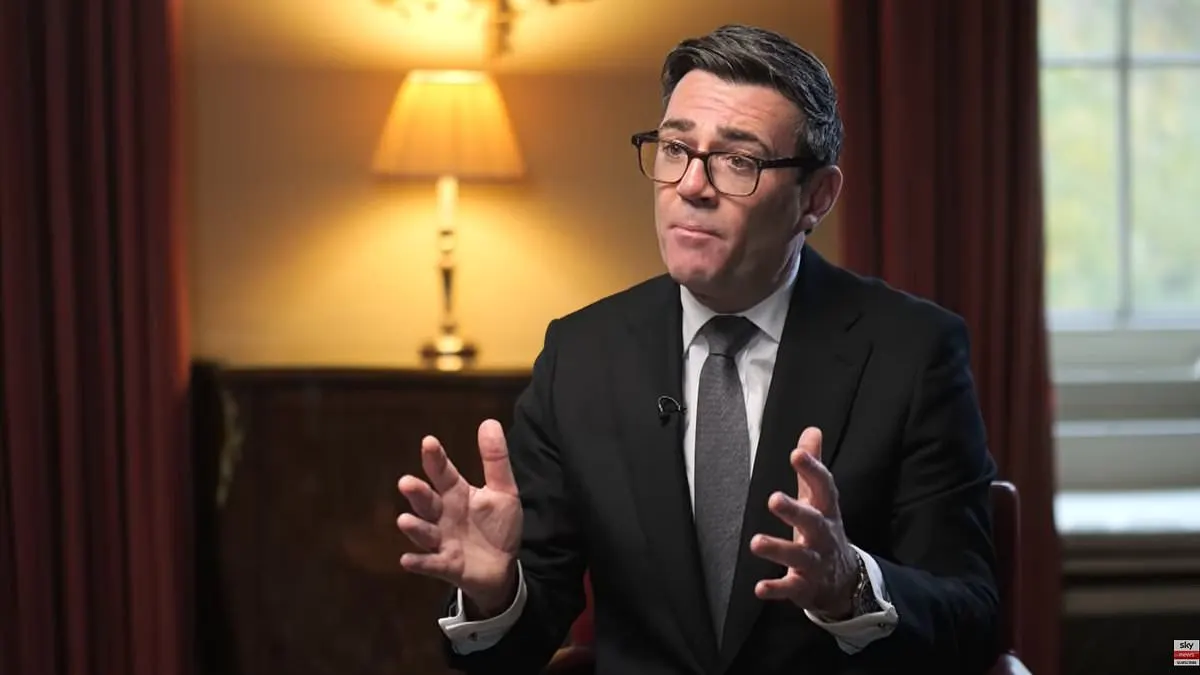
Andy Burnham has said young people would not lose out financially under Alan Milburn’s proposed benefits reforms, but Milburn warned that some could receive less in the short term. The differing statements have added uncertainty around Labour’s plans to reduce the number of young people not in education, employment or training.
Milburn’s 10-year plan aims to halve the share of 16 to 24-year-olds classed as NEET and save £3.6 billion a year by redirecting money towards jobs and training. It proposes a possible youth allowance to replace the health element of Universal Credit and Personal Independence Payment for this age group. Burnham supports extending the plan’s approach to older claimants, while Milburn says reforms for people aged 25 and over need separate proposals.
In short
- Burnham says young people need not lose out financially.
- Milburn says some may receive less in the short term.
- The plan aims to halve youth NEET levels in a decade.
Steelman: both sides, in good faith
The strongest fair case each way — we don't pick a winner.
The case for
Supporters of the reforms could argue that redirecting some benefit spending towards jobs and training may help more young people into work or education and reduce long-term reliance on benefits. If the package is designed to protect overall support while offering practical routes into employment, it could improve prospects as well as deliver savings.
The case against
Critics could argue that replacing existing health-related support with a youth allowance risks leaving some young people with less money in the short term, as Milburn has acknowledged. People whose health limits their ability to work may need reliable support now, and savings targets could undermine that security if suitable jobs or training are not available.
Explained simply
Universal Credit is a means-tested benefit for people on low incomes or out of work, while Personal Independence Payment helps with some extra costs linked to disability. Some young people can receive both, including an additional health-related amount through Universal Credit.
Alan Milburn’s 10-year plan is intended to reduce the number of 16 to 24-year-olds who are not in education, work or training, by shifting more support towards jobs and training. It suggests a possible youth allowance to replace the existing health-related support for this age group, with the aim of reducing benefit spending.
Andy Burnham is mayor of Greater Manchester and a Labour politician; Milburn is leading work on the plan. Their differing views concern whether young people would receive less during the transition, and how far the proposed approach should apply to older claimants.
Read the full article at the source →
Originally published by Daily Mail as “Andy Burnham sparks confusion over Milburn plan for benefits curbs as he says NEETs won’t lose out ‘from a cash point of view’”.