World news and discussion on TalkFuse.
Iran says it struck US installations in Kuwait after Qeshm attack
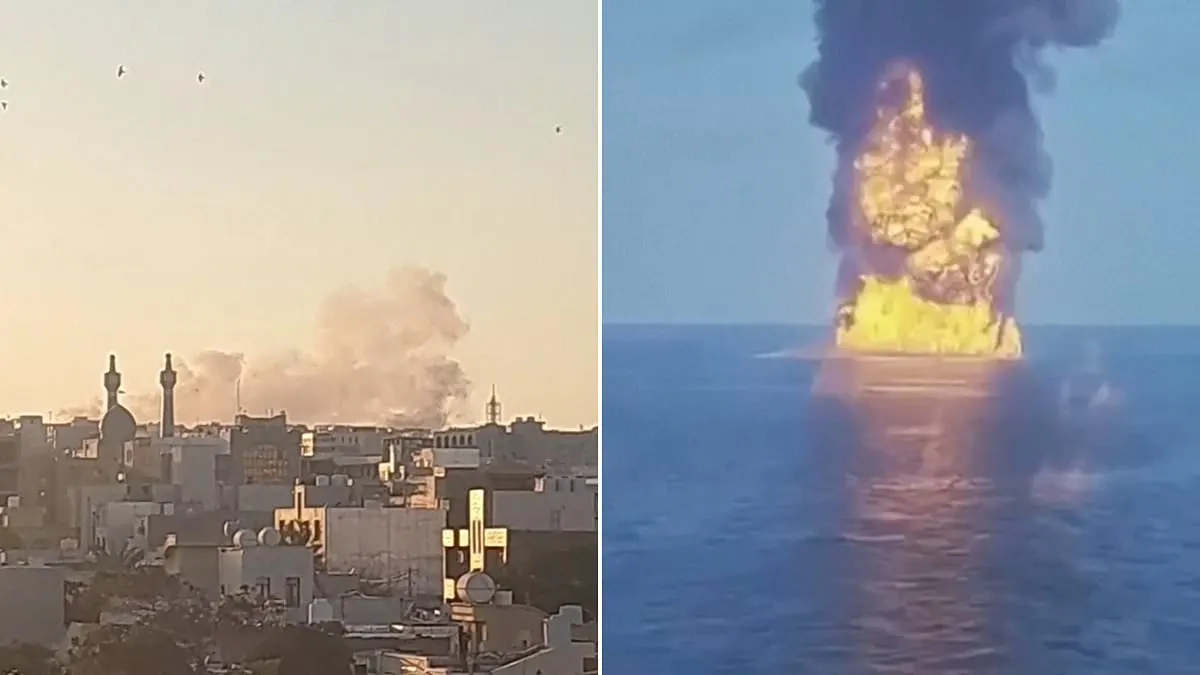
Iran said it attacked US military installations in Kuwait as Gulf states reported intercepting missiles and drones, following a US strike on Iran’s Qeshm Island. The renewed exchanges underline the difficulty of diplomatic efforts to end a conflict that has destabilised the region and disrupted energy markets.
Iran’s army said it targeted drone and missile facilities at Kuwait’s Ali Al Salem base; Bahrain reported intercepting Iranian attacks, while a Saudi-led coalition said it destroyed a Houthi cruise missile aimed at Riyadh. The conflict began with US and Israeli strikes on Iran on 28 February. Talks between Qatari and Iranian officials and a visit by Iran’s foreign minister to Oman focused on diplomacy and shipping through the Strait of Hormuz, which previously carried about a fifth of global energy supplies and is now partly blocked.
In short
- Iran reported attacks on US installations in Kuwait after a US strike on Qeshm Island.
- Gulf states said they intercepted Iranian and Houthi missiles and drones.
- Diplomacy continues as disruption to the Strait of Hormuz threatens energy supplies.
Steelman: both sides, in good faith
The strongest fair case each way — we don't pick a winner.
The case for
Iran could argue that striking US installations in Kuwait was a response to the US attack on Qeshm Island and a means of deterring further strikes. A supporter might say that, amid an active conflict and disrupted diplomacy, Tehran has grounds to defend its forces and signal that attacks on Iran carry costs.
The case against
Critics could argue that expanding attacks to US installations in Kuwait risks drawing neighbouring states further into the conflict and increasing the danger to civilians and regional stability. They might also contend that retaliation undermines talks and worsens disruption to shipping and energy markets, making a negotiated end harder to achieve.
Explained simply
The conflict began on 28 February, when the United States and Israel launched strikes on Iran. Iran has since exchanged attacks with US forces and other countries in the region, while Gulf states have reported intercepting missiles and drones.
The Strait of Hormuz is a narrow sea route between Iran and Oman, used by ships carrying oil and other energy supplies from the Gulf. Before the conflict, about a fifth of the world’s energy supplies passed through it; disruption there can affect shipping and energy markets worldwide.
The United States, Iran and Israel are central to the conflict, while Gulf states such as Kuwait, Bahrain, Qatar and Oman are affected by the fighting and involved in diplomacy. Talks have included efforts to ease tensions and keep shipping through the strait.
Read the full article at the source →
Originally published by Daily Mail as “Iran attacks US bases in the Gulf in retaliation for strike on Qeshm Island as conflict reignites”.