Health news and discussion on TalkFuse.
Mahmood to announce impartiality standard amid policing fairness concerns
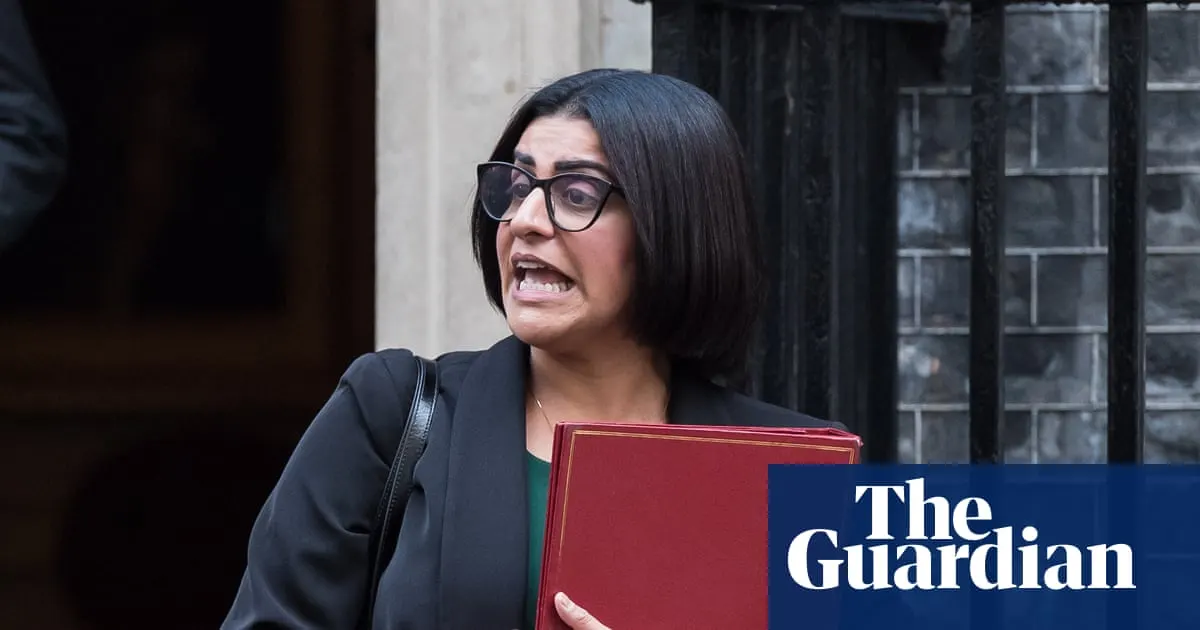
Home Secretary Shabana Mahmood is due to announce plans for a new impartiality standard, aiming to address what she calls a “corrosive and growing perception” of two-tier policing. She will warn that attempts to promote equality can result in differential treatment, and urge officers to avoid political activism, arguing that public confidence depends on fair and even-handed policing.
The College of Policing will develop the standard and consult on it next year. It is intended to bring impartiality guidance together, including advice on symbols worn by officers and attendance at community events. Mahmood’s speech follows renewed criticism after Henry Nowak was handcuffed while fatally injured in December 2025, after his attacker falsely accused him of racial abuse; a poll this year found a third of Britons thought police treated minority ethnic people more favourably, twice the share recorded two years earlier. She will also propose fast-tracking talented recruits into senior roles, while NPCC chair Gavin Stephens said discrimination remains within the police and trust across communities is essential.
In short
- Mahmood will announce a new police impartiality standard.
- Guidance will cover officers’ conduct and community events.
- A poll found one in three Britons perceive favourable treatment of minorities.
Steelman: both sides, in good faith
The strongest fair case each way — we don't pick a winner.
The case for
A clear impartiality standard could help ensure officers treat people consistently and avoid conduct or public signals that reasonably undermine confidence in their neutrality. Bringing existing guidance together may give officers practical direction on symbols and community events, while faster progression for talented recruits could strengthen leadership and public trust.
The case against
A new standard could constrain officers’ engagement with communities or efforts to address unequal treatment, especially if impartiality is defined too narrowly. Since discrimination remains a concern, focusing on perceptions of favouritism risks distracting from the need to investigate unequal outcomes and build trust through fair treatment in practice.
Explained simply
Police in Britain are expected to apply the law fairly, whoever is involved. The Home Secretary is a senior government minister responsible for policing policy, while the College of Policing sets professional guidance for officers and forces.
Debates about impartiality concern how officers handle different communities, public events and political or social symbols. Police leaders and community groups have also raised concerns about discrimination and whether people from different backgrounds trust the police.
Public confidence matters because people are more likely to report crimes and work with officers when they believe they will be treated fairly. Rules on impartiality sit alongside efforts to make police services representative and to address unequal treatment.
Health Medicine Politics Software Technology UK World
Read the full article at the source →
Originally published by The Guardian as “Shabana Mahmood to set out plans to tackle ‘corrosive’ perception of two-tier policing”.