World news and discussion on TalkFuse.
‘Hazara Town’ Review: A Restrained but Deeply Affecting Doc Portrait of an Afghan Refugee Family Living in Limbo
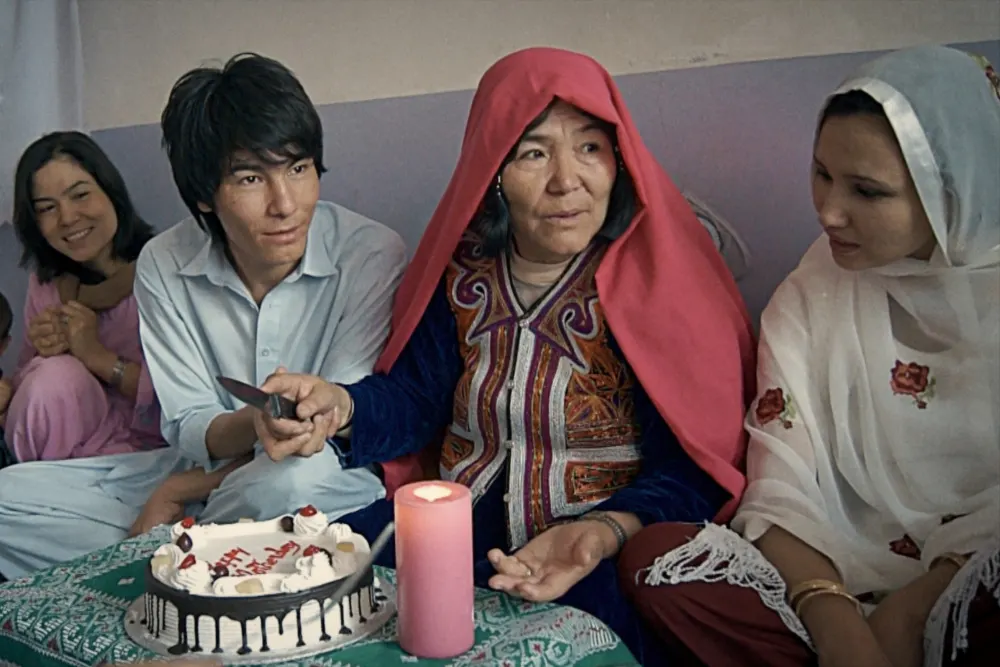
Khadim Dai’s documentary follows his Afghan-born relatives, who are living in Hazara Town, Quetta, while they wait for asylum and the chance to reunite with family abroad. The film shows how daily routines and children’s lives continue amid displacement, uncertainty and danger, bringing personal detail to the prolonged limbo faced by refugees.
Dai centres on his sister-in-law, two young nieces and their grandparents; his brother Hussain has moved to Canada, but the asylum process is slow and selective. The film also depicts insecurity in the Hazara community, including targeted killings, through rising death toll figures and scenes at a cemetery, while tracing the family’s hopes for education and a future in North America.
In short
- A documentary follows an Afghan family waiting in Quetta for asylum.
- The family is separated from a father who has moved to Canada.
- Daily life continues amid uncertainty and danger for the Hazara community.
Explained simply
Hazara Town is an area of Quetta, a city in Pakistan, where many Hazara people live. The Hazaras are an ethnic community with roots in Afghanistan, and some have sought safety across the border amid danger and upheaval.
The film follows Khadim Dai’s relatives as they wait for asylum and the possibility of joining family members abroad. His brother Hussain has moved to Canada, while his sister-in-law, nieces and grandparents remain in Quetta, where the children’s education and family life continue amid uncertainty.
The family’s experience also reflects wider risks for Hazaras in Pakistan, including targeted killings. Their wait matters because asylum decisions can shape whether families stay together and where children can build their futures.