World news and discussion on TalkFuse.
Exclusive: EU proposes additional 45 billion euros for Ukraine, seeks to incentivize allies to step up
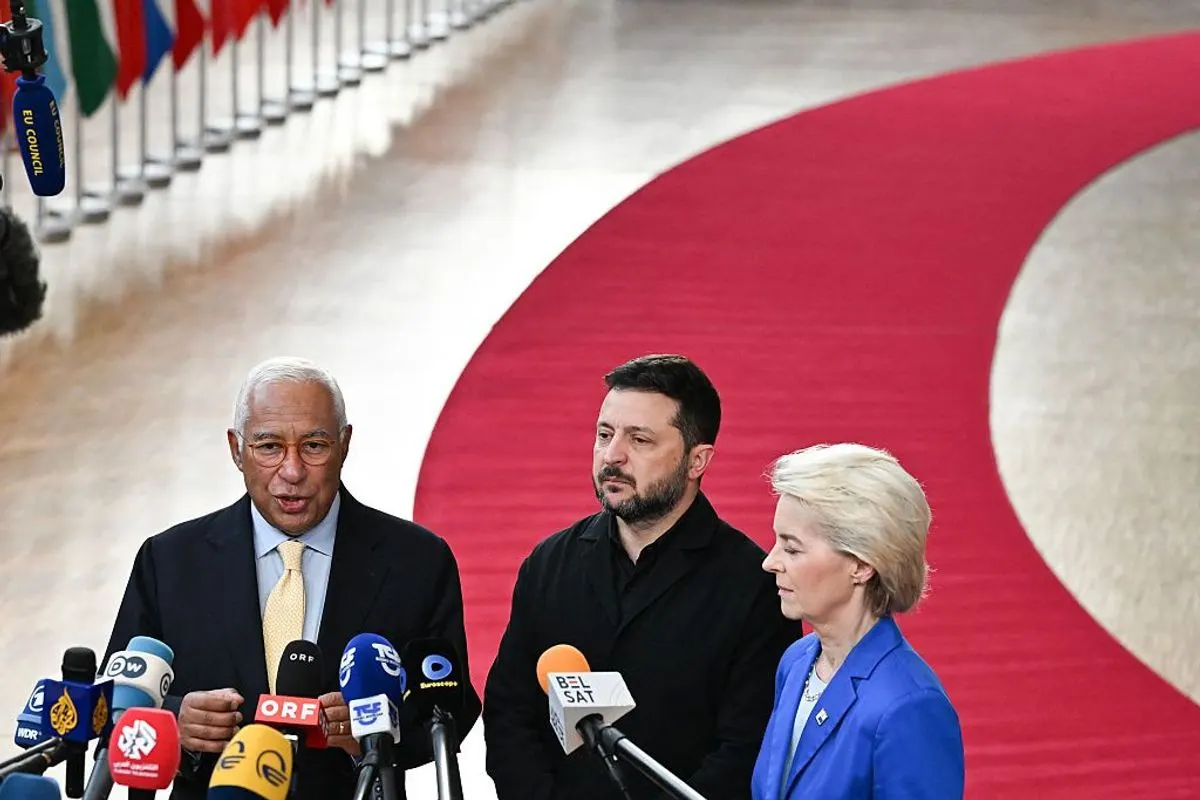
The European Commission plans to propose an additional €45 billion in loans for Ukraine in 2027, alongside legal changes intended to help other countries provide more support. The plan responds to President Volodymyr Zelensky’s warning that Ukraine faces a €70 billion funding shortfall that year, while seeking to encourage allies to help cover needs beyond the EU’s contribution.
Under the draft, Ukraine would repay the loans only after receiving reparations from Russia. Of the €45 billion, €25 billion would support Ukraine’s defence industry, while the remaining €20 billion would be tied to reforms agreed with the EU and IMF. Changes to EU rules could also help unlock €5 billion in guarantees from other countries and support new G7 loans, to be repaid from future revenues linked to frozen Russian state assets.
In short
- The EU proposes €45 billion in additional loans for Ukraine in 2027.
- Most would support defence production; the rest would be linked to reforms.
- Legal changes aim to bring in further funding from allies.
Steelman: both sides, in good faith
The strongest fair case each way — we don't pick a winner.
The case for
The proposal could help Ukraine sustain its defence and public services in 2027, when it expects a substantial funding gap, while conditioning part of the assistance on agreed reforms. Supporters may argue that loans repayable only after Russian reparations reduce pressure on Ukraine’s finances now, and that EU rule changes could mobilise wider allied support and make use of revenues linked to frozen Russian state assets.
The case against
Critics may question whether committing €45 billion in loans is a prudent use of EU resources when repayment depends on reparations that may be uncertain or delayed. They may also argue that tying funds to reforms risks complicating support during a prolonged war, and that using revenues linked to frozen Russian state assets could raise legal and financial concerns while encouraging allies to rely on EU-backed arrangements.
Explained simply
Ukraine has been fighting Russia’s full-scale invasion since 2022, and the war has put heavy demands on its public finances and military. The government needs money to keep public services running, equip its forces and support its domestic defence industry.
The European Commission is the EU’s executive body, which proposes policies and laws for member countries to consider. Ukraine’s president, Volodymyr Zelensky, leads the country, while the International Monetary Fund (IMF) is an international organisation that lends money and advises governments; Ukraine has agreed reforms with both the EU and IMF as part of earlier financial support.
The G7 is a group of seven major advanced economies that coordinates on international issues, including aid to Ukraine. Russia’s state assets have been frozen in several countries since its invasion, and some proposed loans would be repaid using income generated by those assets; the wider question is how Ukraine’s allies can fund its needs and who will bear the cost.