Science news and discussion on TalkFuse.
Venice battles rising seas and overtourism in fight to preserve its way of life
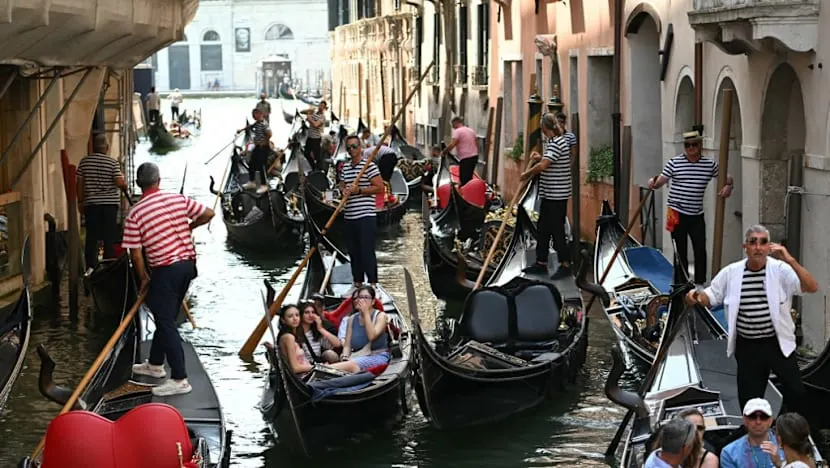
Venice faces two pressures on its future: rising seas threaten its historic buildings, while mass tourism puts strain on residents and infrastructure. The city’s MOSE flood barriers help protect it during extreme high tides, but they are a temporary defence, and the long-term risks are growing as sea levels rise.
MOSE is estimated to give authorities another 50 to 70 years to plan lasting protection, with options including levees, additional barriers or moving to higher ground. Tourism supports jobs and businesses, but boat traffic generates waves that damage buildings, while demand for short-term rentals pushes up housing costs and crowds complicate daily life for residents. Venice is also sharing flood-management experience with other cities facing similar risks.
In short
- MOSE protects Venice during extreme high tides.
- Authorities estimate it buys 50 to 70 years.
- Tourism brings income but strains residents and buildings.
Explained simply
Venice is a historic city in north-east Italy, built across islands in a lagoon linked to the Adriatic Sea. Its low-lying streets and buildings are exposed to high tides, and rising sea levels are expected to increase the risk of flooding.
Italy’s MOSE system uses movable barriers at the lagoon’s entrances to limit flooding during unusually high tides. It offers protection for now, but officials will need to consider longer-term measures as sea levels rise.
Tourism provides work and income, but large visitor numbers also put pressure on housing and public spaces. Boat traffic creates waves that can damage buildings, while short-term rentals can make homes less affordable for residents.
Climate Culture Entertainment Science Travel TV World