World news and discussion on TalkFuse.
Indonesian village offers model for preventing peatland fires, but funding is a challenge
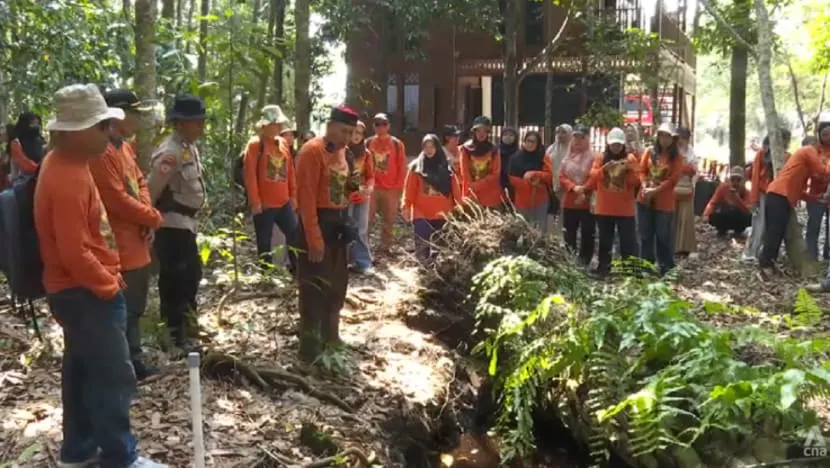
Tanjung Leban, a village in Indonesia’s Riau province, has been named a national pilot site for community-led peatland restoration and fire prevention. After suffering major fires in 2015, it has kept fire damage low during this year’s severe dry season, showing how local knowledge and collaboration can help protect vulnerable peatlands.
The work is centred on Rumah Runding, a meeting place for villagers, researchers and environmental groups, and experimental sites covering 2,400 hectares. Measures include blocking drainage canals to retain water; Indonesia’s regulations set a groundwater threshold of no more than 40 centimetres below the peat surface, though restoration needs to reflect local conditions. Progress is constrained by limited funding, damaged infrastructure and some residents’ concerns that higher water levels could affect plantations.
In short
- Tanjung Leban is a national pilot for community-led peatland restoration.
- The village kept fire damage low during a severe dry season.
- Funding, infrastructure and local concerns threaten progress.
Steelman: both sides, in good faith
The strongest fair case each way — we don't pick a winner.
The case for
The village’s experience suggests that community-led restoration can reduce fire risk by combining local knowledge with practical measures such as retaining water in peatlands. A meeting place for residents, researchers and environmental groups may help build trust and tailor restoration to local conditions, making it a promising model for other vulnerable areas.
The case against
A successful pilot does not by itself show that the approach can be sustained or expanded, particularly when funding is limited and infrastructure is damaged. Residents also have legitimate concerns that raising water levels could affect plantations and livelihoods, so restoration targets need to account for local conditions and the costs borne by communities.
Explained simply
Peatlands are waterlogged landscapes made from partly decayed plants. When drained for farming or plantations, the peat can dry out and catch fire; these fires can burn for long periods and produce smoke that affects nearby communities.
Tanjung Leban is a village in Riau, on the Indonesian island of Sumatra, where major fires in 2015 prompted efforts to restore peatland and reduce fire risk. Villagers, researchers and environmental groups meet at Rumah Runding to share knowledge and plan work, including blocking drainage canals to keep the peat wetter.
Indonesia has rules on how far groundwater should sit below the peat surface, but restoration also has to account for local conditions and residents’ livelihoods. Limited funding, damaged infrastructure and concerns about effects on plantations make it harder to maintain the work.