World news and discussion on TalkFuse.
Epstein’s brother publishes autopsy photographs, reviving scrutiny of death
Developed over time first seen 1 day ago
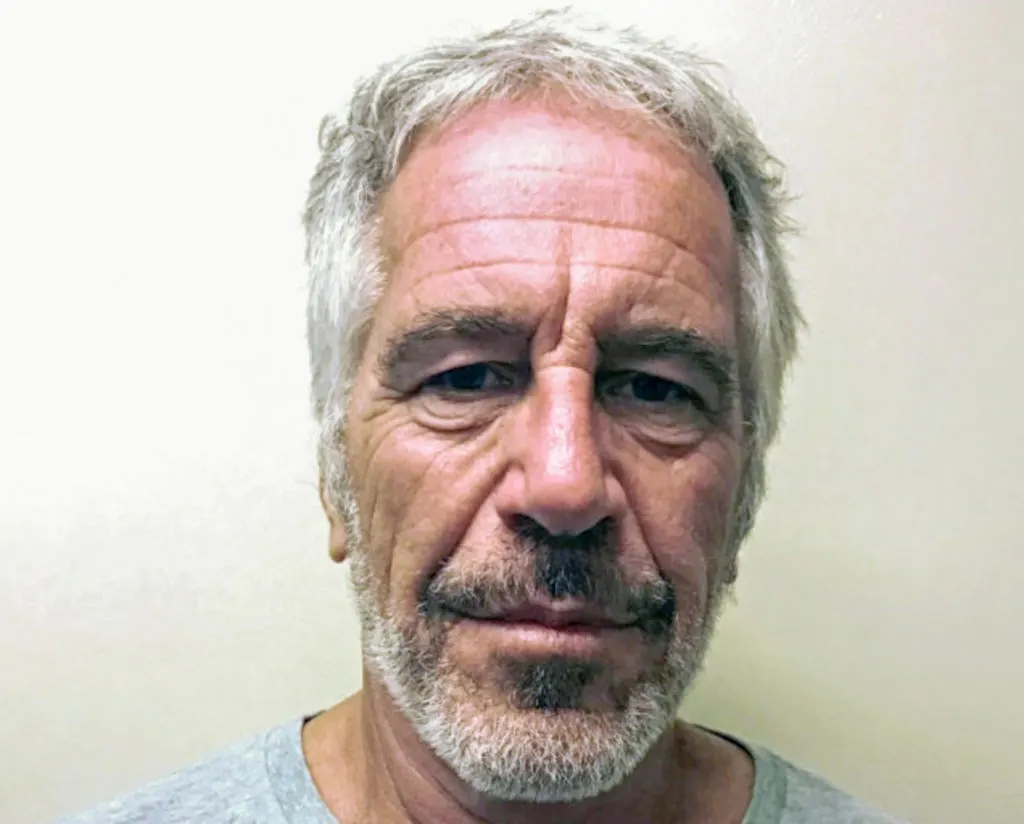
Mark Epstein has published photographs from his brother Jeffrey Epstein’s autopsy, renewing scrutiny of the financier’s 2019 death. Forensic scientist Professor Michael Freeman says marks on Epstein’s neck appear consistent with strangulation and argues the injuries point to homicide, but he did not examine the body and based his assessment on photographs.
Authorities continue to classify Epstein’s death as suicide by hanging, and New York’s medical examiner’s office has reaffirmed that finding. The original medical examiner said the injuries were consistent with hanging and found no defensive wounds. A 2023 US Justice Department inspector general report cited prison staff negligence and failures, including missed checks and nearby cameras that were not working or did not record.
- Sources
- 2
- Outlets
- 2
- Left · Centre · Right
- 0 · 0 · 2
In short
- Mark Epstein released his brother’s autopsy photographs.
- A forensic scientist disputes the suicide finding based on images.
- Authorities continue to classify the death as suicide by hanging.
How this story developed
- 1 day ago Freeman highlighted bruising on the neck and other injuries in the photographs while reiterating that his assessment was based on images; authorities continue to rule the death a suicide by hanging, and a 2023 Justice Department report documented prison staff and camera failures.
- 1 day ago Mark Epstein released photographs from his brother Jeffrey’s autopsy, prompting renewed scrutiny of the financier’s 2019 death as forensic scientist Michael Freeman argued that some images showed neck injuries consistent with strangulation, despite not examining the body.
Steelman: both sides, in good faith
The strongest fair case each way — we don't pick a winner.
The case for
The published photographs and Freeman’s assessment may reasonably prompt scrutiny of the suicide ruling, particularly given the reported neck injuries and serious failures in prison checks and camera coverage. Supporters of further inquiry could argue that an independent review would help establish whether the injuries fit the official account and strengthen public confidence in how the death was investigated.
The case against
The official finding rests on the medical examiner’s examination of the body, who judged the injuries consistent with suicide by hanging, and the New York medical examiner’s office continues to classify the death as suicide. Freeman’s alternative interpretation is based on photographs rather than a direct examination, so it may be less conclusive; prison negligence and camera failures are serious but do not, by themselves, establish that Epstein was killed.
Explained simply
Jeffrey Epstein was a wealthy US financier who was arrested in 2019 on federal sex-trafficking charges. He died in a New York jail cell before his case went to trial. His brother Mark has since made public photographs taken during the autopsy, the examination carried out after death.
The New York medical examiner ruled that Epstein died by suicide by hanging. A forensic scientist who reviewed the photographs has argued that some injuries could indicate strangulation, but he did not examine Epstein’s body. A US Justice Department report also documented serious failures by jail staff and problems with nearby cameras.
The death remains a subject of public scrutiny because the official finding, the disputed interpretation of the photographs and the jail’s failures have prompted questions about what happened. The report on the jail described negligence and security lapses; it did not change the medical examiner’s ruling.
Coverage · 2 sources
Bias meters
From 2 rated sources.
Read the full article at the source →
Originally published by GB News as “Jeffrey Epstein autopsy pictures published by brother after paedophile financier ‘strangled to death in prison’”.