Entertainment news and discussion on TalkFuse.
Inside Scoop: Losin’ Texas, knives out for Hegseth, ’24’ turns 25
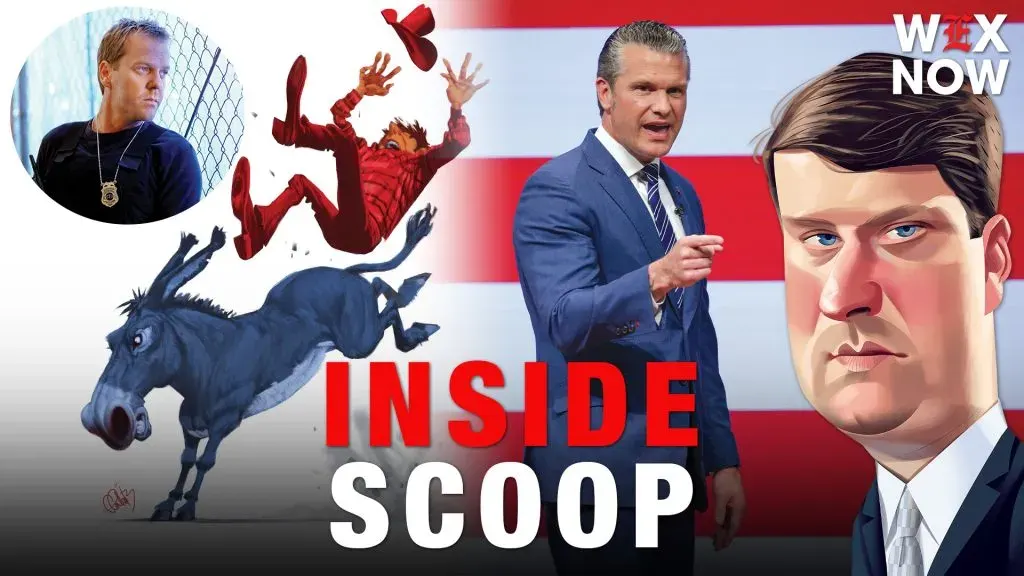
Jim Antle discusses why Texas may be becoming less reliably Republican, saying national concerns such as the Iran war, tariffs, affordability and corruption combined with local issues. The shift matters because losing Texas could make it much harder for a Republican presidential candidate to reach the 270 electoral votes needed to win.
Antle points to voters’ concerns about school funding and rural opposition to expanding data centres, and says state Republicans were slow to respond. The episode also covers an article defending War Secretary Pete Hegseth amid criticism from both parties and speculation about his future, as well as the television series *24*, which film critic Graham Hillard describes as a conservative response to *The West Wing*.
In short
- Texas voters’ local concerns may be adding to Republicans’ national challenges.
- Losing Texas could complicate Republicans’ path to 270 electoral votes.
- The episode also examines Pete Hegseth and the legacy of *24*.
Steelman: both sides, in good faith
The strongest fair case each way — we don't pick a winner.
The case for
Texas Republicans have reason to worry that national dissatisfaction over the Iran war, tariffs, living costs and corruption is combining with local concerns about school funding and data centres. If the party responds too slowly, voters who have usually backed Republicans may be more open to change, with major consequences for the party’s presidential prospects. Hegseth’s defenders may likewise argue that criticism from both parties does not by itself settle whether he should remain in office.
The case against
The reported concerns do not establish that Texas is undergoing a lasting partisan realignment: local disputes can be addressed, and national dissatisfaction may not translate into changed votes. Republicans may still have time to respond and retain enough support to remain competitive in the state. On Hegseth, critics may argue that bipartisan scrutiny and questions about his future warrant serious accountability rather than being dismissed as political opposition.
Celebrity Entertainment Environment Politics Science