World news and discussion on TalkFuse.
‘World’s most endangered tribe’ makes rare contact with Brazilian workers looking help in ‘troubling’ sign
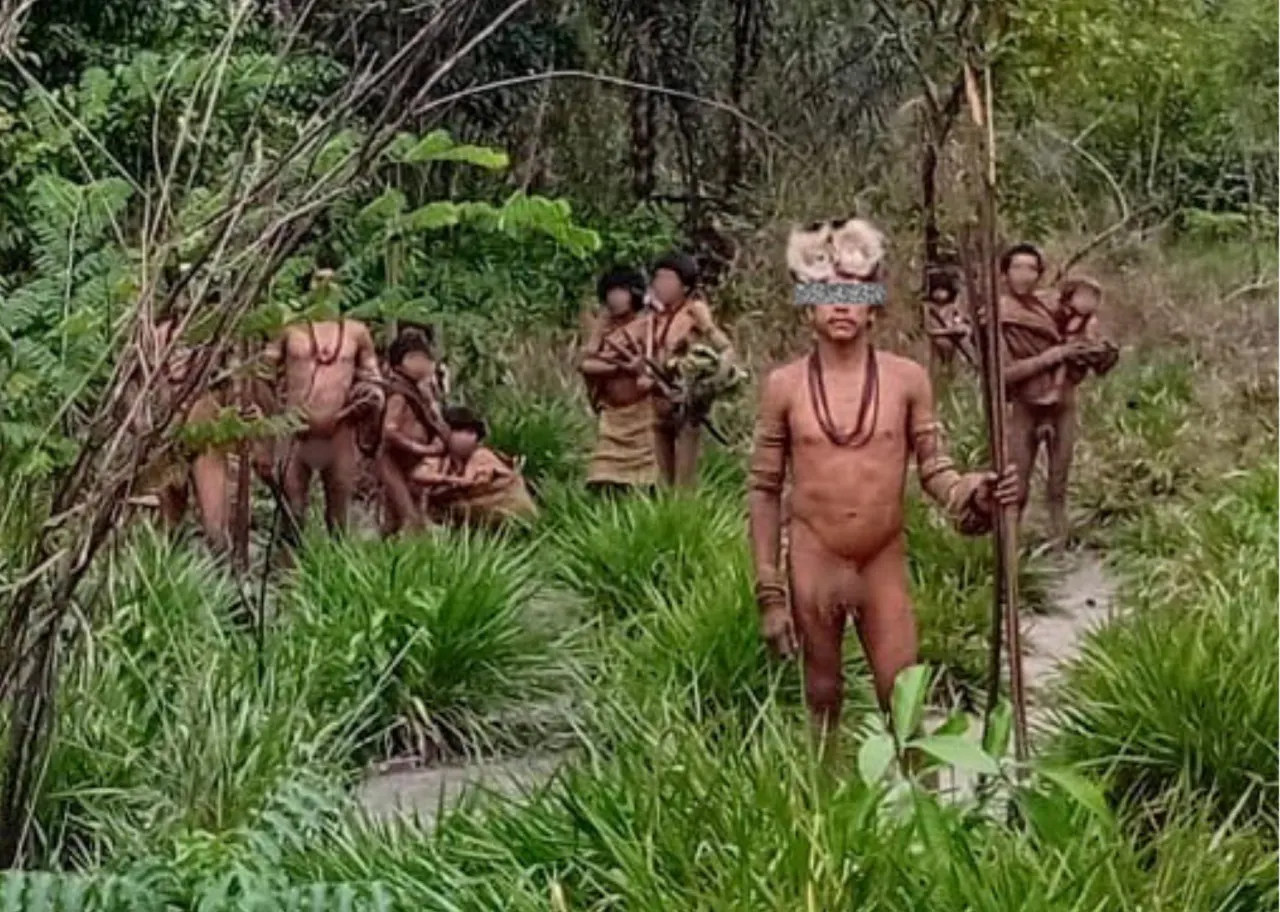
About 20 Awá Indigenous people approached a government outpost in Tawari, Maranhão, on Monday seeking yams, in a rare encounter with workers. They accepted food and returned to the forest, but rights groups say the visit signals growing danger as illegal logging, hunting and cattle ranching shrink the territory on which the largely uncontacted, nomadic people depend.
The Awá hunt and gather food, including armadillos, wild honey and babassu nuts, and are considered among the world’s most threatened Indigenous groups. The Guajajara, known as the Forest Guardians, say deforestation, fires, climate change and encroachment are harming Awá lands, while Survival International has urged Brazil to strengthen protection of the roughly 1.2-million-acre Arariboia Indigenous Territory.
In short
- Around 20 Awá sought yams at a Brazilian outpost.
- Rights groups warn forest encroachment is putting them at risk.
- The Arariboia territory covers about 1.2 million acres.
Steelman: both sides, in good faith
The strongest fair case each way — we don't pick a winner.
The case for
The encounter may be a warning that the Awá’s territory is no longer reliably providing the food and security they need. Illegal logging, hunting, fires and ranching can damage the forest and disrupt a nomadic way of life, so advocates argue Brazil should strengthen protection before the pressure causes further harm.
The case against
One rare visit for food does not, by itself, establish that the Awá are in growing danger or that existing protections have failed. A cautious assessment would seek sustained evidence about conditions across their territory and listen to the Awá’s own views, while recognising that contact and outside intervention can also pose risks to a people who have largely chosen to remain isolated.
Explained simply
The Awá are an Indigenous people in the Brazilian Amazon, including groups who live largely nomadic lives in the forest and have little contact with outsiders. They rely on hunting and gathering, including finding nuts, honey and animals for food.
Their home includes Arariboia Indigenous Territory in Maranhão, where the Guajajara people also live. Guajajara groups known as the Forest Guardians monitor and defend the forest, which faces pressure from illegal logging, fires, hunting and cattle ranching.
The Awá are among the world’s most threatened Indigenous peoples, and their wellbeing is closely tied to the forest remaining intact. Damage to their territory can reduce the food and space they depend on, while also affecting the Guajajara and other communities who seek to protect it.
Americas Culture Food Government Politics World