World news and discussion on TalkFuse.
The story behind the Van Gogh going under the hammer at Sotheby’s: From Nazi plunder to the Argentine dictatorship
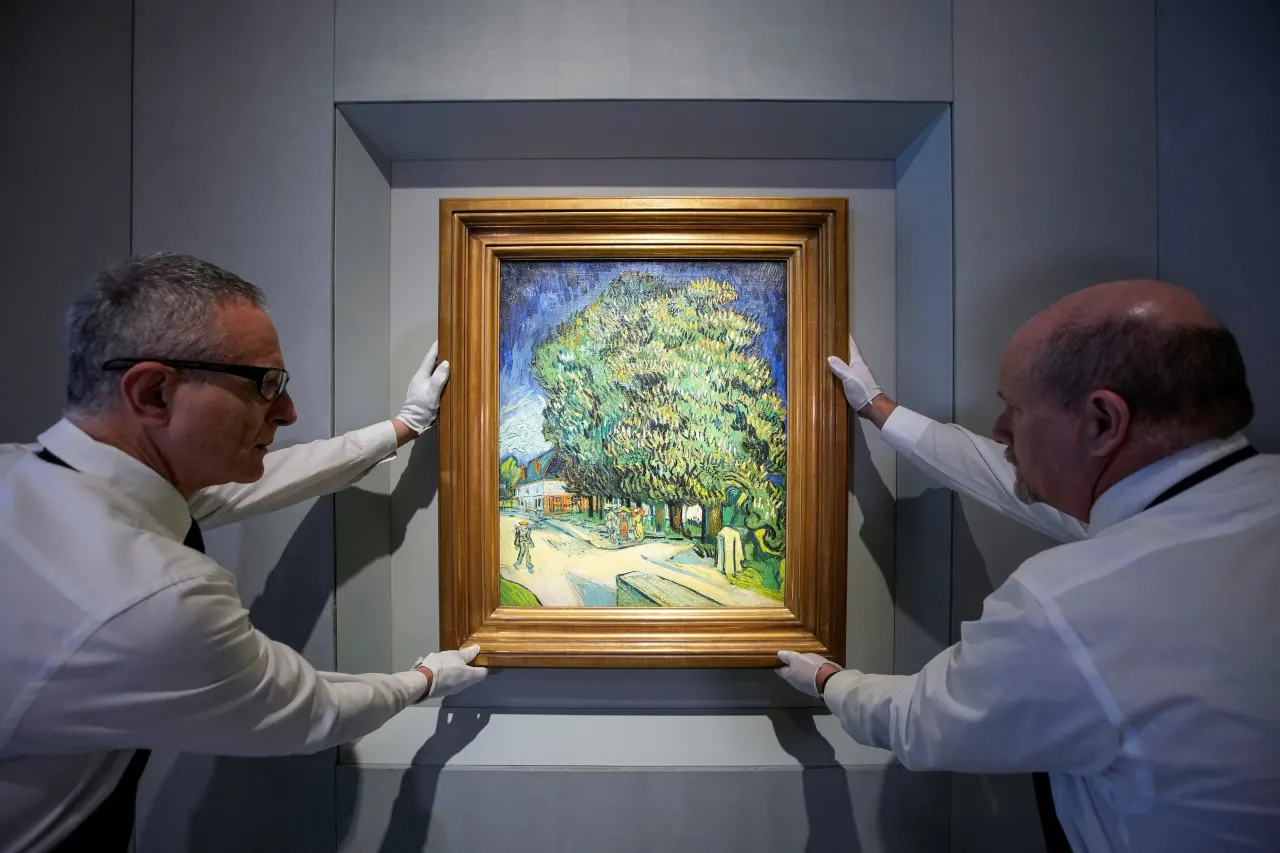
Vincent van Gogh’s *Châtaigniers en fleurs*, valued at about $180 million, is due to be auctioned at Sotheby’s after the current owners reached an agreement with the heirs of its former Jewish owner. The settlement resolves a challenge over whether the painting was sold under duress during Nazi persecution, allowing the sale to proceed.
Samuel Fischer bought the painting in 1909; his descendants fled Berlin for Vienna and sold it through an Amsterdam gallery in 1936. The Blaquier family acquired it in 1975, and their children are now selling it as part of a collection estimated at $480 million. Sotheby’s did not disclose the settlement terms, but Fischer’s heirs approved the auction; the work was painted in 1890, shortly before Van Gogh’s death.
In short
- A $180 million Van Gogh will go to auction after a settlement.
- Fischer’s heirs had challenged its 1936 sale during Nazi persecution.
- The painting entered the Blaquier collection in 1975.
Steelman: both sides, in good faith
The strongest fair case each way — we don't pick a winner.
The case for
The settlement and the heirs’ approval provide a fair route to resolve a disputed history while allowing the painting to be sold. An auction can establish its market value transparently, and the proceeds may let the current owners realise the value of their collection without continuing a contested claim.
The case against
The agreement does not disclose its terms, so the public cannot assess whether it adequately recognises the loss suffered by Fischer’s family or addresses the circumstances of the 1936 sale. Allowing the auction to proceed may also turn a work linked to Nazi persecution into a market transaction before questions of ownership and restitution have been fully aired.
Explained simply
Vincent van Gogh was a Dutch painter whose works are now among the most valuable in the world. This painting, made in 1890, was bought by Jewish art collector Samuel Fischer in 1909.
Fischer’s descendants left Berlin as Nazi persecution intensified and sold the painting through an Amsterdam gallery in 1936. That history raised a dispute over whether the sale was made under duress, a question that can affect who is recognised as the rightful owner of art taken or sold during persecution.
The Blaquier family acquired the painting in 1975, and their children are now selling it. The case brings together questions of ownership, family inheritance and the history of Nazi-era art sales.