Politics news and discussion on TalkFuse.
Impeachment used to actually mean something
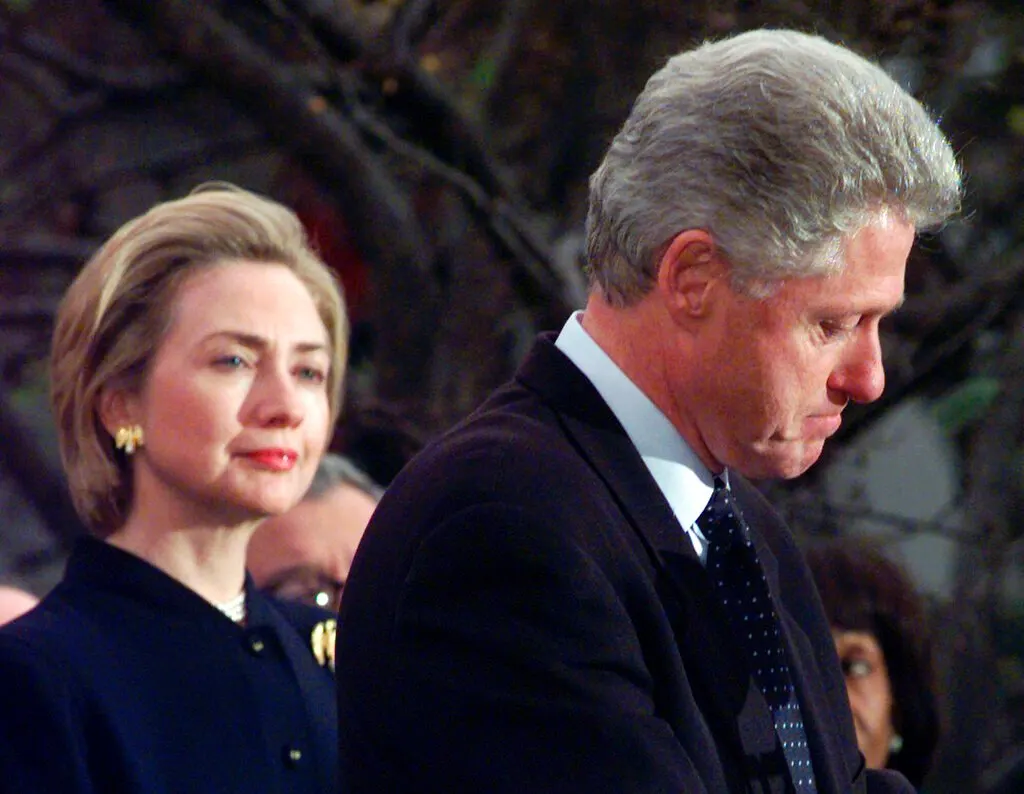
The article argues that presidential impeachment has lost some of its original weight, pointing to Bill Clinton’s 1998 impeachment as a turning point. It says his false testimony about his affair with Monica Lewinsky was dishonest and embarrassing, but did not amount to a grave offence against the republic.
Before Clinton, the only US president impeached was Andrew Johnson, in 1868, after he urged Southern states to reject the 14th Amendment. The article presents the contrast between Johnson’s actions and Clinton’s as evidence that impeachment was being applied to conduct the author considers less serious.
In short
- Clinton’s impeachment is portrayed as a turning point.
- The article contrasts Clinton’s case with Andrew Johnson’s.
- It argues impeachment has lost some of its weight.
Steelman: both sides, in good faith
The strongest fair case each way — we don't pick a winner.
The case for
Impeachment is an extraordinary constitutional remedy, so using it for conduct that is dishonest or embarrassing but does not seriously threaten public institutions risks weakening its force and making it seem like ordinary partisan punishment. On this view, the contrast with Andrew Johnson’s confrontation over Reconstruction and the 14th Amendment shows why the threshold should remain high: it should be reserved for grave abuses of office or threats to the constitutional order.
The case against
A president’s sworn testimony and conduct in office can bear directly on public trust and the rule of law, even when the underlying matter is personal. On this view, impeachment need not be limited to actions comparable in scale to Johnson’s clash over Reconstruction; Congress may reasonably judge that deliberate dishonesty by a president warrants a constitutional response, while leaving the final decision to elected representatives.
Explained simply
Impeachment is the US Constitution’s process for formally accusing a president or other federal official of serious misconduct. The House of Representatives can approve charges by a majority vote; the Senate then holds a trial and can remove the official if two-thirds of senators vote to convict.
Andrew Johnson was the first US president to be impeached, in 1868, during a dispute over the rights of formerly enslaved people and the 14th Amendment, which established citizenship and equal protection under the law. Bill Clinton was impeached in 1998 over false testimony and obstruction of justice linked to his affair with Monica Lewinsky, but the Senate did not convict him, so he remained in office.
The two cases are often compared in debates about what kinds of conduct warrant impeachment. The process matters because it is a constitutional check on presidential power, and its use can shape public expectations of how serious an offence must be.