Culture news and discussion on TalkFuse.
Labour minister ridiculed for supermarket video blaming Brexit import rules for food price hikes… but showing goods produced in Britain
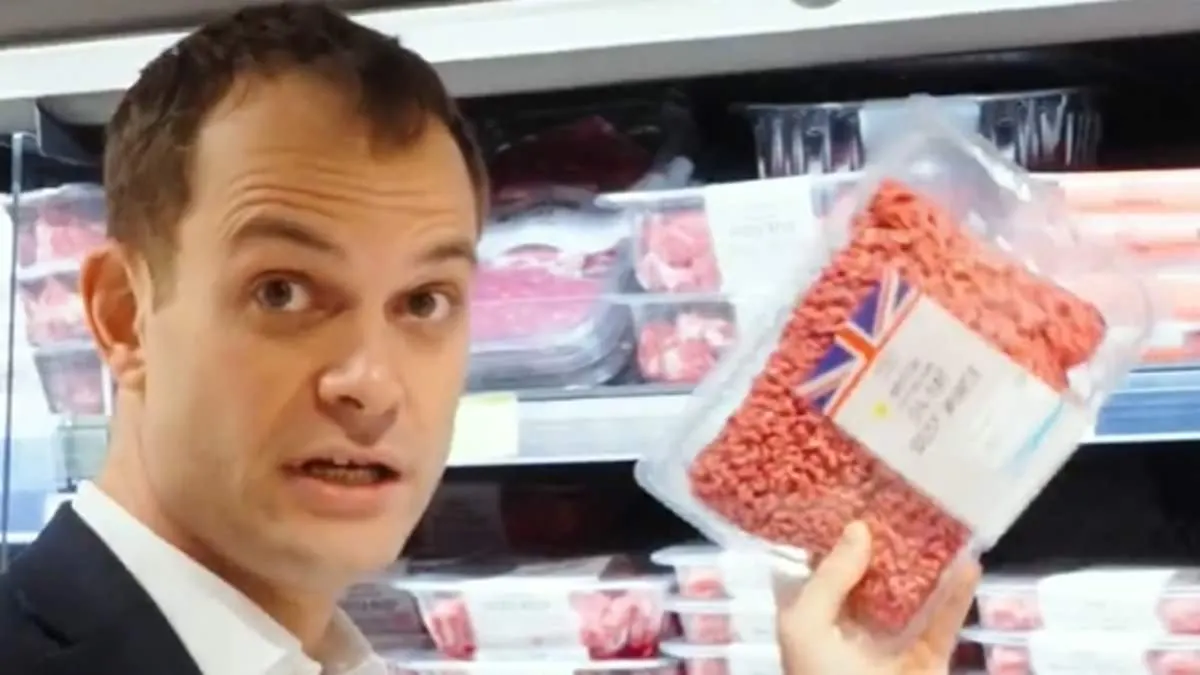
Labour’s European relations minister, Hamish Falconer, was criticised after a video linked higher supermarket food prices to paperwork introduced after Brexit. The clip showed him putting milk, beef mince, eggs and broccoli in a basket and saying an expected UK-EU agreement could reduce costs, but critics noted that nearly all the items were British-produced and would not face EU import paperwork.
Falconer said the agreement would reduce checks and costs while creating more export opportunities. The planned sanitary and phytosanitary deal would align UK rules with EU standards for plant, animal and food trade, with the aim of removing checks on exports. Critics disputed that it would lower prices for shoppers: they cited other possible drivers, including energy, labour and tax costs, and argued the deal could add costs for some businesses.
In short
- A minister blamed Brexit paperwork for food price rises.
- Critics said the basket mostly contained British goods.
- The proposed UK-EU deal aims to remove export checks.
Steelman: both sides, in good faith
The strongest fair case each way — we don't pick a winner.
The case for
Supporters can argue that post-Brexit rules add costs across food supply chains, including for businesses that use imported ingredients or sell into the EU, and those costs can feed through to UK prices. Aligning standards could reduce checks, paperwork and uncertainty while helping British producers export, so a deal may ease some cost pressures and support competition over time.
The case against
Critics can argue that the goods shown were largely produced in Britain, so EU import paperwork does not directly explain their prices; the video may therefore overstate the deal’s immediate relevance to shoppers. Food prices also reflect energy, labour, taxes and other costs, and alignment could impose adjustment costs on some businesses, making any savings uncertain or uneven.
Explained simply
Brexit changed how goods moving between Great Britain and the European Union are checked and documented. Food and farm products can be subject to sanitary and phytosanitary rules, which cover issues such as animal health, plant pests and food safety.
The UK and EU are discussing an agreement to align some of these rules. The aim would be to reduce checks on trade, particularly for British food exports to the EU; the effects on costs for businesses and prices for shoppers are disputed.
Food prices can also be affected by costs such as energy, wages, transport and taxes. The debate matters because changes to UK-EU trade rules may affect farmers, food businesses and shoppers in different ways.
Culture Entertainment Europe Film Food Government Politics UK World