World news and discussion on TalkFuse.
Genocide: The difficulty of proving the crime of crimes
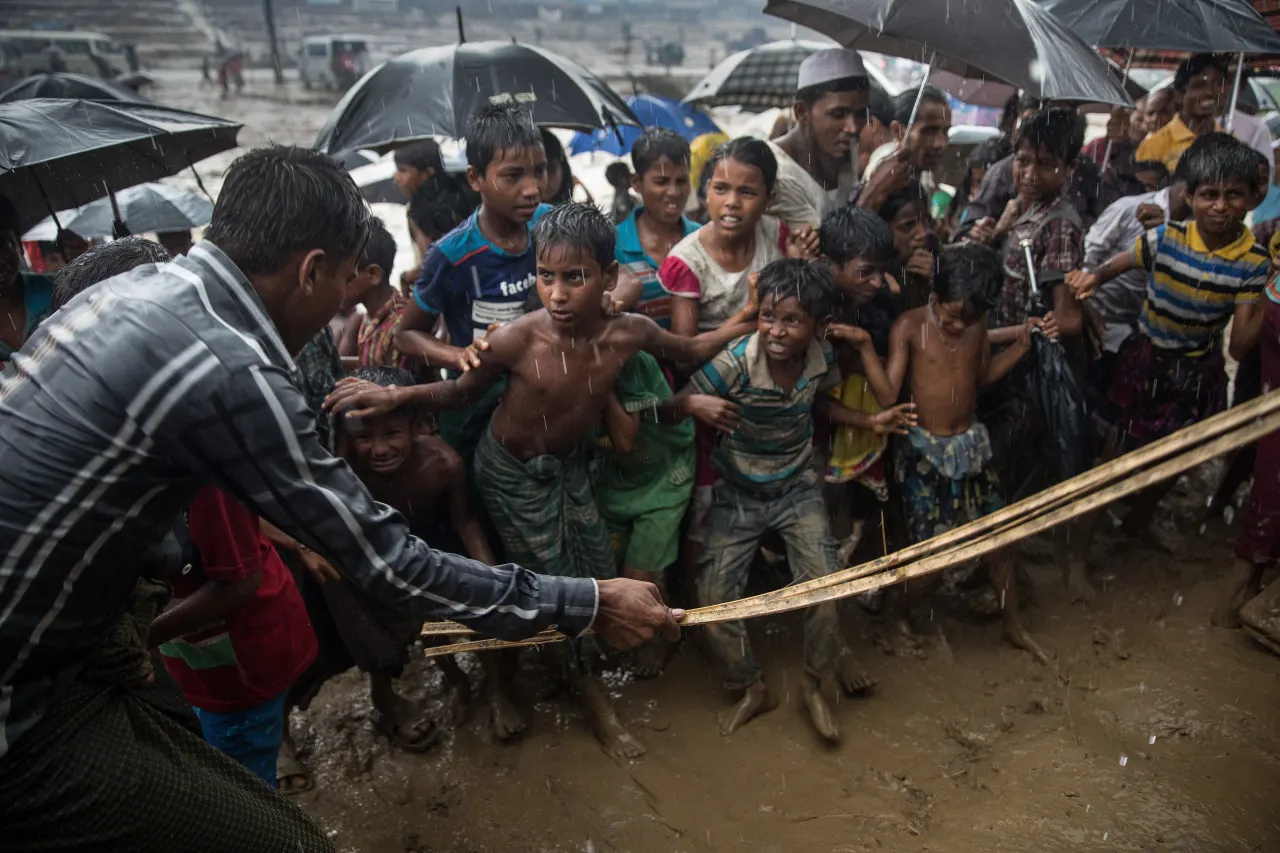
Genocide is among the hardest crimes to prove in international law because prosecutors must show an intent to destroy a protected group, in whole or in part. The International Court of Justice is due to rule on 19 November on Gambia’s case against Myanmar over alleged genocide against the Rohingya; its decision could shape the court’s future consideration of South Africa’s case accusing Israel of genocide in Gaza.
The 1948 Genocide Convention has been ratified by 153 states, but no state has ever been convicted of genocide. Individuals have been convicted by international and national courts: the first was Rwandan Jean-Paul Akayesu in 1998, and among the former Yugoslavia’s massacres only Srebrenica was legally judged genocide. The article traces the narrow legal definition to post-war negotiations and Raphael Lemkin’s campaign to establish the term.
In short
- The ICJ’s Myanmar ruling could influence a future case concerning Israel.
- No state has ever been convicted of genocide.
- Courts require proof of intent to destroy a protected group.
Explained simply
Genocide is a crime defined by the 1948 Genocide Convention, an international treaty adopted after the Second World War. It covers certain acts committed with the specific intent to destroy, in whole or in part, a national, ethnic, racial or religious group.
That intent can be difficult to prove: prosecutors must show more than that large numbers of people from a group were killed or harmed. The first person convicted of genocide by an international court was Jean-Paul Akayesu, a Rwandan official, in 1998; courts have also ruled that the 1995 massacre at Srebrenica was genocide.
The convention is binding on the states that have joined it, and 153 have done so. Cases at the International Court of Justice concern the responsibility of states, while other courts can try individuals; the legal tests used in one case can inform how later cases are considered.