World news and discussion on TalkFuse.
China Approved This Lung Cancer Drug. The FDA Is Making Americans Wait.
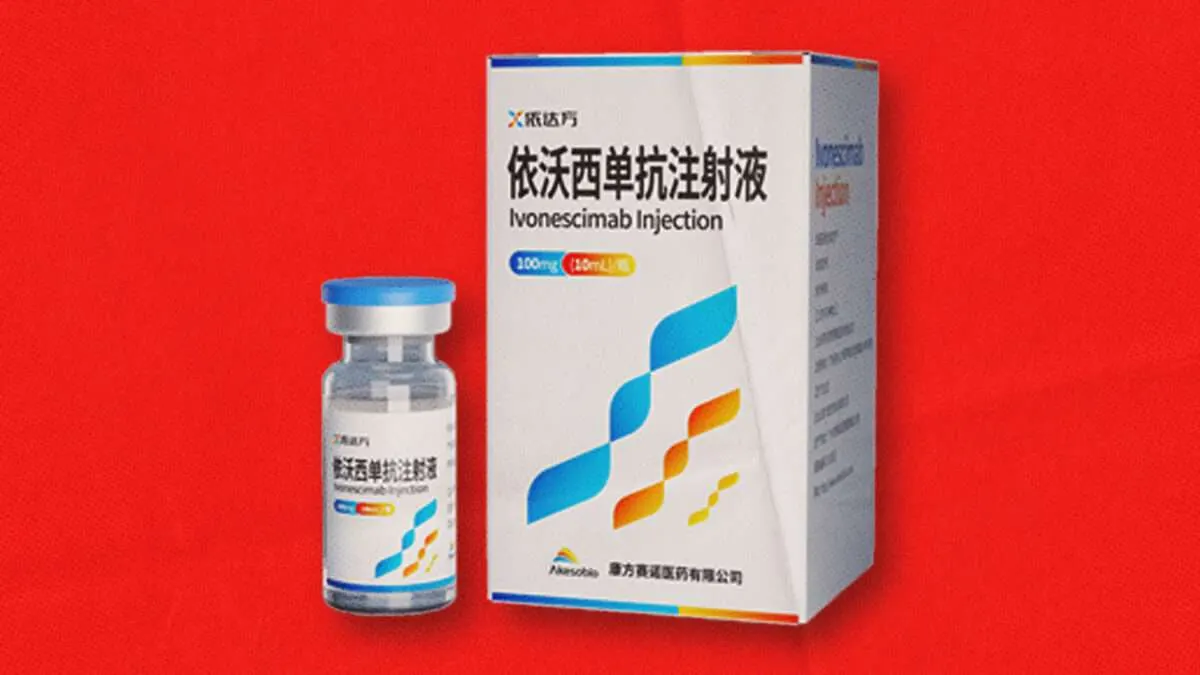
China approved ivonescimab in 2024 for some people with advanced lung cancer, but the US Food and Drug Administration has rejected Summit Therapeutics’ application to sell it in the United States. The decision means American doctors cannot routinely offer the drug to patients whose cancer has progressed after targeted treatment, despite trial evidence that it can delay worsening.
In a global trial, ivonescimab with chemotherapy kept cancer in check longer than chemotherapy alone, but did not establish that patients lived longer overall; a separate Chinese trial found a survival benefit. The article compares the decision with the FDA’s 2024 approval of Rybrevant with chemotherapy, which also delayed progression without proven overall survival benefit, while noting different trial results and side effects. It argues that the FDA should explain the distinction and that patients and doctors should be able to weigh treatment trade-offs.
In short
- FDA rejected US marketing of ivonescimab for some advanced lung cancer patients.
- A global trial showed delayed progression, but not longer overall survival.
- The article calls for an explanation and meaningful patient choice.
Steelman: both sides, in good faith
The strongest fair case each way — we don't pick a winner.
The case for
The FDA’s decision can be defended on the grounds that evidence of delayed progression does not necessarily show that patients live longer or feel better, and results from a separate Chinese trial may not settle that question for US patients. Regulators also have reason to weigh the reliability and relevance of the trial evidence, safety risks and whether an approval would expose patients to burdens without a clear net benefit.
The case against
The rejection can be questioned because the global trial found that ivonescimab plus chemotherapy delayed cancer worsening, an outcome that may matter to patients even without demonstrated longer survival. Given the FDA approved another treatment on progression results, the agency should clearly explain the distinction and give patients and doctors a chance to weigh the potential benefit against the risks.
Explained simply
Ivonescimab is a medicine designed to help the immune system fight cancer and to block signals that help tumours grow. It has been approved in China for some people with advanced lung cancer, including patients whose cancer has worsened after targeted treatment.
The US Food and Drug Administration reviews whether medicines can be sold in the United States, using evidence about their benefits and risks. In cancer trials, researchers may measure how long a cancer stays stable as well as whether patients live longer; these are different outcomes, and results can vary between trials.
The case matters because patients and doctors may weigh extra time before cancer worsens against a treatment’s side effects and uncertain effect on overall survival. Different medicines and trials can produce different evidence, so the basis for regulatory decisions can affect which options are available.
Americas Asia Health Medicine Politics World