Business news and discussion on TalkFuse.
Republicans could expedite bill to make big oil immune to lawsuits, warn experts
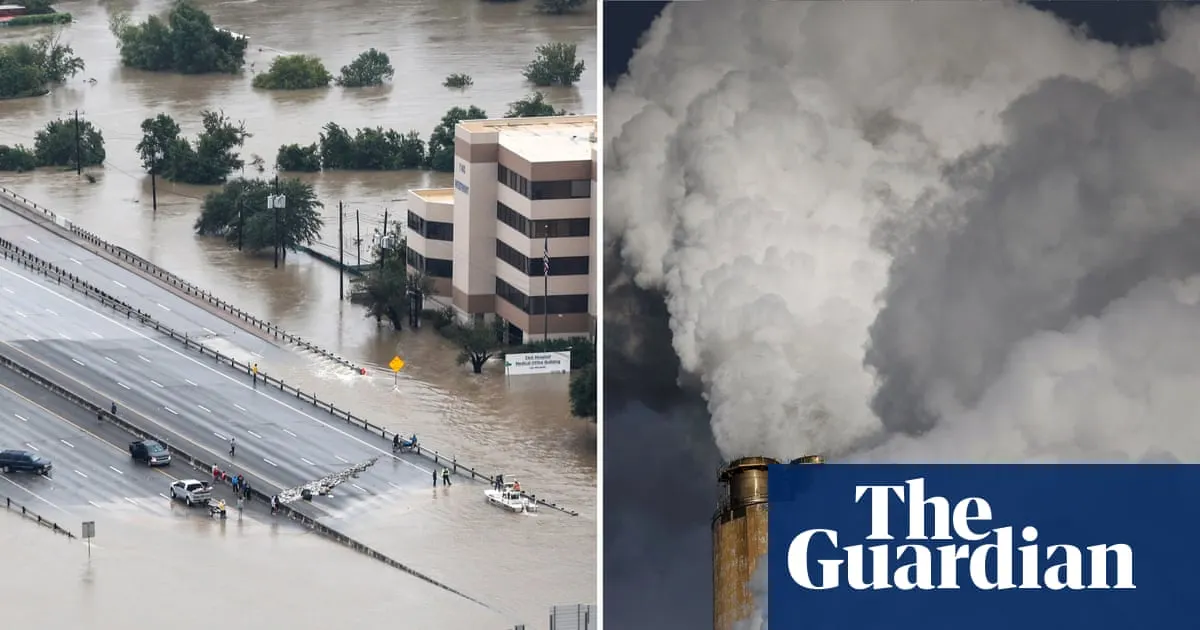
Republican lawmakers could try to pass legislation shielding fossil fuel companies from climate-related lawsuits before newly elected Democrats take office. Climate groups and local leaders warn it would weaken efforts to make oil and gas companies accountable for climate damage, while supporters say lawsuits threaten energy producers and drive up costs.
Introduced in April as the Stop Climate Shakedowns bill, the proposal would dismiss existing cases, bar new ones, void state climate superfund laws and give the federal government sole authority over greenhouse gas regulation. Eleven states, two tribal governments and dozens of municipalities have sued fossil fuel companies; New York and Vermont have also passed laws to recover climate disaster costs from polluters. The bill stalled in a House committee in September, but could be revived or its immunity provisions attached to other legislation before Congress changes.
In short
- Republicans may revive a bill granting fossil fuel companies broad legal immunity.
- The proposal would block climate lawsuits and void state superfund laws.
- The bill stalled in September but could be attached to other legislation.
Steelman: both sides, in good faith
The strongest fair case each way — we don't pick a winner.
The case for
Supporters could argue that climate policy should be set through national legislation and regulation, rather than a patchwork of state laws and lawsuits. A federal framework may offer clearer, consistent rules for energy producers and help avoid litigation costs and uncertainty that could be passed on to consumers.
The case against
Opponents could argue that lawsuits and state climate laws are legitimate ways to seek accountability for climate-related harms and recover some public costs of disasters. Blocking existing and future cases would remove those avenues before claims are resolved, while giving the federal government exclusive authority could limit states’ ability to respond to local impacts.
Explained simply
Climate change refers to long-term shifts in temperatures and weather patterns, driven largely by greenhouse gases released when fossil fuels such as oil and gas are burned. Governments and communities face costs from climate-related damage, including floods, fires and storms, and disputes have grown over who should help pay.
Some US states, tribal governments and local authorities have sued fossil fuel companies, arguing that their actions contributed to climate damage or that the companies misled the public about the risks. New York and Vermont have also passed laws allowing them to seek money from polluters to help cover disaster costs.
The proposed federal bill would block many such cases and give the federal government sole authority over greenhouse gas rules. Its supporters say lawsuits threaten energy producers and raise costs; opponents say they are an important way for communities to seek compensation.
Business Climate Elections Politics Science World