World news and discussion on TalkFuse.
German government to cut electricity bills after standoff that tested Merz’s credibility
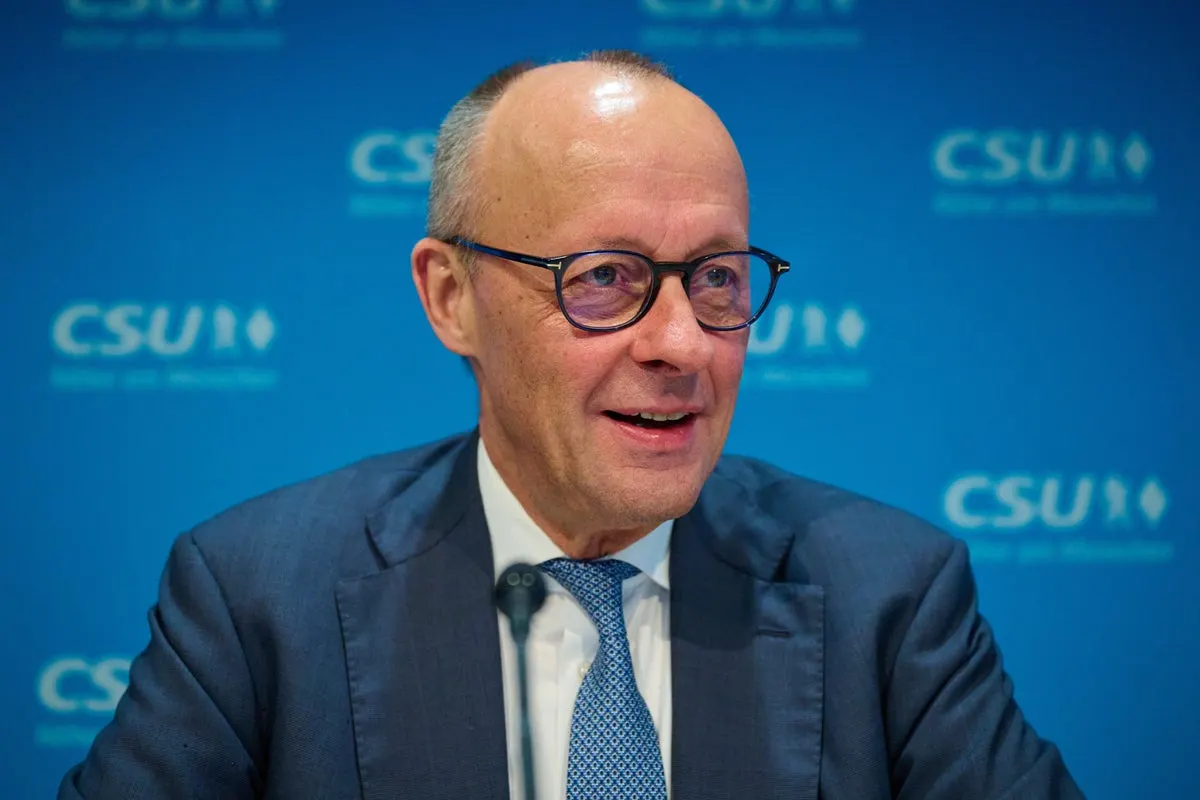
Germany’s governing coalition has agreed to cut electricity taxes for households and businesses from 2027, resolving a dispute that had become a test of Chancellor Friedrich Merz’s credibility. The deal follows election setbacks and public frustration with coalition infighting, while the government seeks to show it can deliver on promises and advance wider economic reforms.
The tax will fall from 2.05 cents to 0.1 cent per kilowatt-hour for consumers and businesses not already receiving a reduction. The coalition estimates the measure will cost €5.4 billion a year; it will use surplus funds earmarked for renewable energy to pay for the 2027 cut, but has not agreed how to fund it from 2028 onwards. Five state elections are due next year, ahead of the next national election scheduled for 2029.
In short
- Germany will cut electricity taxes for households and businesses in 2027.
- The rate will fall from 2.05 cents to 0.1 cent per kilowatt-hour.
- Funding after 2027 remains unresolved.
Steelman: both sides, in good faith
The strongest fair case each way — we don't pick a winner.
The case for
Cutting electricity tax could ease pressure on household budgets and reduce costs for businesses, supporting economic activity at a time when voters are frustrated with the pace of reform. Using surplus renewable-energy funds for the 2027 reduction may offer immediate relief while the coalition works towards a longer-term funding plan.
The case against
The annual €5.4 billion cost could limit public funds available for other priorities, and the lack of an agreed funding plan beyond 2027 leaves households and businesses uncertain about whether the relief will last. Drawing on funds earmarked for renewable energy may also weaken support for that policy area, while resolving the dispute without settling future costs could reinforce concerns about the coalition’s ability to plan consistently.
Explained simply
Germany is governed by a coalition: parties that join together to command a parliamentary majority and form a government. Chancellor Friedrich Merz leads the coalition, which has faced criticism over internal disputes and setbacks in elections. Its ability to agree and carry out policies matters to public confidence in the government.
Electricity taxes are charged for each unit of power used by households and businesses. Germany’s energy policy also involves funding the shift towards renewable sources, so decisions about electricity costs and public money can affect both consumers and businesses. The country has state elections next year and a national election scheduled for 2029.
Europe Government Politics World