Politics news and discussion on TalkFuse.
FULL DOCUMENTS: ‘I see a woman as an adult female. There are also trans women.’ – How Sinn Féin is coaching its representatives to speak about gender identity issues
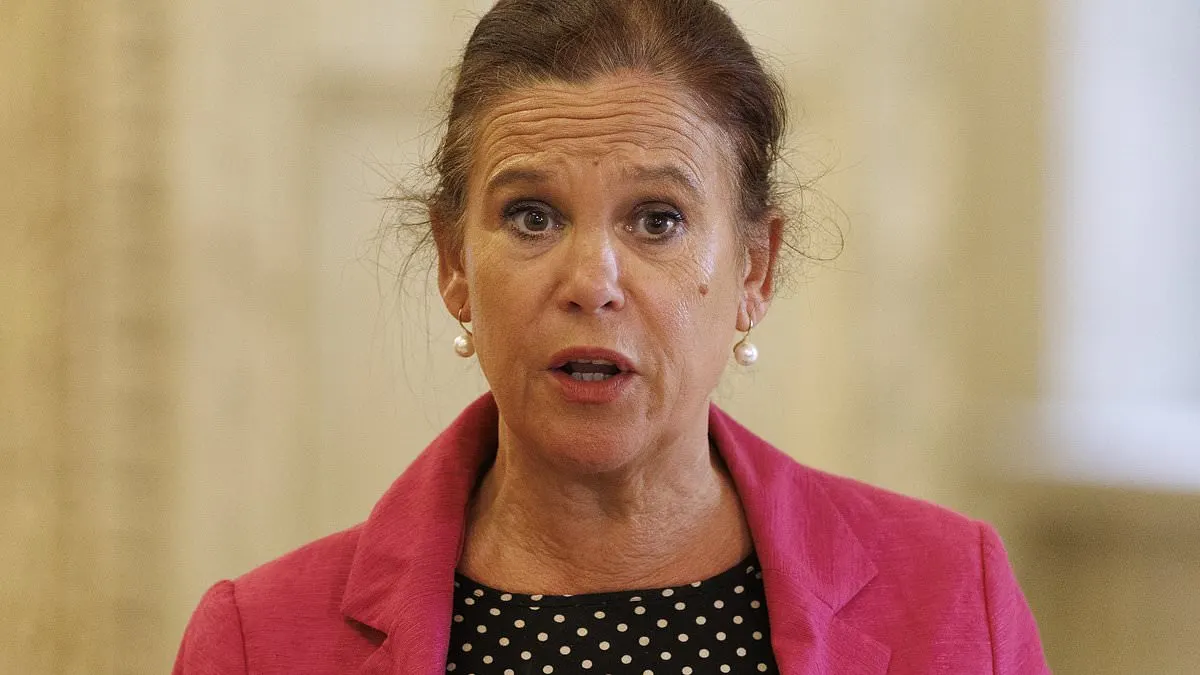
Sinn Féin’s draft gender identity policy sets out a balance between inclusion for trans people and sex-based protections. It distinguishes women from trans women in suggested speaking notes, supports legal recognition for non-binary people and reverses the party’s earlier support for allowing 16- and 17-year-olds to change their legal gender without a court order.
The policy supports the current process for young people, which requires medical documentation and a court order, while proposing phased legal recognition of non-binary identities and retaining information about sex recorded at birth. It also calls for a ban on conversion practices and stronger protection against hate, and says parents should be involved in discussions about a child’s gender expression while the child’s interests, health and rights remain paramount. The policy was circulated to TDs and Senators after a party motion called for a comprehensive approach balancing dignity and safety.
In short
- Sinn Féin’s draft policy distinguishes women from trans women.
- It backs phased legal recognition for non-binary people.
- Under-18s would still need medical documentation and a court order.
Steelman: both sides, in good faith
The strongest fair case each way — we don't pick a winner.
The case for
A comprehensive policy can recognise trans and non-binary people’s dignity while preserving sex-based protections where they matter, such as in some services, records or safeguarding decisions. Supporters of the draft may argue that careful legal processes for minors protect young people while they are still developing, and that involving parents alongside a child-centred approach can help ensure decisions reflect the child’s wellbeing. They may also see protection from conversion practices and stronger safeguards against hate as necessary parts of inclusion.
The case against
Critics may argue that retaining medical and court requirements for 16- and 17-year-olds imposes burdens that deny young people timely recognition and autonomy, especially when their identity is persistent and well understood. They may see distinguishing trans women from women in party guidance, and retaining sex recorded at birth, as risking stigma or exclusion in public life and services. They could also worry that parental involvement, even with the child’s interests paramount, may expose some young people to pressure or harm at home.
Explained simply
Sinn Féin is a political party active in both Northern Ireland and the Republic of Ireland. Its elected representatives include TDs in the Republic’s parliament and Senators in its upper house. The party has been discussing how its policies should address the rights and recognition of trans people.
The debate involves how people can have their gender recorded in law, and how services and protections account for sex and gender identity. Trans women are women whose gender identity is female but who were recorded as male at birth; non-binary people do not identify solely as men or women. These questions matter to laws, public services and the language politicians use.
Young people’s legal gender recognition and the role of parents are among the issues that can raise questions about children’s rights, health and welfare. Political parties develop policies to guide representatives’ positions, while laws and procedures are set by the relevant governments and institutions.