Science news and discussion on TalkFuse.
Business Council of Australia more aligned with fossil fuel industry than its members’ values, analysis finds
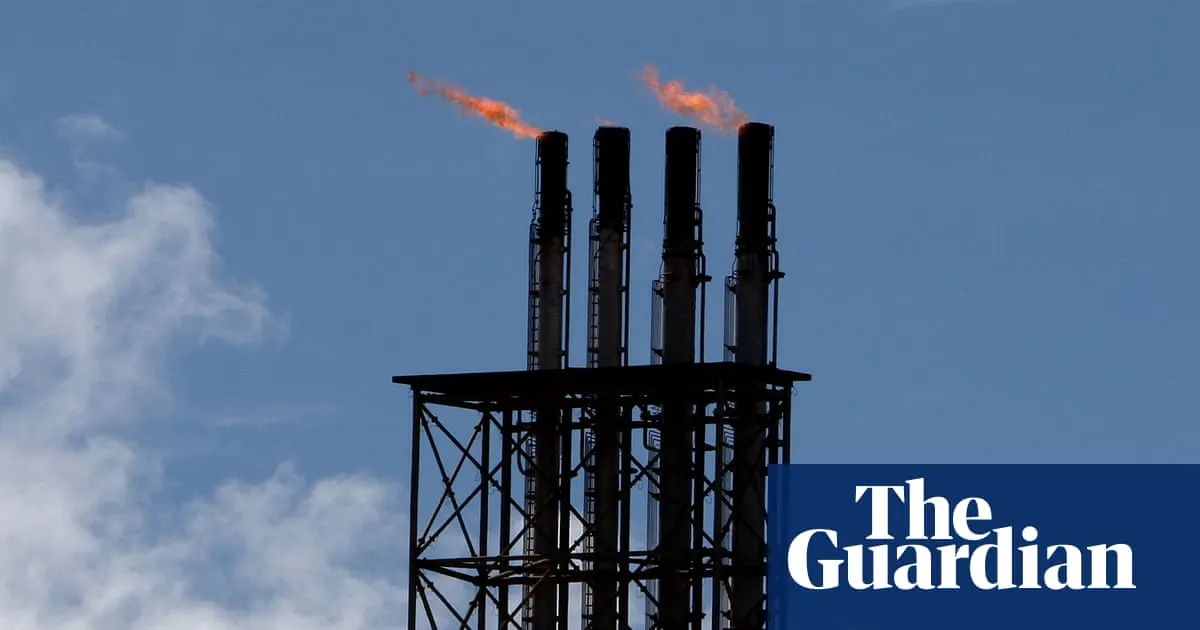
The Business Council of Australia (BCA) is advocating for expanded gas supplies despite climate policies favoured by most of its members, according to research by InfluenceMap. The findings raise questions about whether the council’s positions reflect a small group of fossil fuel companies more than its broader membership, and how its policies are shaped.
InfluenceMap assessed 58 companies from the BCA’s more than 120 members, using public statements, government submissions and regulatory filings. It found 69% supported stronger climate policies than the BCA, rising to 78% on the energy transition; the BCA’s positions were more aligned with Woodside, Santos and ConocoPhillips. The BCA says gas supports grid stability during the shift to renewables and reiterated its support for net zero by 2050, but it declined to identify members of its energy and climate committee. The debate comes as Australia reviews its emissions policy for major industrial facilities.
In short
- Most assessed BCA members favour stronger climate policies than the council.
- The gap is widest on the energy transition.
- The BCA says gas supports reliability as renewables expand.
Steelman: both sides, in good faith
The strongest fair case each way — we don't pick a winner.
The case for
The BCA can argue that reliable gas supplies help keep electricity dependable as renewables expand, while giving industry time to adapt and supporting energy-intensive businesses. Its support for net zero by 2050 suggests it sees gas advocacy as part of a managed transition, and a council may reasonably take positions that reflect the practical concerns of members whose investments and operations differ.
The case against
Critics can argue that when most assessed members favour stronger climate policies, the BCA’s gas advocacy may give disproportionate influence to fossil fuel companies and fail to represent the wider membership. Its refusal to identify the committee shaping energy and climate policy makes it harder to judge whose interests guide those positions, while continued gas expansion could slow emissions cuts.
Explained simply
The Business Council of Australia is a lobby group representing more than 120 large businesses. It makes policy submissions and speaks to government on issues affecting business, including energy and climate policy.
Its members include companies from across the economy, as well as fossil fuel producers such as Woodside, Santos and ConocoPhillips. InfluenceMap compared the public climate positions of 58 members with the council’s positions; the council says gas can help keep the electricity grid reliable as renewable energy expands.
The debate is relevant as Australia reviews the rules for emissions from major industrial facilities. It raises questions about how a business council’s policy positions are formed and how closely they reflect its members’ views.
Climate Science Software Technology World