World news and discussion on TalkFuse.
Californians raid stores, panic-buy survival gear as mass outages spark doomsday fears
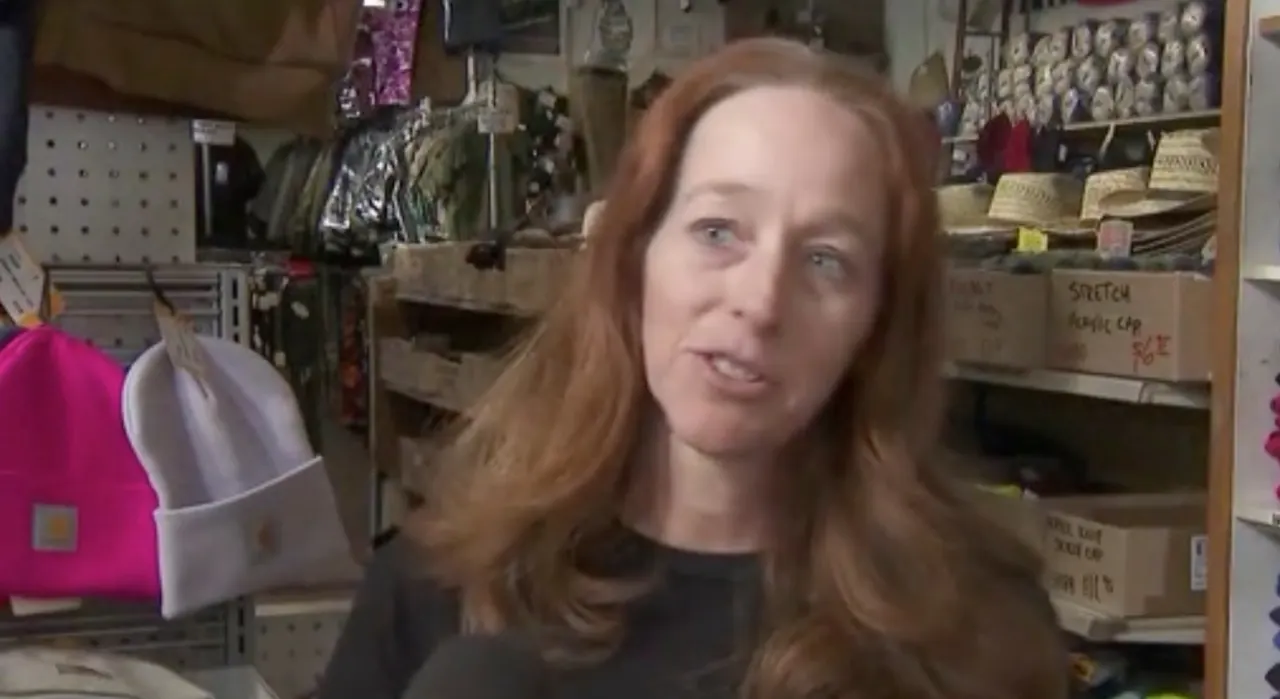
A series of major technology and service disruptions has prompted some Californians to buy emergency supplies, with shoppers visiting survival stores and Costco amid fears of wider outages. The rush highlights how dependent people are on connected systems, while experts caution that the incidents do not appear to signal a coordinated threat.
A Los Angeles surplus shop reported interest in emergency food, water, blankets, radios and survival kits; its manager recommended a battery-powered radio in case phones cannot be charged. Mizuho Securities said 21 of Costco’s 26 high-ticket generators were sold out online on Sunday night. Officials said the FAA ground stop followed a router problem and was unrelated to the other outages, while experts advised against panic-buying.
In short
- Service disruptions prompted some Californians to stock up on emergency supplies.
- Costco had 21 of 26 high-ticket generators sold out online.
- Experts urged sensible preparation rather than panic.
Steelman: both sides, in good faith
The strongest fair case each way — we don't pick a winner.
The case for
Buying a modest supply of essentials can be a sensible precaution when several disruptions expose how much people rely on power and communications. A radio, water and basic provisions may help households cope with a local outage, and preparing in advance can reduce pressure on emergency services.
The case against
The reported incidents have separate explanations, and experts say they do not indicate a coordinated threat; panic-buying may therefore turn limited disruptions into avoidable shortages. Stockpiling costly equipment can burden household budgets and leave supplies less available to people with urgent needs, while calm, proportionate preparation is more useful than reacting to worst-case fears.
Explained simply
Modern life relies on connected systems: mobile networks, internet services, cloud computing and the technology used by transport and businesses. When several services fail around the same time, people may worry that essential communication or power could be affected too.
The key players include the companies that run these services, public agencies such as the Federal Aviation Administration, which oversees US air travel, and the people who depend on them. A failure can have different causes, from a technical fault to a problem with equipment, so incidents occurring close together do not necessarily share a cause.
Emergency supplies such as water, food, torches and battery-powered radios can help households manage a temporary disruption. Understanding what has failed and how long it may last helps people make practical preparations without assuming that every outage signals a wider threat.