Technology news and discussion on TalkFuse.
How hacktivist saboteurs exposed federal agents — and how to fix the breach
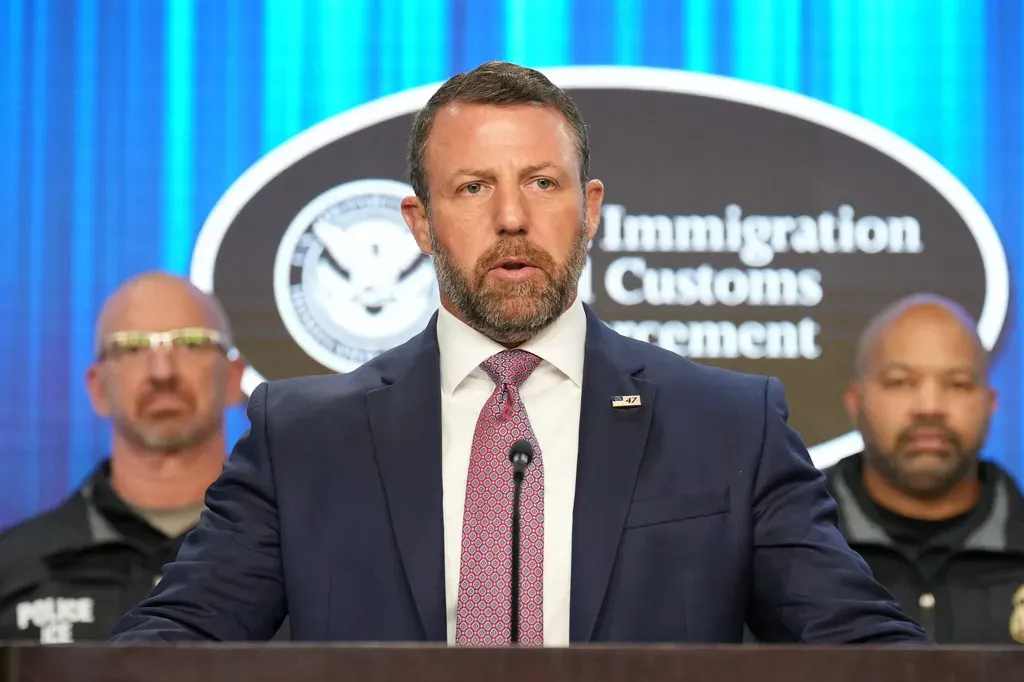
A group calling itself the “Department of Peace” claimed responsibility for stealing records on more than 41,000 Department of Homeland Security personnel. The article argues that the politically motivated disclosure could threaten border enforcement by exposing officers’ identities and describes it as operational sabotage.
The group reportedly gave the data to Distributed Denial of Secrets and developer maia arson crimew, who published it. The article says the attackers timed the release in response to DHS Secretary Markwayne Mullin’s pledge to “turn up the heat” on immigration enforcement. It proposes an audit and a zero-trust security approach, but the supplied text gives no further detail on those measures.
In short
- More than 41,000 DHS personnel records were exposed.
- A group claimed the release was retaliation over immigration enforcement.
- The article calls for an audit and zero-trust security.
Steelman: both sides, in good faith
The strongest fair case each way — we don't pick a winner.
The case for
Publishing the records could be defended as a form of public-interest pressure on a powerful agency, particularly if the disclosure reveals misconduct or enables scrutiny of immigration enforcement. Supporters might argue that secrecy can shield state actions from accountability and that disruptive protest is justified when ordinary channels seem ineffective.
The case against
Releasing personal records of tens of thousands of federal personnel risks exposing them and their families to harassment or physical harm, regardless of whether the individuals are responsible for agency policy. Critics can argue that targeting identities is disproportionate, undermines legitimate law enforcement, and may chill public service without providing meaningful accountability.
Cybersecurity Politics Technology