Technology news and discussion on TalkFuse.
AI data centers could consume more water than Americans drink in a year by 2030, says CEO working on solution
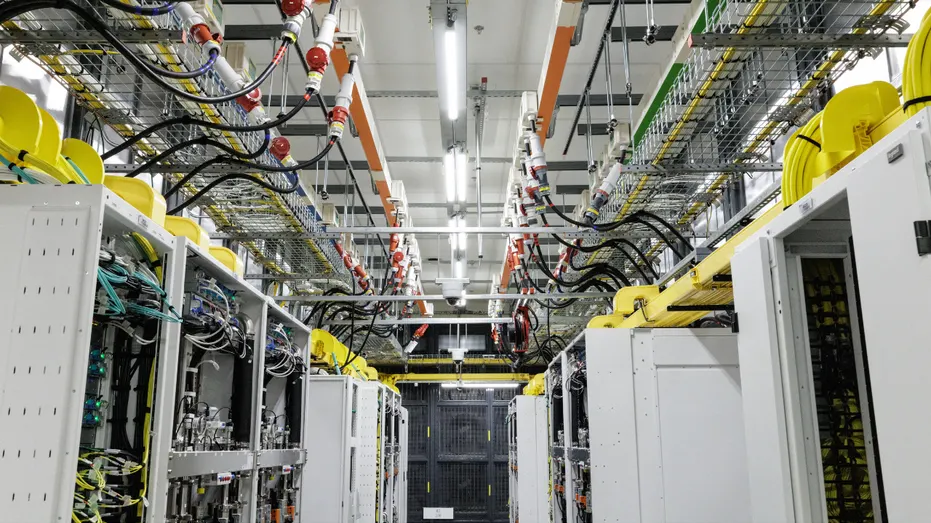
Ecolab chief executive Christophe Beck warned that, if older cooling methods continue, US data centres could use as much water to cool their servers by 2030 as Americans use for drinking. The forecast highlights the pressure that AI’s growing demand for computing power could place on water supplies, and the concerns that have prompted opposition to data centre projects in some communities.
Beck said water is needed to make, power and cool AI chips, and that more complex chips require cooling beyond air conditioning. Ecolab is developing direct chip cooling and water-recycling systems, which Beck said can reduce water and power use; he described the approach as a closed loop. He noted that the new technologies are intended for newly built data centres, while many existing facilities use more resource-intensive systems, and that Texas faces particular water stress.
In short
- US data centre cooling could match Americans’ drinking water use by 2030.
- Ecolab is developing direct chip cooling and water recycling.
- New systems may reduce resource use, but target new facilities.
Steelman: both sides, in good faith
The strongest fair case each way — we don't pick a winner.
The case for
AI data centres support services and innovation that may bring economic benefits, and their growing demand for computing makes reliable cooling essential. With water-conscious designs such as direct chip cooling and recycling, developers could reduce consumption while expanding capacity, so the forecast may be a reason to accelerate better technology rather than halt projects.
The case against
Even if improved systems can cut water use, the forecast raises concern that data centres could add substantial demand to already stressed supplies, especially in places such as Texas. New designs may not quickly replace older facilities, and communities can reasonably question whether the economic and technological benefits justify the local water burden or the risk that promised efficiencies will not be enough.
Explained simply
AI systems run on computer chips in data centres: large buildings that house servers and the equipment needed to keep them running. As demand for AI grows, more computing capacity is being built, and the chips need cooling to prevent overheating.
Data centres can use water as part of their cooling systems, while water is also needed to make chips and generate electricity. Ecolab, a company that works on water treatment and management, is developing systems that cool chips directly and reuse water; many existing data centres still use older methods.
The issue matters because data centres can draw on water supplies shared with homes, farms and businesses. The effects depend on local conditions, with water stress already a concern in parts of Texas, and have led some communities to oppose proposed projects.
AI Americas Business Companies Technology World