World news and discussion on TalkFuse.
Greater NYC to be flooded with 40K new apartments this year — as 13K come to 1 borough alone
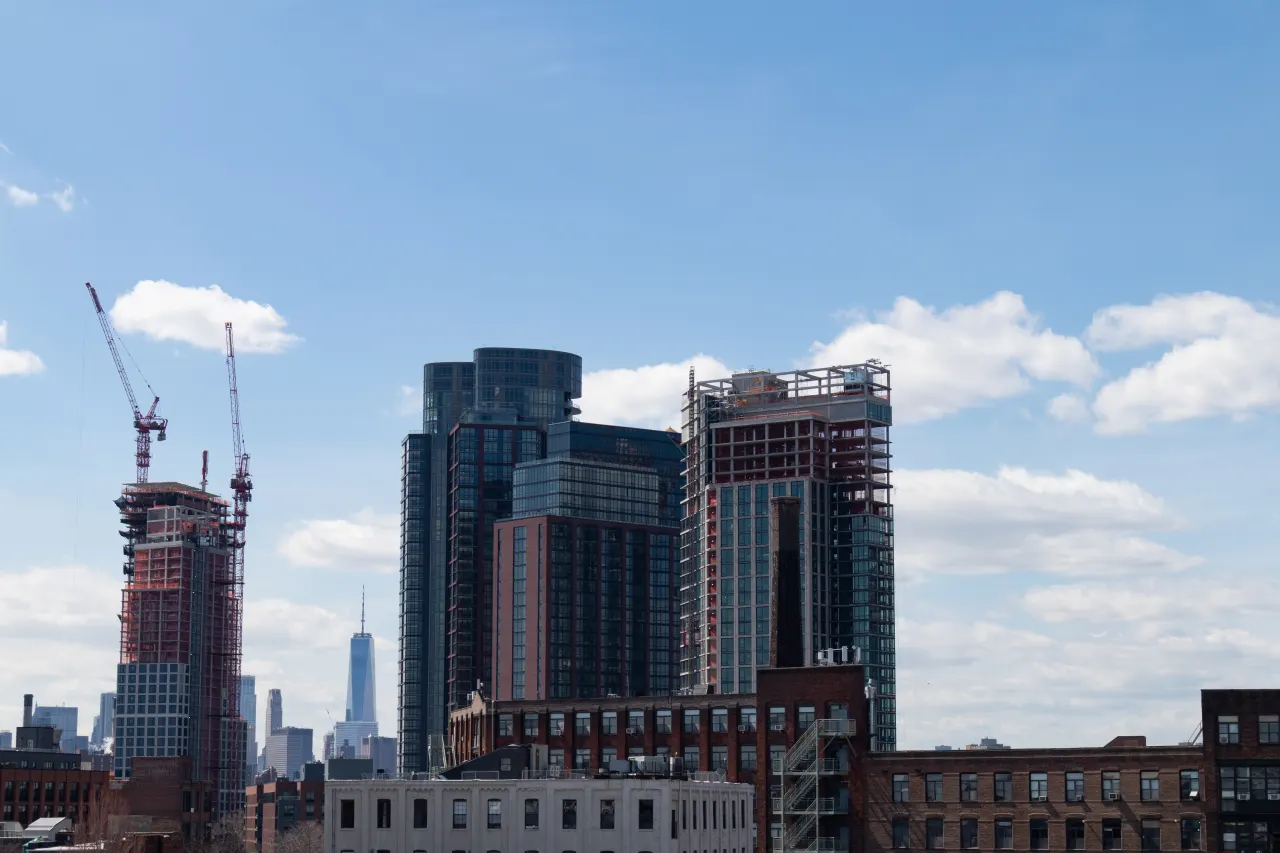
The New York metropolitan area is expected to add 38,825 apartments in 2026, more than any other US metro area. Brooklyn is projected to account for 13,011, around a third of the total, as new construction arrives amid record rents and fewer rental listings.
Brooklyn’s projected openings are 37% higher than last year. Its median rent reached $4,400 in October, up 7% year on year, while the citywide median asking rent rose nearly 4% to $4,100. Jersey City is forecast to add 4,637 rentals, Queens 4,072 and Manhattan 3,944; the New York metro total is up 11.4% from 2025. The estimates cover buildings with at least 50 apartments, exclude the Bronx and Staten Island, and depend on which projects open by year-end.
In short
- Nearly 38,825 apartments are projected across the New York metro area.
- Brooklyn is set to add 13,011, about one-third of the total.
- Rents are rising as available listings decline.
Steelman: both sides, in good faith
The strongest fair case each way — we don't pick a winner.
The case for
The large influx of new apartments could ease pressure in a market where rents are high and rental listings are scarce, giving more people a chance to find a home. Brooklyn’s projected growth, alongside additions across the wider metro area, may also expand choice and help meet demand as the city grows.
The case against
Even a substantial number of new apartments may not make housing affordable if rents remain high or the homes are beyond the budgets of many residents. The forecast covers only large buildings, excludes two boroughs and depends on projects opening on time, so it may overstate how much usable housing will reach the market this year.
Explained simply
New York City and its surrounding suburbs make up a large, closely connected housing market, where people often live in one borough or nearby city and travel elsewhere for work. Brooklyn, Queens and Manhattan are three of New York’s five boroughs; Jersey City is across the Hudson River in New Jersey.
New apartments are built by private developers and rented to households, while rents and available homes reflect demand as well as the supply of housing. The figures here count larger buildings and are estimates of projects expected to open during the year.
The issue matters because housing costs affect where people can afford to live, and how much choice renters have. Comparing new construction with rents and the number of homes available can help show how the region’s housing supply is changing.