World news and discussion on TalkFuse.
Birmingham judge restricts unauthorised flags on public infrastructure over safety concerns
Developed over time first seen 1 day ago
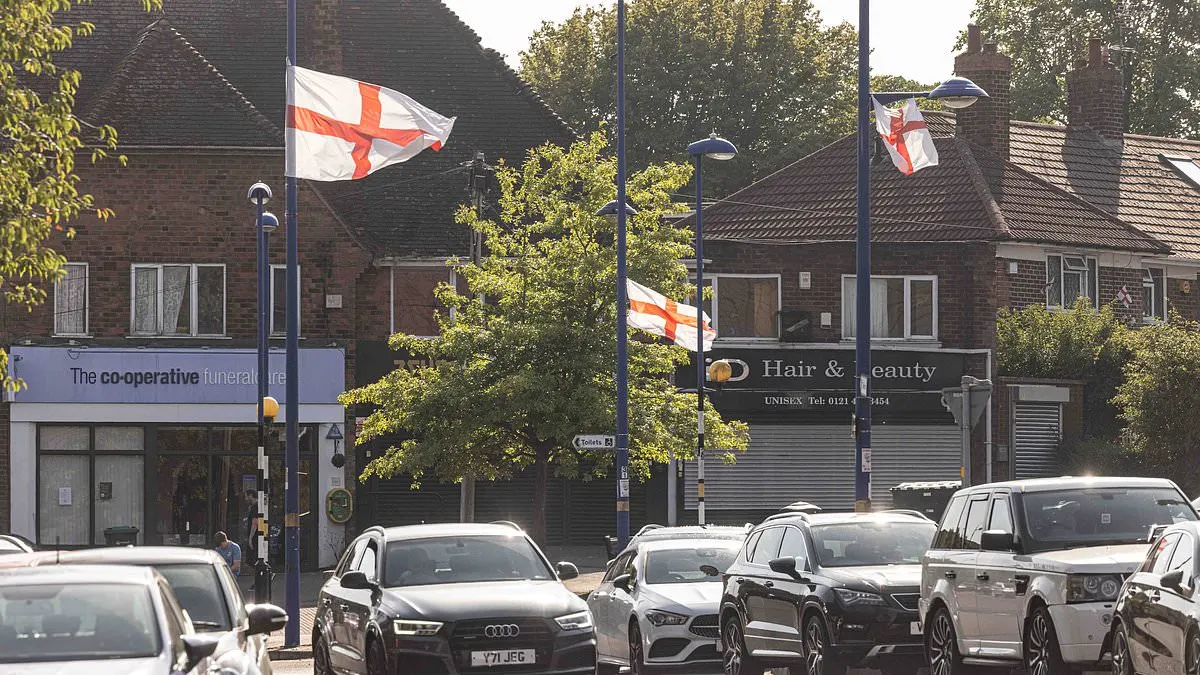
A Birmingham judge has granted an interim injunction restricting unauthorised flags attached to lampposts, bridges and other highway infrastructure. The council argued that the displays created safety risks and were linked to obstruction and tensions, while campaigners said the order could affect freedom of expression and protest.
The order applies to Raise The Colours co-founder Ryan Bridge, Ben Cullen and “persons unknown” across Birmingham. It covers flags of all types on public street furniture, but residents may display flags on their own property or where they have permission. Breaching the injunction could lead to up to two years in prison, a fine or asset seizure; police may detain suspected breachers without a warrant, and a follow-up hearing is due on Thursday.
- Sources
- 2
- Outlets
- 2
- Left · Centre · Right
- 0 · 0 · 2
In short
- Birmingham court restricts unauthorised flags on highway infrastructure.
- The injunction covers flags of all types, not displays on private property.
- Breaches could result in prison, fines or asset seizure.
How this story developed
- 15 hours ago The council cited obstruction, interference with highway equipment, intimidation and assaults, including a man’s broken leg; Judge Kelly stressed the limits of the order, with a further hearing due on Thursday.
- 21 hours ago The order was clarified to cover flags of any kind on street furniture across Birmingham, with campaigners warning it could affect protest and free expression while permitted displays on private property remain allowed.
- 22 hours ago Birmingham City Council secured an interim injunction limiting unauthorised flags on public highway structures after thousands appeared and the council raised safety and disorder concerns.
Steelman: both sides, in good faith
The strongest fair case each way — we don't pick a winner.
The case for
The council’s strongest case is that attaching flags to lampposts, bridges and other highway structures without permission can create real risks: objects may fall, obstruct visibility or interfere with infrastructure, while large-scale displays may contribute to disorder or make some residents feel targeted. An interim injunction can provide a clear, enforceable way to address those concerns while the court considers the matter further, without preventing people from displaying flags on their own property.
The case against
The strongest objection is that a broad injunction, especially one applying to unidentified people and backed by possible detention or criminal penalties, may restrict peaceful expression before the underlying concerns have been fully tested. Critics could argue that councils should address specific hazards or unlawful conduct with targeted measures, and that public displays of national identity deserve protection so long as they do not create demonstrable risks.
Explained simply
Birmingham City Council is responsible for maintaining the city’s roads, bridges and other public infrastructure. Attaching objects to this infrastructure without permission can raise concerns about damage, visibility for drivers and the safety of people putting them up.
Raise The Colours is a group associated with displaying flags in public places. The people named in the court order, along with people not individually identified, are covered by restrictions on attaching flags to highway structures; residents may still display flags on their own property.
The case concerns where flags can be put up and how councils and courts address risks linked to public infrastructure. It also distinguishes restrictions on particular locations and conduct from a general ban on displaying flags or expressing pride.
Coverage · 2 sources
Bias meters
From 2 rated sources.
Read the full article at the source →
Originally published by Daily Mail as “Judge BANS people from putting up St George’s flags on lampposts and bridges in Birmingham because of ‘safety risks’”.