World news and discussion on TalkFuse.
Burnham’s irritation at PMQs raises questions about his response to scrutiny
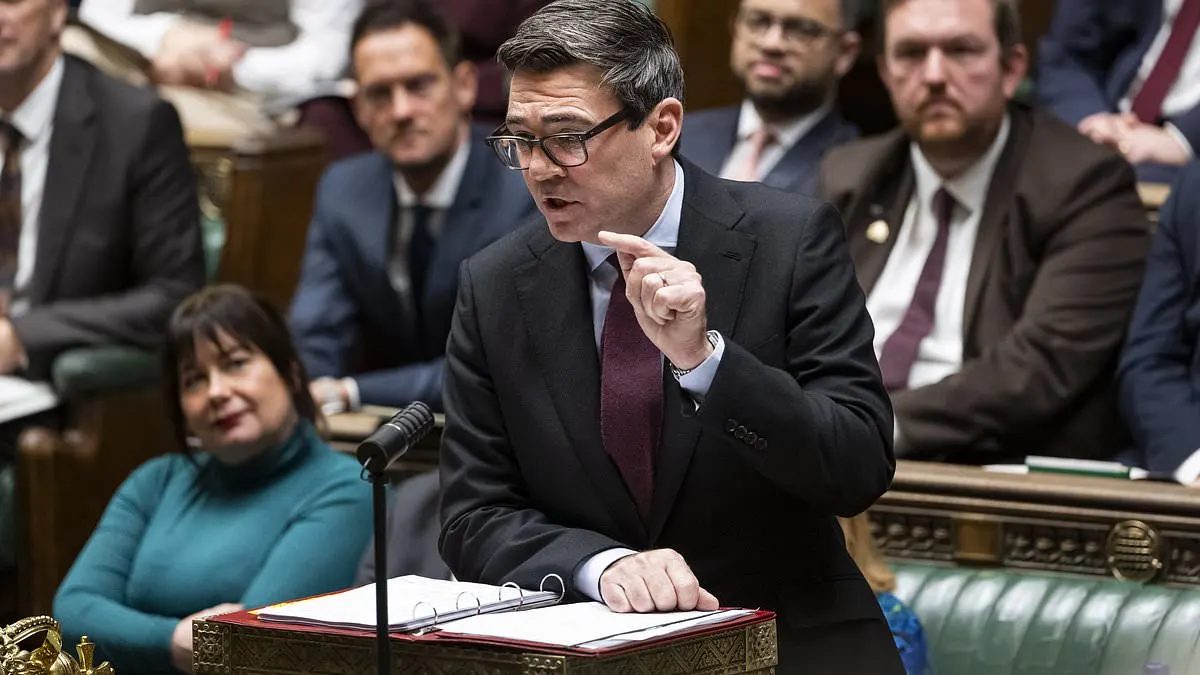
At PMQs, Andy Burnham appeared unusually irritated as Kemi Badenoch challenged his record and arguments on welfare, Europe and youth unemployment. The exchange matters because it marked a sharp change from the more conciliatory style he had previously promised, prompting questions about how he will handle scrutiny as Prime Minister.
Burnham accused the Conservatives of neglecting business and young people, defended the Milburn report and pressed Badenoch to support an opportunity guarantee; she dismissed his replies as “waffling”. The article also describes contrasting reactions among Labour MPs and reports that Burnham’s attempt at a joke about Jon Pearce’s Movember moustache seemed mean. It is a commentary on one PMQs session, rather than a policy account.
In short
- Burnham clashed with Badenoch at PMQs.
- Welfare and youth unemployment were central issues.
- His sharper tone contrasted with his earlier pledge.
Steelman: both sides, in good faith
The strongest fair case each way — we don't pick a winner.
The case for
Burnham’s irritation may reflect the pressure of defending his record against challenges he regards as selective or unfair, while trying to make the case for policies such as an opportunity guarantee. A more combative response can signal resolve and expose what he sees as Conservative neglect of business and young people; one tense exchange need not define how he would handle scrutiny as Prime Minister.
The case against
The change from Burnham’s promised conciliatory style may reasonably raise doubts about whether he can respond to sustained scrutiny with composure and clarity. If his replies seemed evasive and his joke came across as mean, critics can argue that the session weakened his case and risked distracting from the substance of his policies.
Explained simply
Prime Minister’s Questions (PMQs) is a weekly session in which MPs question the prime minister in the House of Commons. The leader of the main opposition party usually challenges the government’s record, making it a prominent test of how ministers respond to criticism.
Andy Burnham is the Labour prime minister in this account, and Kemi Badenoch leads the Conservatives. Welfare refers to government support for people on low incomes or out of work; youth unemployment means young people who want jobs but cannot find them. The exchange also touched on the Milburn report and an “opportunity guarantee”, proposals discussed in relation to jobs and support for young people.
PMQs can reveal how a leader handles unscripted challenge, as well as disagreements over policy. Reactions from MPs and viewers may shape perceptions of a leader’s style, though one session alone does not establish how they would respond in other settings.
Read the full article at the source →
Originally published by Daily Mail as “QUENTIN LETTS: Burnham got all testy, driven to distraction by Kemi’s taunts and the laughter in her eyes…”.