World news and discussion on TalkFuse.
Why De la Espriella’s cry of ‘Long live Christ the King!’ is stirring controversy in Colombia
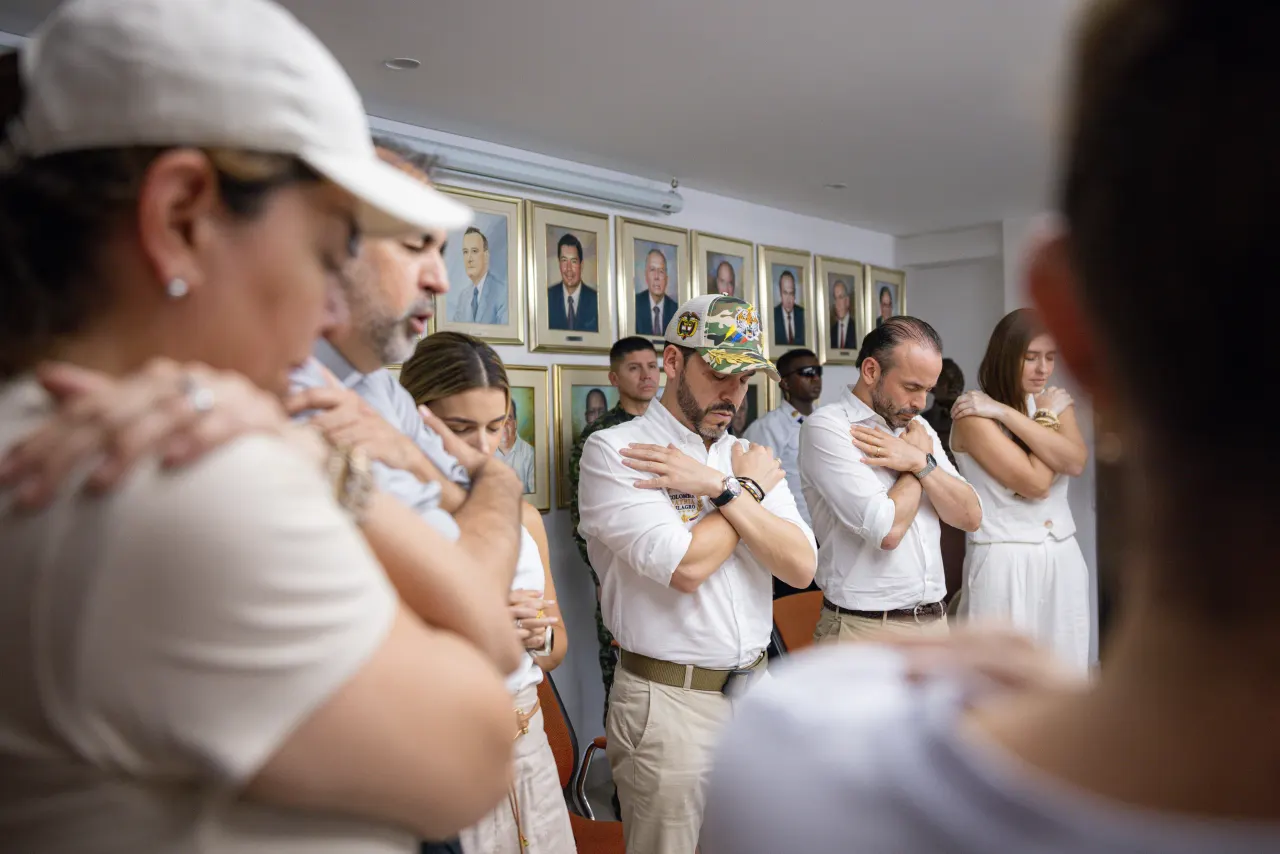
Colombian President Abelardo de la Espriella’s repeated sign-off, “Long live Christ the King!”, has become a political flashpoint, renewing debate over the constitutional separation of religion and government. A judge had found his use of the phrase at his inauguration breached the religious neutrality expected of a head of state, but the Council of State later ruled that it did not violate rights to equality, religious freedom or freedom of conscience.
De la Espriella began using the slogan at his 7 August inauguration in Cali, which included prayers from Catholic, evangelical and Jewish leaders; he later apologised but continued using it in public messages. Interior Minister Alejandro Ordóñez, a traditionalist Catholic who opposes abortion, same-sex marriage and euthanasia, has also adopted it. A poll around the president’s first 100 days found the phrase among the issues drawing the strongest negative reactions, as critics point to its history as a political and military battle cry.
In short
- De la Espriella has made “Long live Christ the King!” his signature sign-off.
- Colombia’s top administrative court ruled it did not breach specified fundamental rights.
- The phrase is drawing backlash and has a history linked to conservative Catholic movements.
Steelman: both sides, in good faith
The strongest fair case each way — we don't pick a winner.
The case for
Supporters could argue that “Long live Christ the King!” expresses the president’s personal faith and a cultural tradition, rather than announcing that the state favours Catholicism. They may also point to the inauguration’s inclusion of Catholic, evangelical and Jewish leaders and to the Council of State’s ruling that the phrase did not violate protected rights, while stressing that religious freedom includes public expression.
The case against
Critics could argue that a president’s repeated use of a religious slogan carries the authority of the office and risks making non-Christian and non-religious citizens feel less fully represented. Given the constitutional expectation of state neutrality and the phrase’s history as a political and military battle cry, they may see it as more than private devotion, even if a court found no violation of specific rights.
Explained simply
Colombia’s constitution separates religion from government and protects people’s freedom to follow different faiths, or none. The president is expected to respect that neutrality, while public debate often touches on the country’s Catholic traditions and the place of religion in politics.
Abelardo de la Espriella is Colombia’s president, and Alejandro Ordóñez is his interior minister. Their use of a Christian slogan has drawn attention to how religious language from senior officials may be understood by people of different beliefs.
The phrase also has a history as a political and military rallying cry in Colombia. That history helps explain why its use can carry meanings beyond personal faith and prompt debate about religion, public office and the country’s past.