World news and discussion on TalkFuse.
From Rubens to the 20th century: Three centuries of painting reveal how portraits of the female silhouette lost their curves
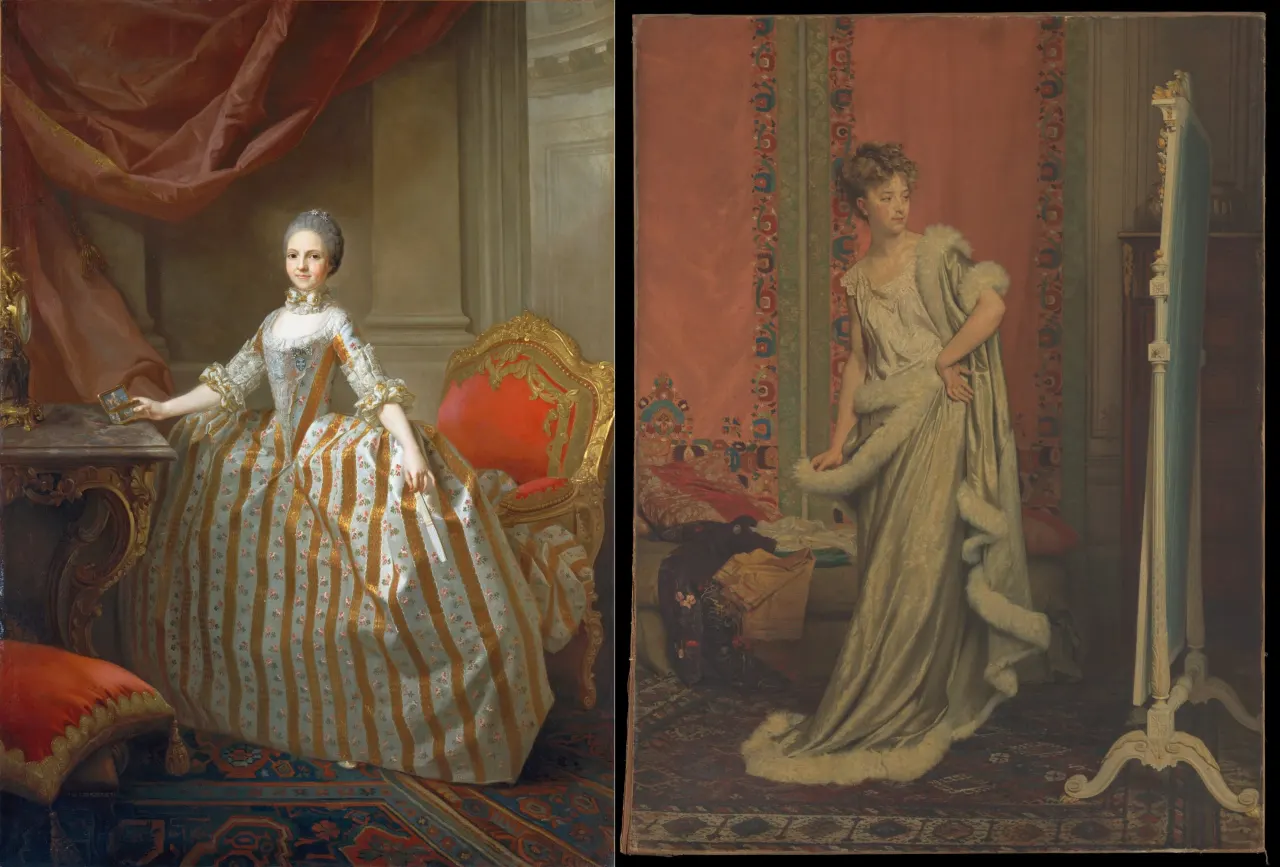
A study of painted portraits finds that depictions of elite women became less curvaceous between 1650 and 1950, with the perceived difference between waist and hips shrinking. The researchers say this change began well before cinema and modern advertising, suggesting that ideals of female appearance were already shifting over several centuries.
The study analysed 486 paintings showing 606 women from French and English elites, with about 1,500 people assessing body shape and facial features. Perceived waist-to-hip ratio was lowest in the mid-18th century and rose gradually from around 1750, though the trend fluctuated. The authors caution that their sample cannot show whether the same pattern applied to women outside elite society.
In short
- Portraits show a long-term shift towards less curvaceous depictions.
- The trend began well before film and mass advertising.
- The study covers elite women in France and England.
Steelman: both sides, in good faith
The strongest fair case each way — we don't pick a winner.
The case for
The study offers evidence that ideals of female appearance were changing over a long period, before cinema and modern advertising could have driven the shift. Its large set of paintings and independent assessments make the pattern worth taking seriously, while the authors’ caution about the sample helps keep the claim proportionate.
The case against
Painted portraits are selective representations, shaped by artists, patrons, fashion and changing styles as well as ideas about bodies. Assessors’ impressions of waist-to-hip ratios cannot establish the women’s actual figures or show that society at large shared the inferred ideal; the elite French and English sample also limits how broadly the trend can be applied.
Explained simply
From the 17th to the 20th century, portraits were an important way for wealthy families to present themselves. Painters worked within conventions about pose, clothing and beauty, so an image may reflect both the sitter and the tastes of its time.
The study examines portraits of women from French and English elite families, with viewers rating their apparent body shapes. Its findings describe a pattern in these paintings, not a record of women’s bodies, and may not apply to people outside elite society.
The subject matters because ideas about appearance changed long before film and mass advertising became influential. The portraits offer one way to trace those changing ideals across several centuries.