Politics news and discussion on TalkFuse.
Loudon County Is the Data Center Capital of the World. Now It’s Paused Building New Ones.
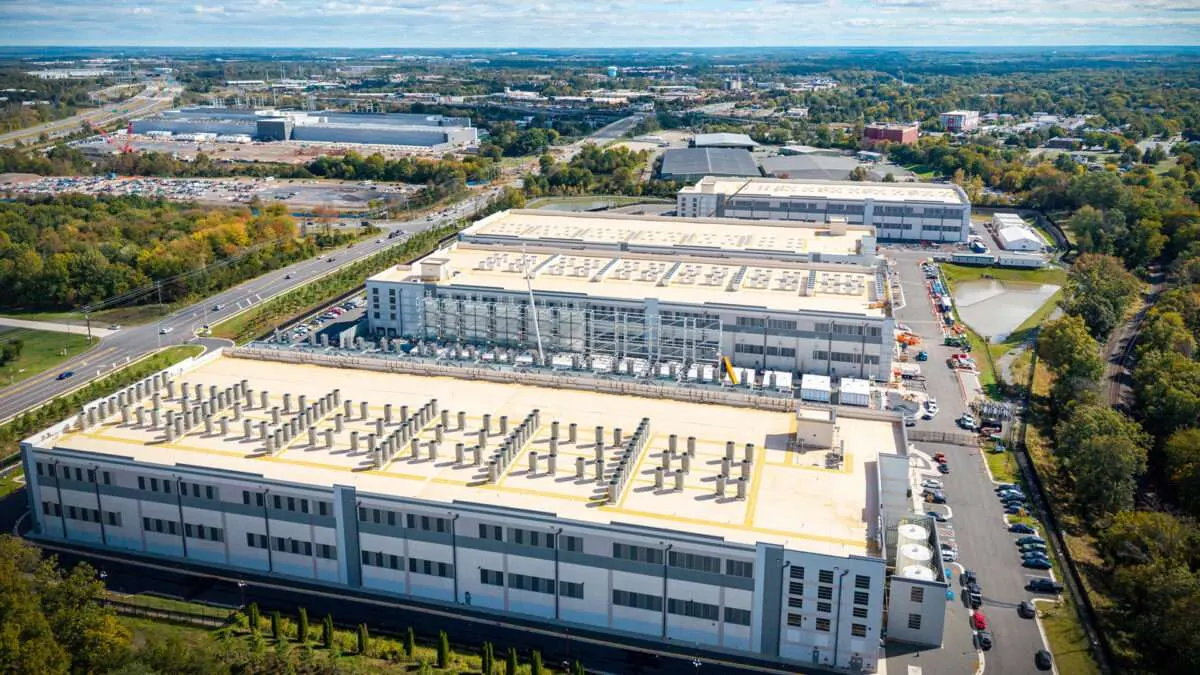
Loudoun County, Virginia, has voted to pause approvals for most new data centre projects and substations for 10 months while it drafts new rules. The decision reflects residents’ concerns about noise, air quality, developments near homes and pressure on the electricity grid, and may signal growing resistance to the data centre expansion supporting artificial intelligence.
The measure passed 7–1, with one abstention, and could remain in effect until next September; projects in the Route 28 tax district and already approved projects are exempt. Loudoun has about 233 data centres built or under construction, and the sector is forecast to bring in $1.3 billion in FY 2027, around 40 per cent of the county budget. A supervisor warned that legal challenges could cost up to $60 million.
In short
- Loudoun County paused most new data centre approvals for 10 months.
- Residents raised concerns about noise, air quality and the power grid.
- The industry is projected to supply 40 per cent of the county budget.
Steelman: both sides, in good faith
The strongest fair case each way — we don't pick a winner.
The case for
A temporary pause gives Loudoun time to set clearer rules before more projects are approved, while addressing residents’ concerns about noise, air quality, proximity to homes and strain on the electricity grid. Supporters can argue that managing growth now may protect quality of life and ensure future development better reflects its costs, even if data centres bring substantial revenue.
The case against
The pause could delay investment in an industry that provides a major share of county revenue and supports the infrastructure behind expanding digital services and AI. Opponents may also argue that exempting some areas while halting other projects creates uncertainty for businesses, and that potential legal costs and lost opportunities make a broad pause a costly way to develop new rules.
Explained simply
Loudoun County, in northern Virginia, has become a major hub for data centres: large buildings filled with computer servers that store and process information. They support online services and the growing use of artificial intelligence, but need substantial electricity and cooling.
The county government, led by its elected Board of Supervisors, decides whether many new projects can go ahead. Data centres bring in significant tax revenue, while nearby residents have raised concerns about noise, air quality, development close to homes and demands on the power grid.
The debate reflects a wider challenge for places hosting fast-growing technology infrastructure: how to weigh local effects and energy needs against investment and public income. Changes to planning rules can also affect developers and the county’s finances.