World news and discussion on TalkFuse.
Russia’s new low-cost munitions pose a fresh threat to Ukraine
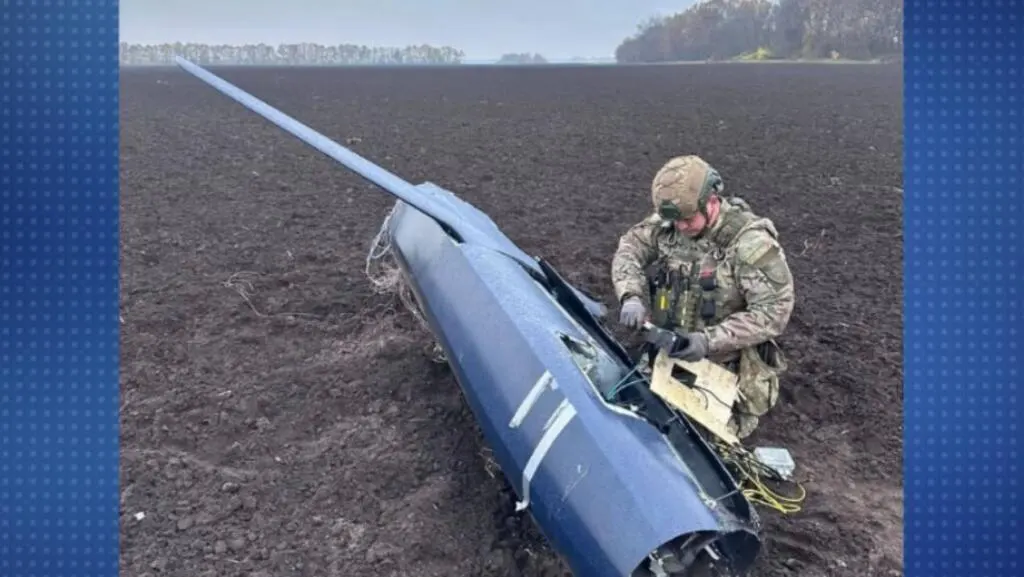
Russia is deploying a new class of relatively cheap, fast weapons that fall between drones and cruise missiles, raising concerns about Ukraine’s air defences and critical infrastructure. Their speed may help them evade systems designed to intercept slower drones, while their low cost could allow Russia to produce them in large numbers.
The Banderol, linked to an August strike in Kharkiv that injured 16 people, is estimated to cost $50,000 to $100,000, compared with up to $2 million for a Kh-101 cruise missile. It has a shorter range of about 500 kilometres, uses civilian components and can make tight turns; Beskrestnov says it descends to 200 metres before impact. The Dan-T, described as the Banderol’s successor, is reported to be 35% cheaper, though little is known about its capabilities.
In short
- Russia is developing fast, low-cost weapons that challenge Ukraine’s air defences.
- A Banderol may cost $50,000 to $100,000, far below a Kh-101.
- The newer Dan-T is reported to be 35% cheaper than the Banderol.
Steelman: both sides, in good faith
The strongest fair case each way — we don't pick a winner.
The case for
Russia could argue that deploying relatively inexpensive weapons with useful range and speed is a legitimate way to strike military targets while conserving costlier missiles. From this perspective, diversifying its arsenal may also help overcome air defences and sustain attacks without relying on a small number of expensive systems.
The case against
Ukraine and its supporters could argue that weapons capable of evading air defences put civilians and critical infrastructure at greater risk, as the reported Kharkiv strike illustrates. Their relatively low cost may enable repeated attacks, forcing Ukraine to spend scarce resources defending against weapons that are cheaper to produce than the interceptors needed to stop them.
Explained simply
Russia’s full-scale invasion of Ukraine has involved repeated attacks on cities, military targets and essential services such as power and transport. Ukraine relies on air-defence systems to detect and intercept incoming weapons, but these systems have limited supplies and must respond to different kinds of threats.
The Banderol is a Russian weapon that uses some civilian components and is reported to cost far less than a cruise missile. Its relatively high speed and ability to turn may make it harder for some defences to stop. Russia is also reported to be developing the Dan-T, though details about it remain scarce.
If these weapons can be made in large numbers, Ukraine may have to use more of its air defences to protect important sites. The issue matters beyond the battlefield because damage to infrastructure can disrupt electricity, transport and other services used by civilians.