World news and discussion on TalkFuse.
Did the UK get a bad Brexit deal? Have your say now
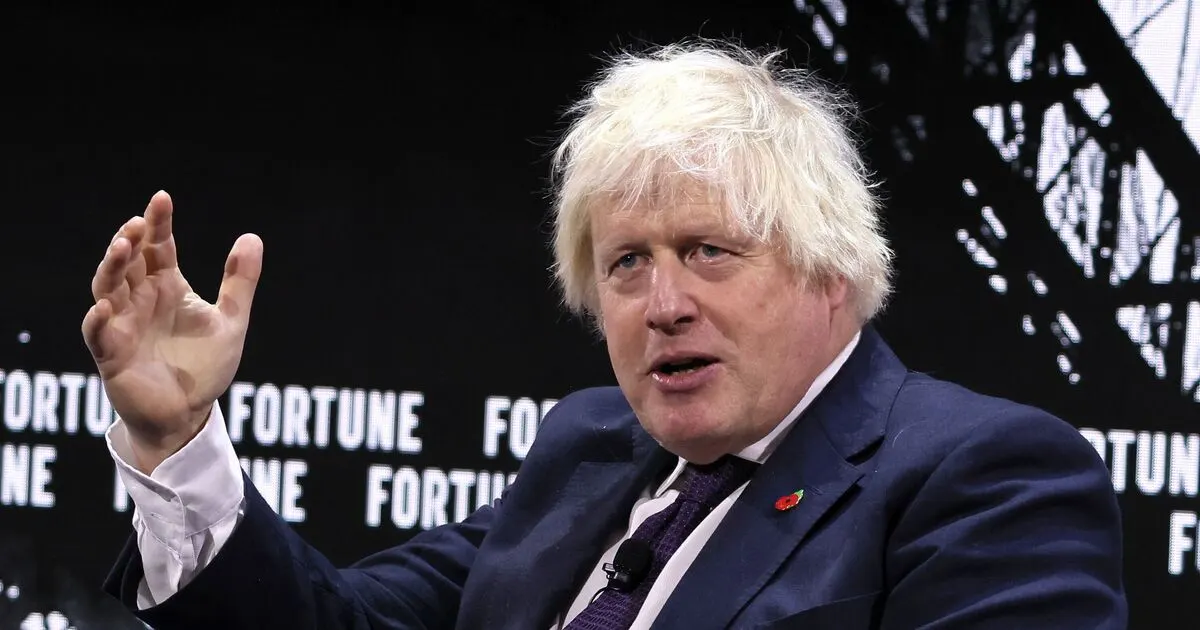
Andy Burnham has criticised Boris Johnson’s handling of Brexit, arguing that the deal left Britain worse off and damaged relations with European allies. The exchange comes as the Government considers closer ties with the EU, reopening debate over how far the UK should seek to improve its post-Brexit relationship.
Burnham says he is negotiating improvements to the current deal and will set out further options alongside a 10-year plan later this year. The Prime Minister says the next phase will be outlined next month and that voters will decide on any major changes. Labour’s manifesto commitments rule out rejoining the single market or customs union, or restoring freedom of movement, before the next general election; the 2016 referendum result was 51.9% to leave and 48.1% to remain.
In short
- Burnham says the Brexit deal harmed Britain and its ties with Europe.
- The Government is negotiating changes and considering future options.
- Labour’s current red lines rule out major forms of EU integration.
Steelman: both sides, in good faith
The strongest fair case each way — we don't pick a winner.
The case for
Critics of the Brexit deal argue that leaving the EU on its terms has created avoidable trade barriers, weakened economic prospects and strained relationships with close European allies. They say the UK should seek practical improvements to reduce those costs and rebuild cooperation, while respecting current commitments against rejoining the single market or customs union and restoring freedom of movement.
The case against
Defenders of the deal argue that it delivered the central promise of the 2016 vote: leaving the EU and gaining greater national control over laws, borders and policy. They may accept that closer cooperation could be useful, but caution that changing the settlement risks reopening divisive arguments and that any major shift should follow clear public consent.
Explained simply
Brexit was the UK’s decision to leave the European Union, a political and economic partnership of European countries. In the 2016 referendum, 51.9% voted to leave and 48.1% to remain; the UK formally left the EU in 2020.
The UK and EU agreed rules for trade and other parts of their relationship after the departure. The deal affects how easily businesses can trade across borders and how the UK works with European countries, while the UK no longer takes part in EU arrangements such as the single market and customs union.
Debate continues over whether closer ties would bring practical benefits and what changes voters would support. Labour has said it would not rejoin the single market or customs union, or restore freedom of movement, before the next general election.