World news and discussion on TalkFuse.
US production of vital Patriot missiles held up by one fabric factory in wine country: ‘They’re French… They can’t be bullied’
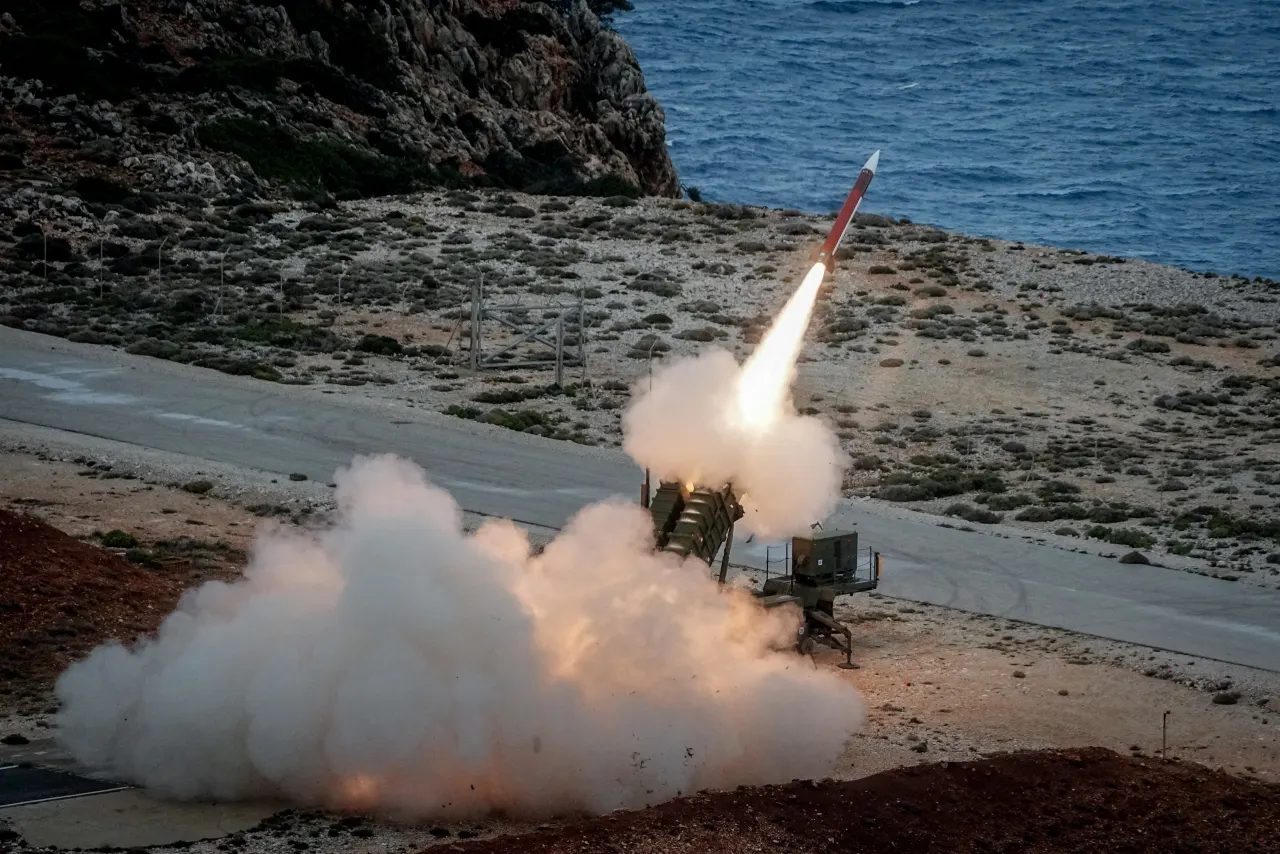
A shortage of specialised carbonised rayon from a single factory in France is delaying production of US Patriot missile interceptors, exposing how dependence on a small number of overseas suppliers can constrain weapons output. The bottleneck is difficult to resolve quickly because the material must meet demanding specifications and alternative suppliers would need extensive testing and approval.
The rayon thread is made in the Czech Republic, carbonised by ArianeGroup near Bordeaux, then processed by Kansas-based Park Aerospace for use in advanced interceptors. Each interceptor costs about $4 million and takes roughly two years to make. Park has offered ArianeGroup $5 million towards a new production line due by 2028, and a further $25 million advance for a proposed US factory expected around 2030. The Pentagon has signed seven-year production agreements with Lockheed Martin and L3Harris and is contacting lower-tier suppliers as it seeks to address wider supply-chain bottlenecks.
In short
- A French rayon factory is holding up a key Patriot missile component.
- Each interceptor costs about $4 million and takes roughly two years to make.
- New production capacity is planned, but may take until 2028 or 2030.
Steelman: both sides, in good faith
The strongest fair case each way — we don't pick a winner.
The case for
The shortage shows why relying on a single overseas source for a defence-critical material can leave the US vulnerable to delays, especially when demand for Patriot interceptors is urgent. Building domestic capacity or qualifying additional suppliers could improve resilience and give the Pentagon more control over production, even if that requires substantial investment and time.
The case against
The material has demanding specifications, and any replacement source must be extensively tested and approved; switching suppliers quickly could therefore create quality or reliability risks. The French factory’s specialised capability cannot be expanded overnight, while new capacity in the US is years away, so long-term contracts and support for existing production may be the most practical route to securing supply.
Explained simply
Patriot is a US-made air defence system that fires interceptors to destroy incoming missiles. Lockheed Martin and L3Harris make the interceptors under long-term agreements with the Pentagon, the US defence department.
Some interceptor parts rely on specialised carbonised rayon, a heat-resistant material made through several stages. Thread produced in the Czech Republic is carbonised at a factory near Bordeaux, France, then processed by Park Aerospace in Kansas for use in the interceptors.
Because the material has to meet strict specifications, switching to another source takes time and testing. The supply chain shows how a single specialist factory can affect weapons production, while new production facilities take years to build.
Americas Basketball Europe Sport World