Politics news and discussion on TalkFuse.
Israeli armour enters central Gaza beyond ceasefire boundary
Developed over time first seen 1 day ago
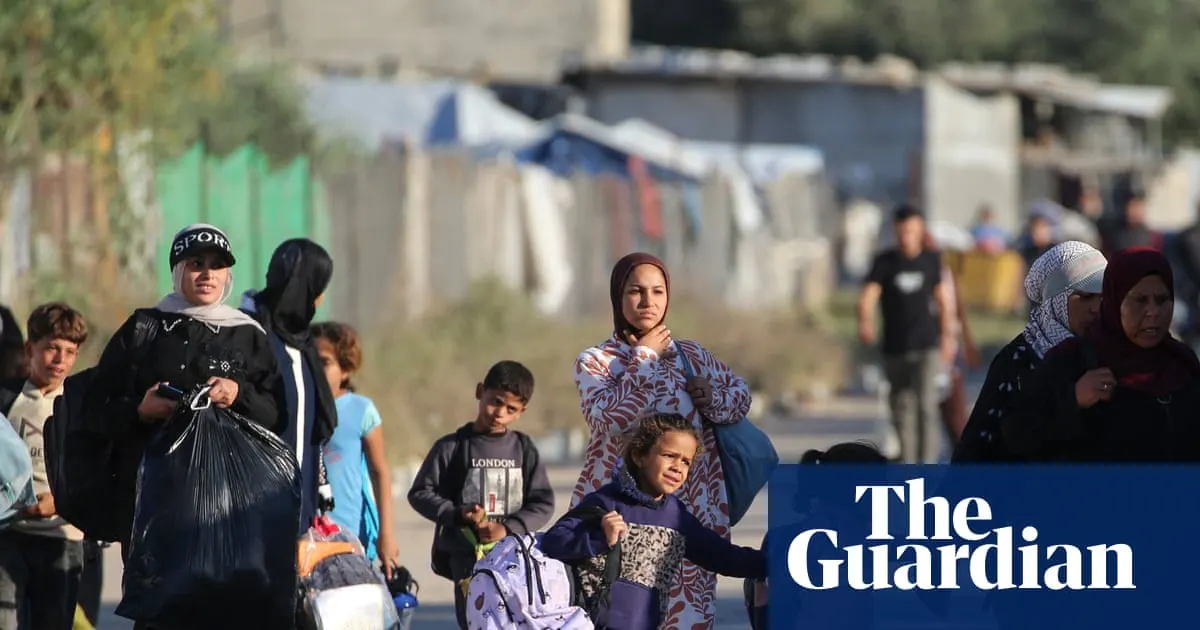
Israeli tanks crossed the ceasefire’s “yellow line” into Hamas-controlled central Gaza for the first reported ground operation across the boundary since the truce began. The 24-hour raid forced displaced Palestinians to leave their tents and added to concerns that the fragile ceasefire could collapse.
The Israeli military said it targeted Hamas infrastructure and a suspected tunnel near al-Bureij and Nuseirat, then declared the operation complete; it said Palestinians could return to the affected areas. Medics reported one person killed in an airstrike near the raid, and two others killed in separate incidents on Wednesday. Gaza health authorities say at least 1,600 Palestinians have been killed since the ceasefire began, while Israel says five of its soldiers have died.
- Sources
- 2
- Outlets
- 2
- Left · Centre · Right
- 1 · 1 · 0
In short
- Israeli armour crossed the ceasefire boundary into central Gaza.
- The 24-hour operation targeted what Israel called Hamas infrastructure.
- The incursion deepens concerns over the fragile truce.
How this story developed
- 11 hours ago Further details placed the tanks on the Salah al-Din road and included reports of shelling, gunfire and airstrikes near Nuseirat; the US-backed Board of Peace warned that both sides were failing to meet their commitments.
- 17 hours ago Hamas called the incursion a ceasefire violation, while the Israeli military said it had targeted Hamas infrastructure and completed the operation.
- 17 hours ago Israeli tanks crossed the ceasefire’s “yellow line” into Hamas-controlled central Gaza in the first reported ground operation across the boundary since the truce began, prompting displaced Palestinians to leave their tents.
Where outlets differ
Left-leaning outlets 1
Only here: armour, enters, central, ceasefire, boundary
Centre outlets 1
Only here: military, launches, rare, ground, operation
Every side used: israeli, gaza, beyond
Headline columns compared word for word; nothing in them is AI-written.
Steelman: both sides, in good faith
The strongest fair case each way — we don't pick a winner.
The case for
Israel may argue that acting against Hamas infrastructure is necessary to prevent renewed attacks and protect its forces and civilians, particularly if it believes the group is using the area to regroup or prepare threats. On this view, a ceasefire must be enforced against armed activity as well as observed in formal terms, though any operation should be limited and avoid harm to civilians.
The case against
Palestinians and critics of Israel may argue that crossing the agreed boundary undermines the ceasefire and exposes displaced people to renewed danger, especially given the reported deaths and flight from tent shelters. They may contend that security concerns do not justify unilateral military action beyond the line, which risks escalating violence and weakening the truce both sides depend on.
Explained simply
Gaza is a small, densely populated Palestinian territory. Hamas, an armed Palestinian group that has governed Gaza since 2007, is at war with Israel, which says its military operations aim to stop attacks and dismantle Hamas’s military capacity. Civilians have been displaced repeatedly during the conflict.
The ceasefire agreed in October 2025 set out a “yellow line” separating areas under Israeli military control from the rest of Gaza. The truce is intended to limit fighting, but disagreements over military activity and security make it fragile. Its stability matters to people in Gaza, who need safety and access to food, shelter and medical care, and to efforts to prevent the conflict from widening.
Coverage · 2 sources
Bias meters
From 2 rated sources.
Government Middle East Politics World
Read the full article at the source →
Originally published by The Guardian as “Israeli tanks cross ‘yellow line’ boundary into Hamas-controlled central Gaza”.