World news and discussion on TalkFuse.
Badenoch says Burnham’s EU reset would cost Britain money and control
Developed over time first seen 2 days ago
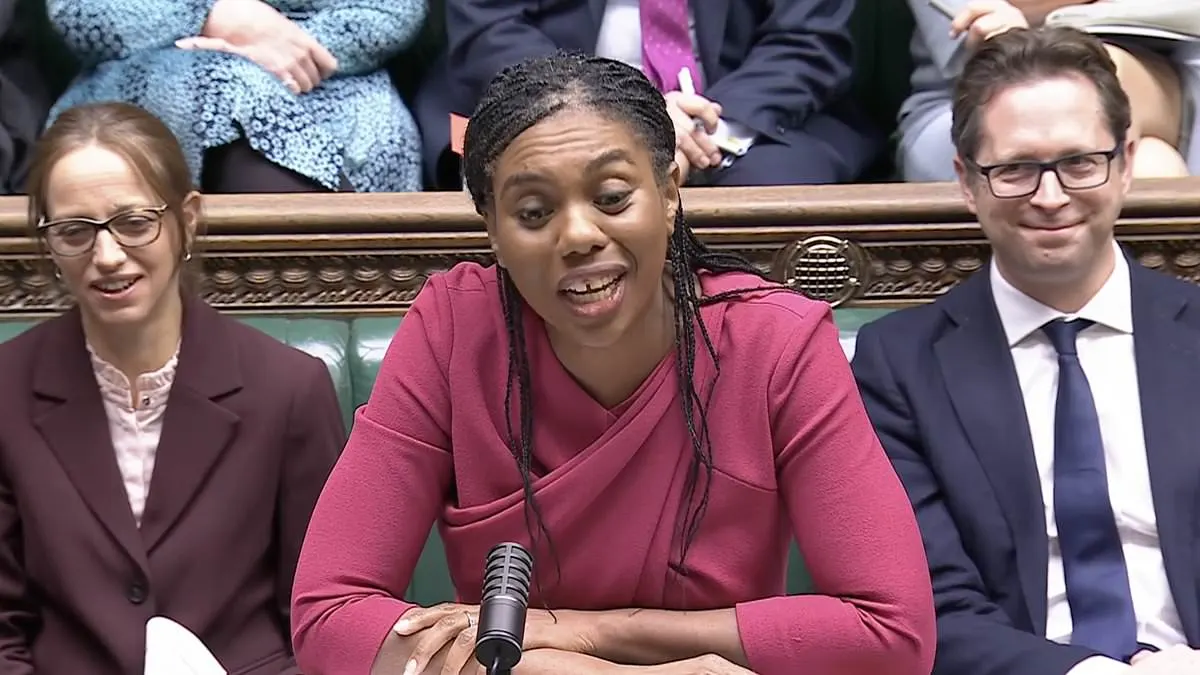
Conservative leader Kemi Badenoch has criticised Prime Minister Andy Burnham’s planned agreement with the EU, calling it the “worst of both worlds” for Brexit. She argues it would leave Britain outside the bloc while paying into it, following EU rules with little say and accepting more immigration; Burnham says the reset is intended to improve trade and growth.
The agreement, due to be signed in Brussels, focuses on food and farming: Britain would align with EU rules in return for the removal of some paperwork on food exports. It also includes a proposed scheme for up to 100,000 EU nationals a year to live and work in the UK for up to three years, alongside payments for EU infrastructure and access to its electricity market. The government says the deal could add £12 billion to GDP over a decade, while Badenoch warns energy bills could rise by £230 a year.
- Sources
- 2
- Outlets
- 1
- Left · Centre · Right
- 0 · 0 · 2
In short
- Badenoch says the EU deal risks leaving Britain a rule-taker.
- The proposed youth scheme could admit up to 100,000 EU nationals annually.
- The government forecasts a £12 billion GDP boost over ten years.
How this story developed
- 2 days ago Conservative leader Kemi Badenoch has criticised Prime Minister Andy Burnham’s planned agreement with the EU, calling it the “worst of both worlds” for Brexit.
Full account
Conservative leader Kemi Badenoch has accused Prime Minister Andy Burnham of preparing an EU reset that would cost Britain money and weaken its control over laws and migration. In a Daily Mail article published ahead of a planned Brussels summit, she argues that the proposed arrangements would leave the UK outside the EU while requiring it to follow some EU rules and make payments connected to cooperation with the bloc. Burnham’s government presents the reset as a way to ease trade and improve economic prospects. The reports provided do not include a detailed response from Burnham to Badenoch’s criticisms.
The most developed proposal concerns food and farming. Under the agreement described in the reports, the UK would align with EU rules in that sector in exchange for fewer checks and less paperwork on food exports to the bloc. Badenoch accepts that exporters could benefit, but says the rules would also affect producers that do not sell to the EU. She argues that Britain would have limited influence over future EU decisions and raises concerns about the role of EU courts. The precise legal arrangements and the extent of any new obligations are not established in the material provided.
The Daily Mail news report also describes a proposed youth experience scheme under which up to 100,000 EU nationals a year could live and work in the UK for as long as three years. It says Burnham may reduce tuition fees for EU students and agree to payments linked to access to the EU electricity market. Badenoch warns that these measures could increase migration, public spending and household energy bills. Those costs are presented in the report as estimates or warnings, rather than confirmed outcomes; the account does not set out the full terms of the proposed agreements.
Badenoch’s argument extends beyond this week’s negotiations. She says Britain has failed to make enough use of the opportunities created by Brexit and acknowledges mistakes by Conservative governments, but disputes Burnham’s apparent view that closer EU ties would substantially improve growth. She also challenges his mandate to consider a broader change in Britain’s relationship with the bloc. The news report says Burnham is expected to outline options next month, potentially including rejoining the EU. Whether that becomes government policy, and whether any such step would be put to a referendum, remains unclear from the supplied accounts.
Where outlets differ
From the full account, which is AI-written from the sources:
Source 1 is a Daily Mail news report. It concentrates on the expected agreements and their possible costs, while relaying Badenoch’s objections. Source 2 is Badenoch’s own Daily Mail column. It gives more space to her economic argument, her acknowledgement of past Conservative mistakes and her claim that the reset would compromise control over money, laws and borders. Both sources present her position; neither supplies a detailed response from Burnham.
Steelman: both sides, in good faith
The strongest fair case each way — we don't pick a winner.
The case for
Supporters argue that closer alignment on food and farming rules could remove costly export paperwork, helping businesses trade more easily with the EU and supporting growth. They see contributions towards shared infrastructure and electricity access, alongside a time-limited work scheme, as practical costs that could bring wider economic benefits; the government estimates the agreement could add £12 billion to GDP over a decade.
The case against
Critics argue that aligning with EU rules while remaining outside the bloc could leave Britain subject to decisions in which it has little influence, while requiring payments without the benefits of membership. They question whether reduced export paperwork would justify those costs and point to the proposed work scheme and potential energy-bill increases as further risks to national control and household finances.
Explained simply
Brexit is the UK’s departure from the European Union, the political and economic bloc that sets shared rules for its members. Since leaving, Britain has traded with the EU under new arrangements, including checks and paperwork on some goods.
Prime Minister Andy Burnham’s proposed reset would bring UK food and farming rules closer to the EU’s in exchange for reducing some export paperwork. The wider proposals also cover temporary work and residence for EU nationals, payments towards EU infrastructure and access to the bloc’s electricity market.
The government says closer cooperation could support trade and economic growth, while Conservative leader Kemi Badenoch argues it could mean costs and less UK influence over rules. The debate reflects a broader question about how Britain should balance easier trade with the EU against the independence it gained by leaving.
Coverage · 2 sources
Bias meters
From 2 rated sources.
Read the full article at the source →
Originally published by Daily Mail as “PM’s Brexit surrender is the ‘worst of both worlds’, Kemi says: Tory leader warns deal will hand the EU control of our money, laws and borders”.